The Delhi High Court dismissed a Regular Second Appeal challenging the appellant-defendant’s claim of ownership over a suit property, affirming that the defendant’s unequivocal denial of tenancy constituted a renunciation triggering forfeiture under Section 111(g) of the Transfer of Property Act, 1882. Consequently, the bar under Section 50 of the Delhi Rent Control Act did not apply, and the plaintiff-respondent was entitled to possession and mandatory injunction for return of title documents upon payment of Rs. 1 lakh as security.
Background & Facts
The Dispute
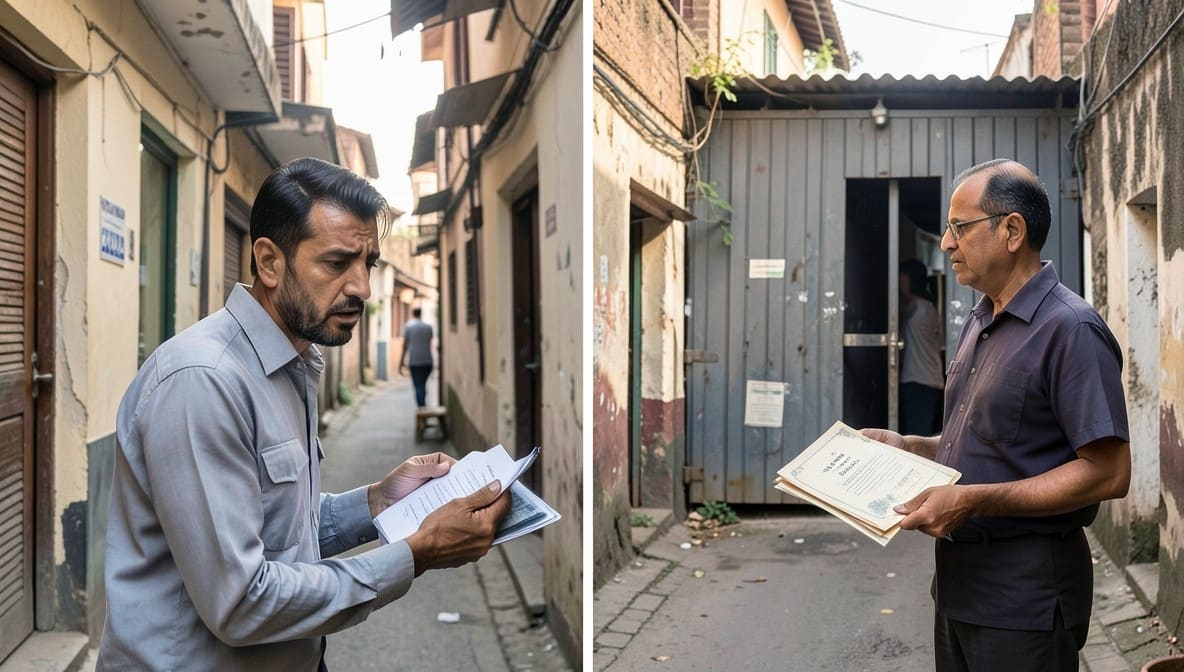
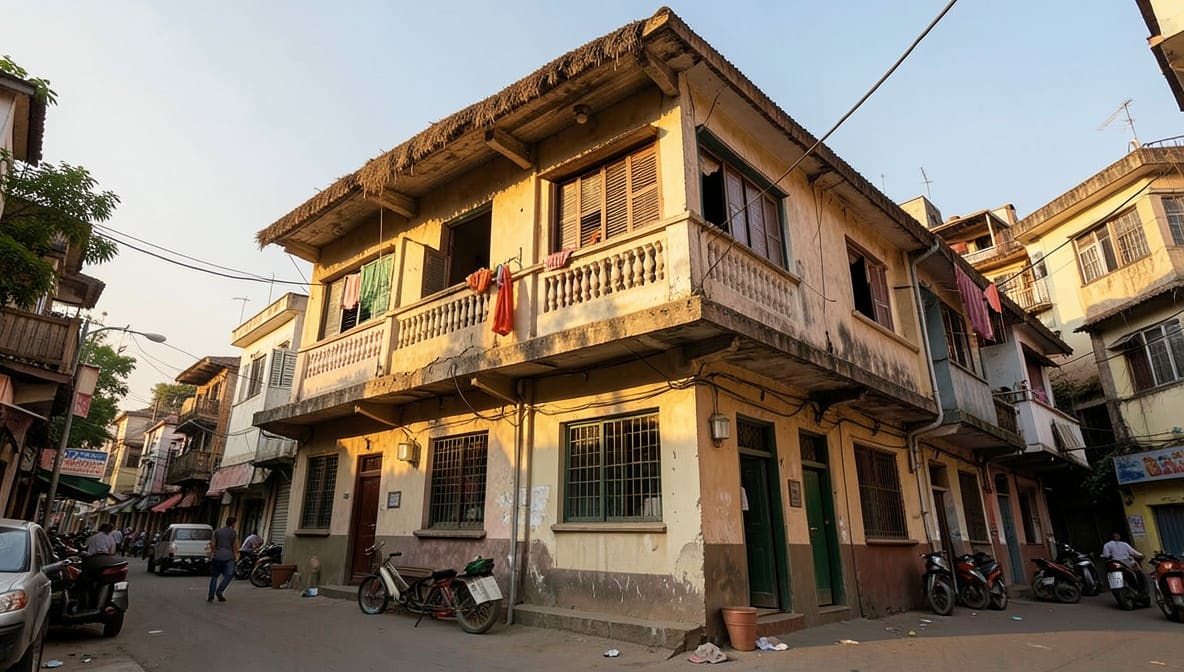
The dispute arose from an arrangement dated 23.12.2003 whereby the plaintiff, Smt. Geeta (allottee of Flat No. E-223, MCD Flats, Nand Nagri, Delhi), handed over the original allotment letter of the suit property to the defendant, Ramesh, as security for an interest-free loan of Rs. 1 lakh. The defendant was to vacate the premises and return the documents upon repayment of the loan. The plaintiff alleged that the defendant remained in possession after June 2004 without paying rent and refused to vacate despite a legal notice dated 19.03.2013.
Key Facts
- The plaintiff was allotted the suit property vide allotment letter dated 09.08.2003.
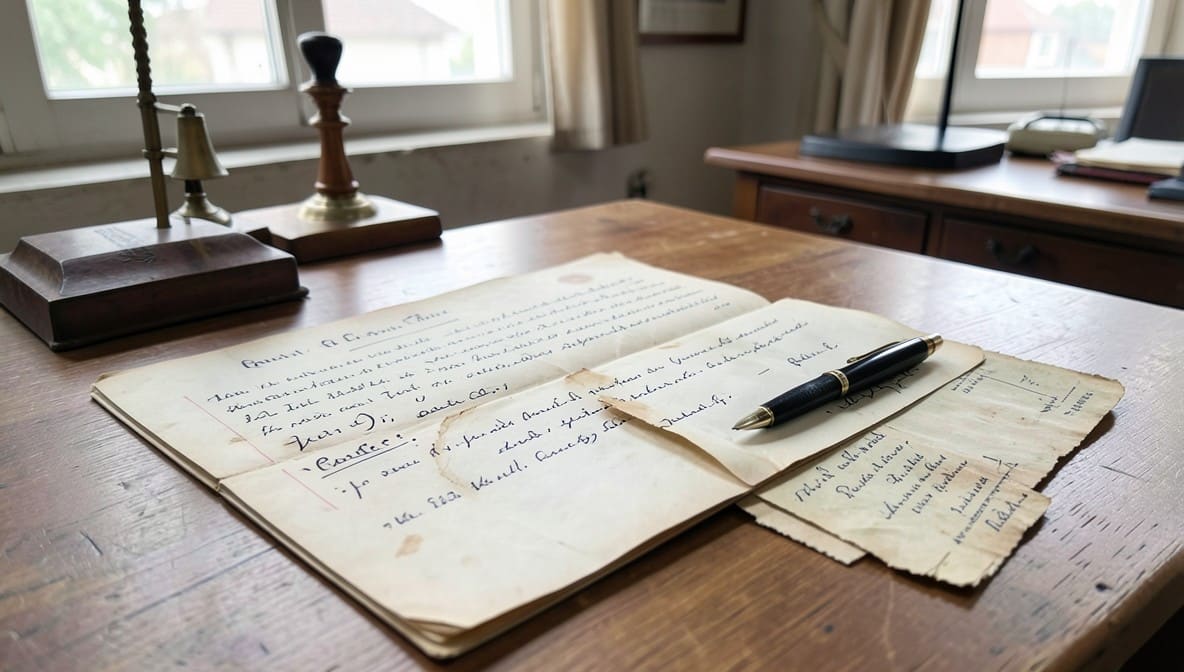
- On 23.12.2003, the parties executed an Ikarnama (Ex.DW1/5) recording a loan of Rs. 1 lakh from the defendant to the plaintiff, with the original allotment letter handed over as security.
- The defendant paid rent of Rs. 500 per month till June 2004, after which he stopped paying rent.
- The plaintiff served a legal notice dated 19.03.2013 demanding vacatur and repayment; the defendant replied on 21.03.2013.
- The plaintiff filed Civil Suit No. 104353/2013 in 2013 seeking possession, permanent and mandatory injunction, mesne profits and user charges.
- The Civil Judge, in judgment dated 15.04.2017, dismissed the suit, holding the transaction illegal and the defendant not a tenant.
- The plaintiff filed RCA No. 95/2017 challenging the dismissal; the Additional District Judge, in judgment dated 02.11.2018, set aside the Civil Judge’s order and decreed possession in favour of the plaintiff, directing the defendant to return the original documents on payment of Rs. 1 lakh.
- The defendant (original plaintiff in the suit) filed the present Regular Second Appeal (RSA 69/2019) aggrieved by the judgment dated 02.11.2018.
- The High Court reserved judgment on 10.08.2026 and pronounced it on 06.10.2026.
Procedural History
- 09.08.2003: Allotment letter issued to plaintiff.
- 23.12.2003: Ikarnama executed; loan of Rs. 1 lakh and handover of original documents.
- June 2004: Rent payments ceased.
- 19.03.2013: Legal notice served by plaintiff.
- 21.03.2013: Defendant’s reply to notice.
- 2013: Civil Suit No. 104353/2013 filed.
- 15.04.2017: Civil Judge’s judgment dismissing suit.
- Date unknown (post-15.04.2017): RCA No. 95/2017 filed by plaintiff.
- 02.11.2018: Additional District Judge’s judgment allowing RCA and decreeing possession.
- Date unknown (post-02.11.2018): Regular Second Appeal (RSA 69/2019) filed by defendant.
- 10.08.2026: Judgment reserved.
- 06.10.2026: Judgment pronounced.
Relief Sought
The appellant (defendant) sought to set aside the judgment and decree dated 02.11.2018, restore the Civil Judge’s order dated 15.04.2017, and thereby defeat the plaintiff’s claim for possession and mandatory injunction.
The Legal Issue
The central question was whether the defendant’s unequivocal denial of a landlord-tenant relationship constituted a renunciation triggering forfeiture of tenancy under Section 111(g) of the Transfer of Property Act, 1882, thereby defeating the bar under Section 50 of the Delhi Rent Control Act, and whether the alleged transaction, characterised as a loan rather than a sale, attracted the prohibition of Section 23 of the Indian Contract Act, 1872 so as to render the agreement void and unenforceable.
Arguments Presented
For the Appellant (Defendant/Ramesh)
The appellant contended that the learned First Appellate Court (Additional District Judge) failed to appreciate the true nature and effect of Ex.DW1/5, which records a loan of Rs. 1 lakh and the handing over of original allotment documents as security, not a sale. He argued that the plaintiff never established that he was inducted as a tenant at a monthly rent of Rs. 500, pointing to the absence of any rent agreement, rent receipts, or documentary evidence of a landlord-tenant relationship. Furthermore, he asserted that the court overlooked the applicability of Section 37A of the Slum Areas (Improvement and Clearance) Act, 1956 to the suit property. Most significantly, he maintained that the transaction was illegal and void ab initio under Section 23 of the Indian Contract Act, 1872, and that, despite a decade of inaction, the plaintiff was now attempting to recover the property illegally due to increased market value.
For the Respondent (Plaintiff/Geeta)
The respondent reiterated that she was the lawful allottee of the suit property, possessing the original allotment letter dated 09.08.2003. She asserted that the defendant was inducted as a tenant at Rs. 500 per month, paid rent till June 2004, and thereafter remained in possession without paying rent. She relied on the legal notice dated 19.03.2013 and the defendant’s reply thereto to show a demand for vacatur and repayment. The respondent argued that the Ikarnama merely evidenced a loan transaction, with no transfer of ownership or possession rights, and that the defendant’s claim of ownership based on that document was untenable. She further contended that the defendant’s categorical denial of tenancy amounted to a clear and unequivocal renunciation, invoking the forfeiture principle under Section 111(g) TPA, and that the suit was not barred by Section 50 of the DRC Act because the tenancy had been forfeited.
The Court's Analysis
The Court began by framing the issues as outlined in the pleadings: (i) whether the suit was barred under Section 50 of the DRC Act; (ii) whether the defendant was the owner; (iii) - (v) the plaintiff’s entitlement to possession, permanent injunction, and mandatory injunction; and (vi) relief. It noted that the defendant’s case rested entirely on the Ikarnama (Ex.DW1/5), which the Court examined in detail.
Regarding the nature of the Ikarnama, the Court held: “On a perusal of the Ikarnama as reproduced above, it records that the Plaintiff had taken a loan of Rs. 1 lakh on 23.12.2003 and, as a security, had handed over the original documents of the property to the Defendant. It further provided that, upon repayment of the loan amount, the Defendant would return the original documents to the Plaintiff. In case of failure to repay the loan amount, the Defendant would have the right to recover the said amount from her moveable/immovable properties.” The Court emphasised that the document did not record any sale or transfer of ownership, nor did it create any vested right of ownership in favour of the defendant. Consequently, the allegation that the transaction was a sale in disguise was rejected.
Turning to the tenancy issue, the Court observed that the defendant had “categorically denied the relationship of landlord and tenant and has claimed an independent right in the suit property.” It then considered Section 111(g) of the Transfer of Property Act, 1882, which provides for determination of lease by forfeiture when the lessee renounces his character as such by setting up a title in a third person or by claiming title in himself. The Court cited Kundan Mal vs. Gurudutta (1989) 1 SCC 552 and Sheikh Miadhar vs. Rajani Kanta Roy (MANU/WB/0481/1909) to underscore that the renunciation must be clear, unequivocal, and anterior to the issuance of a notice determining the lease.
The Court found that the defendant’s pleadings amounted to “clear and unequivocal renunciation of his character as a tenant.” It held: “Such a plea amounts to clear and unequivocal renunciation of his character as a tenant. Thus, there is overwhelming evidence on record to show that the Defendant has completely repudiated the existence of the landlord-tenant relationship and has asserted an independent right in the suit property.” Accordingly, the defendant’s status as tenant stood forfeited, and the relationship of landlord and tenant ceased to exist. As a result, the bar under Section 50 of the Delhi Rent Control Act was not attracted, because that provision applies only to existing tenancies.
On the allegation of illegality under Section 23 of the Indian Contract Act, 1872, the Court noted that the plaintiff was not seeking to enforce the Ikarnama but was relying on her allotment letter to recover possession. Since the Ikarnama did not constitute a sale or transfer of ownership, the mere assertion of illegality could not confer any right upon the defendant to retain possession. The Court concluded that Section 23 had no application to the relief sought.
Finally, the Court addressed the appellate challenge, holding that no substantial question of law arose in the second appeal, as the dispute essentially concerned appreciation of evidence, which is not re-examined in a regular second appeal under Section 100 CPC. The appeal was therefore dismissed.
The Verdict
The appeal filed by Ramesh (defendant/appellant) was dismissed. Consequently, the judgment and decree of the Additional District Judge dated 02.11.2018 was upheld, confirming that the plaintiff-respondent, Smt. Geeta, is entitled to possession of the suit property and to a mandatory injunction for the return of the original allotment documents upon payment of Rs. 1 lakh to the defendant. No additional monetary relief, interest, or costs were specified in the judgment.
What This Means For Similar Cases
Renunciation of Tenancy Triggers Forfeiture
The judgment reinforces that a tenant’s clear and unequivocal denial of the landlord-tenant relationship, coupled with a claim of independent title, operates as a renunciation that forfeits the tenancy under Section 111(g) TPA. Practitioners must therefore scrutinise pleadings for such renunciation when assessing the applicability of statutory bars like Section 50 of the DRC Act.
Loan Agreements Do Not Confer Ownership Rights
The Ikarnama, though creating a security interest, was deemed a mere loan document. Courts will look beyond the form of the instrument to its substance; absent any clause transferring ownership or possession, such documents cannot found a claim of title. This limits the scope of defences based on informal loan-security arrangements in property disputes.
Burden on Claimant to Prove Tenancy Persists
Where a defendant denies tenancy, the plaintiff bears the burden of proving the existence of a landlord-tenant relationship through rent agreements, receipts, or other documentary evidence. The judgment underscores that oral assertions alone, especially when contradicted by documentary proof of a loan, are insufficient to sustain a claim of ongoing tenancy.
Second Appeal Limited to Questions of Law
The Court reiterated that a regular second appeal under Section 100 CPC does not entertain re-appreciation of evidence. Parties seeking to challenge factual findings must do so at the first appellate stage; otherwise, the appeal is liable to dismissal on the ground that no substantial question of law is involved.