The Madhya Pradesh High Court has reaffirmed the mandatory nature of territorial jurisdiction under Section 16 CPC in suits concerning immovable property, rejecting the notion that execution of an agreement at a distant location can confer jurisdiction. This ruling clarifies a recurring point of confusion in property litigation and reinforces the principle that the situs of land governs forum selection.
Background & Facts
The Dispute
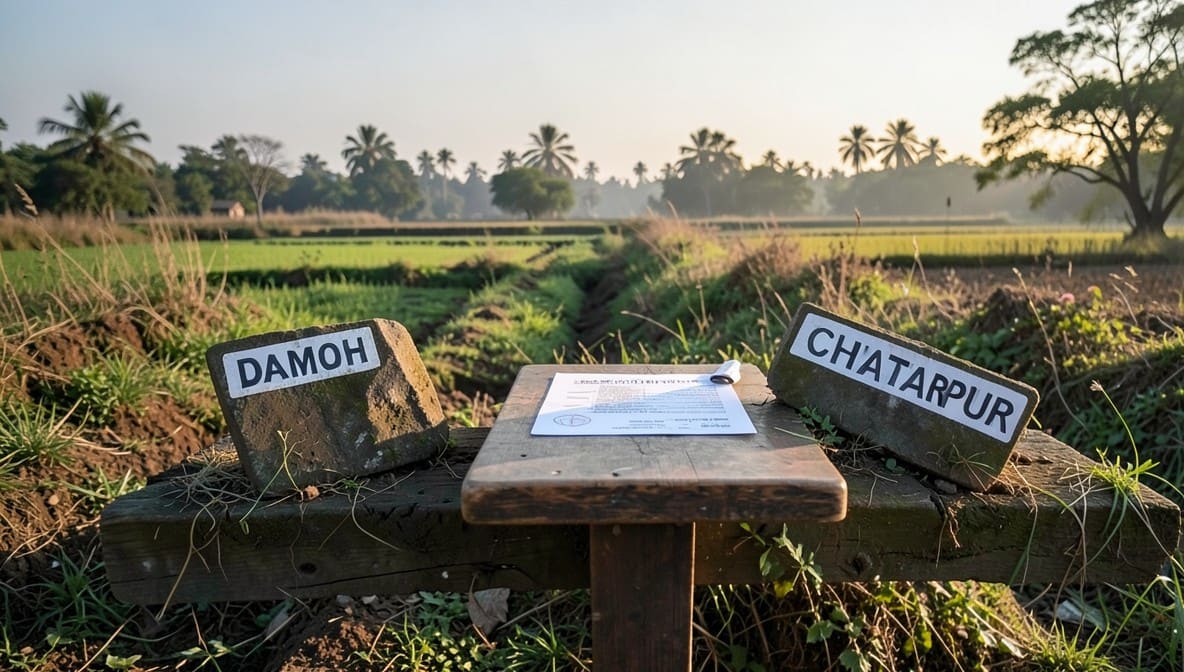
The petitioner, Smt. Jakiya Bai and others, filed a suit against M/s Coral Promoters and Developers and others seeking mandatory and permanent injunctions relating to a joint venture agreement for the development of land situated in Tehsil Goharganj, District Raisen, Madhya Pradesh. The suit was filed at the District Court in Bhopal, despite the property being located approximately 120 kilometers away in Raisen district. The respondents did not appear before the High Court despite service by publication.
Key Facts
- The joint venture agreement dated 02.09.2010 and the mutual agreement dated 02.07.2011 pertained to the development of land described by Khasra Nos. 194/7/1/1 and 195/2/2, totaling 10.00 acres, located in Gram Simrayee, Tehsil Obedullaganj, District Raisen
- The plaintiffs alleged breach of the agreements by the defendants, including unauthorized sale of plots and renaming of the project from "Coral City" to "Ocean Coral City"
- The suit sought: (A) restraint on sale of plots; (B) enforcement of agreement clauses; (C) termination of collaboration with Ocean Coral City and restoration of project name; (D) costs; and (E) any other relief
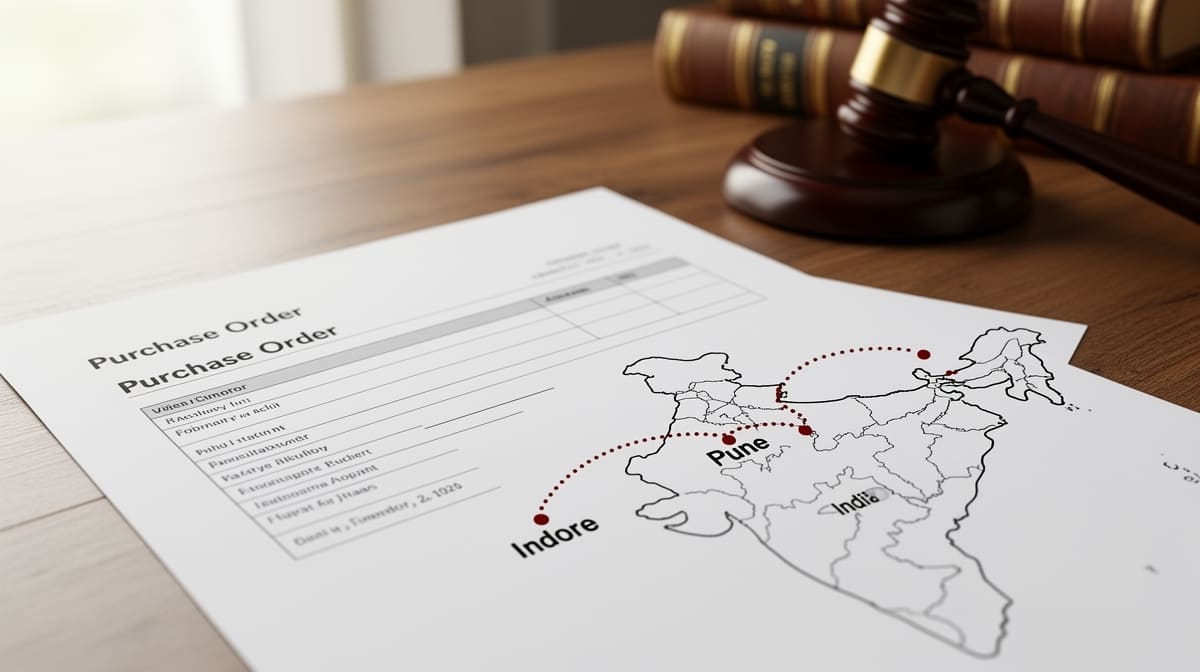
- The agreement was allegedly executed in Bhopal, which the trial court relied upon to assert jurisdiction
Procedural History
- 02.09.2010: Joint Venture Agreement executed between parties
- 02.07.2011: Mutual Agreement executed
- Date unspecified (prior to 24.10.2024): Suit filed in District Court, Bhopal
- 24.10.2024: Trial Court rejected application under Order 7 Rule 11 CPC, holding that execution of agreement in Bhopal created part cause of action
- 16.04.2026: Civil Revision No. 1242 of 2024 filed before the High Court at Jabalpur challenging the trial court’s jurisdictional finding
Relief Sought
The petitioner sought quashing of the trial court’s order dated 24.10.2024 and return of the plaint for presentation before the competent court in District Raisen, where the immovable property is situated.
The Legal Issue
The central question was whether a court in Bhopal could exercise territorial jurisdiction over a suit seeking injunctions and specific performance relating to immovable property located in District Raisen, merely because the joint venture agreement was signed in Bhopal.
Arguments Presented
For the Petitioner
The petitioner’s counsel argued that Section 16(d) CPC mandates that suits for determination of rights or interests in immovable property must be instituted only in the court within whose jurisdiction the property is situated. Execution of the agreement in Bhopal, even if true, could not override the mandatory territorial jurisdiction prescribed by Section 16 CPC. Reliance was placed on the plain language of the provision and binding precedents holding that jurisdiction cannot be conferred by party agreement or execution site.
For the Respondent
The respondents did not appear before the High Court, and no counter-arguments were presented.
The Court's Analysis
The Court examined Section 16 CPC in detail, particularly clause (d), which governs suits for determination of any right or interest in immovable property. It emphasized that the provision is mandatory and not directory, and that exceptions under the proviso apply only when relief can be obtained through personal obedience of the defendant - a condition not satisfied here, as the reliefs sought required direct intervention concerning land in Raisen.
"Section 16 CPC is a mandatory provision and the jurisdiction of the court is determined by the situs of the immovable property and not by the place of execution of the agreement."
The Court noted that the plaint sought injunctive relief directly affecting land in Raisen, including restraint on sale, enforcement of contractual obligations tied to the land, and restoration of project name - all of which are inseparable from the physical location of the property. The trial court’s reliance on the agreement’s execution in Bhopal as creating a part cause of action was legally unsustainable. The Court distinguished between cause of action arising from breach of contract (which may be local) and jurisdiction over immovable property (which is fixed by location). The latter is governed exclusively by Section 16 CPC.
The Verdict
The revision was allowed. The trial court’s order dated 24.10.2024 was set aside. The plaint was ordered to be returned to the plaintiffs under Order 7 Rule 10 CPC for presentation before the appropriate court in District Raisen, where the immovable property is situated. No costs were awarded.
What This Means For Similar Cases
Jurisdiction Cannot Be Contractually Created
- Practitioners must verify the physical location of the immovable property before filing any suit involving rights, title, or injunctions over land
- Agreements specifying jurisdiction or venue clauses are void to the extent they conflict with Section 16 CPC
- Filing in a convenient forum based on execution site or defendant’s residence will result in dismissal or return of plaint
Strict Adherence to Section 16 CPC Required
- All suits for partition, foreclosure, specific performance, or injunction concerning land must be filed where the property is located
- Even if multiple causes of action arise elsewhere, the core subject matter - the land - dictates jurisdiction
- Courts must reject applications under Order 7 Rule 11 CPC only if jurisdiction is clearly established under Section 16; otherwise, plaint must be returned
Procedural Safeguard for Defendants
- Defendants in property disputes can successfully challenge jurisdiction at the earliest stage using Order 7 Rule 11 CPC
- This judgment reinforces that territorial jurisdiction is a substantive bar, not a technicality
- Legal notices and pre-litigation correspondence should include jurisdictional assessment to avoid procedural setbacks