Orissa High Court judgments

62 Orissa High Court judgments explained in plain English: what was decided, the law applied and why it matters. Page 3 of 3.

Section 304A IPC | Gross Negligence by Unqualified Practitioner Administering Injections Constitutes Criminal Liability : Orissa HC
Case Law Analysis
|Orissa High Court

Section 304A IPC | Gross Negligence by Unqualified Practitioner Administering Injections Constitutes Criminal Liability : Orissa HC

The Orissa High Court affirmed that administering medical injections without any recognized qualification, resulting in death, amounts to criminal negligence under Section 304A IPC. This ruling clarifies that quackery causing fatal outcomes cannot be treated as mere civil misconduct, reinforcing accountability in unregulated medical practice across rural India.

Section 3-H(4) NH Act | Arbitrary Withdrawal of Land Compensation Reference Violates Natural Justice: Orissa HC
Case Law Analysis
|Orissa High Court

Section 3-H(4) NH Act | Arbitrary Withdrawal of Land Compensation Reference Violates Natural Justice: Orissa HC

Orissa High Court rules that withdrawal of a land compensation reference under Section 3-H(4) of the National Highways Act, 1956, without adjudication on merits, is illegal. The Court directed restoration of the case, emphasizing that statutory references cannot be bypassed by administrative action, upholding principles of natural justice for landowners.

Dying Declaration Under Section 302 IPC | Sole Reliance Without Medical Certification or Corroboration Valid : Orissa HC
Case Law Analysis
|Orissa High Court

Dying Declaration Under Section 302 IPC | Sole Reliance Without Medical Certification or Corroboration Valid : Orissa HC

Orissa High Court rules that a dying declaration can be the sole basis for conviction under Section 302 IPC even without medical certification of fitness or corroborative evidence, provided the declaration is found reliable. This reinforces the evidentiary value of dying declarations in homicide cases, impacting prosecution strategies and trial standards.

Section 4 Probation of Offenders Act | Age, Delay, and Clean Record Justify Probation Despite Conviction for Outraging Modesty : Orissa HC
Case Law Analysis
|Orissa High Court

Section 4 Probation of Offenders Act | Age, Delay, and Clean Record Justify Probation Despite Conviction for Outraging Modesty : Orissa HC

Orissa High Court grants probation to a 73-year-old convict under Section 4 of the Probation of Offenders Act, holding that prolonged trial delay, advanced age, and a previously clean record outweigh the gravity of the offence. The court mandates victim compensation as a condition, setting a precedent for judicial discretion in sentencing first-time elderly offenders.

Section 166 Motor Vehicles Act | Filial Consortium, Funeral Expenses & Loss of Estate Must Be Consolidated Into Single General Damages Award : Orissa HC
Case Law Analysis
|Orissa High Court

Section 166 Motor Vehicles Act | Filial Consortium, Funeral Expenses & Loss of Estate Must Be Consolidated Into Single General Damages Award : Orissa HC

Orissa High Court mandates that compensation for filial consortium, funeral expenses, and loss of estate in motor accident claims involving minors must be awarded as a single consolidated sum, rejecting fragmented parental awards. The ruling recalibrates compensation to ₹6,31,000 with a 10% uplift under Pranay Sethi guidelines, setting a precedent for uniform damages calculation in fatal accident claims.

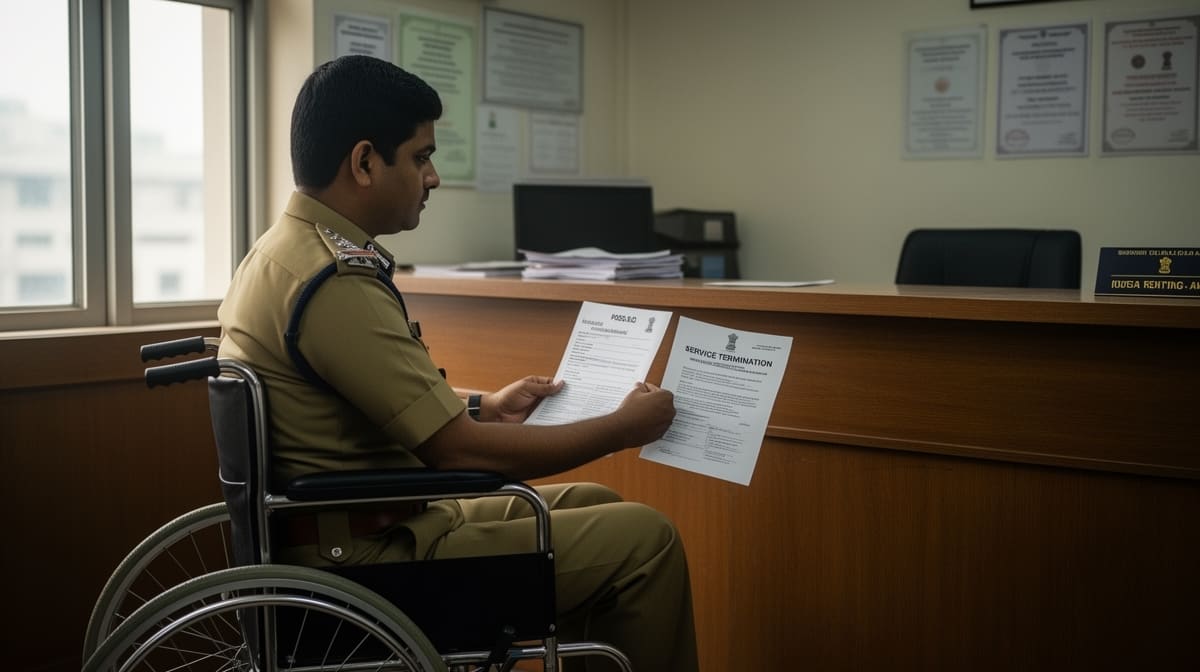
Section 168 Motor Vehicles Act | 90% Physical Disability ≠ 90% Loss of Earning Capacity: Orissa HC Recalibrates Compensation for Salaried Employees
Case Law Analysis
|Orissa High Court

Section 168 Motor Vehicles Act | 90% Physical Disability ≠ 90% Loss of Earning Capacity: Orissa HC Recalibrates Compensation for Salaried Employees

Orissa High Court rules that permanent disability percentage does not mechanically translate to loss of earning capacity. For salaried employees terminated due to accident-induced medical unfitness, compensation must reflect 100% loss of future earnings, not just disability percentage. The judgment refines Motor Vehicles Act compensation methodology, impacting personal injury claims and tort law calculations.