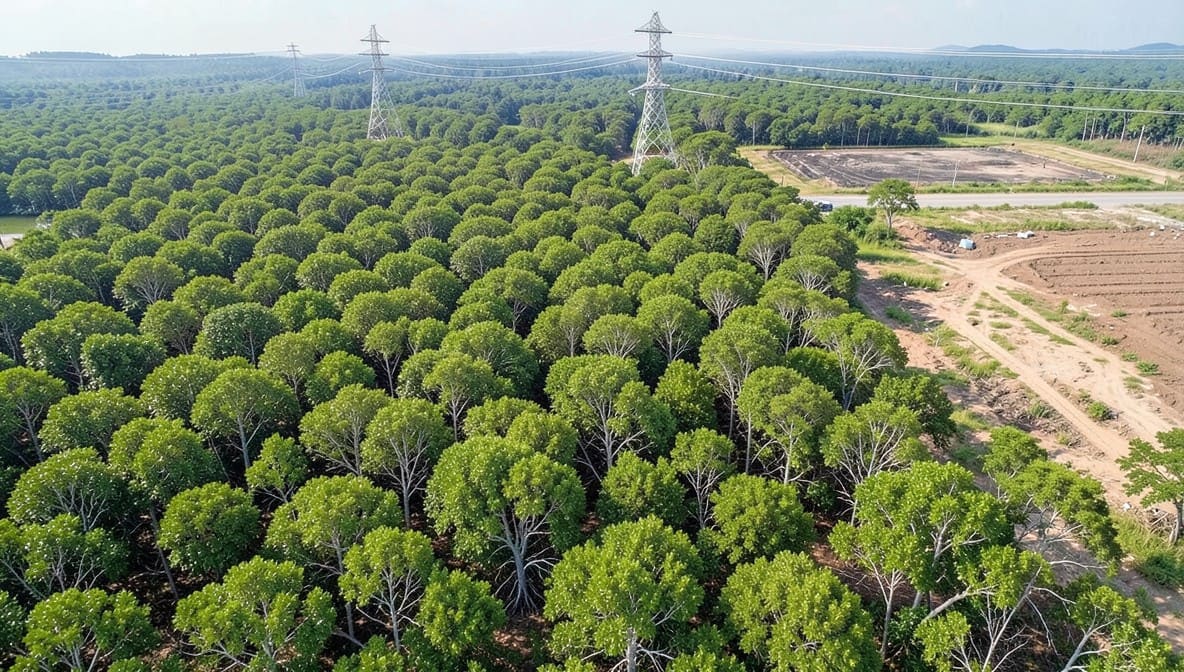
The Bombay High Court has granted conditional permission to Maharashtra State Electricity Transmission Company Ltd. (MSETCL) to divert 94.6802 hectares of forest land for the construction of a 132 KV double circuit transmission line from Dahanu to Suryanagar and Kavdas substations. The Court imposed stringent conditions including compensatory afforestation, annual compliance reports for a decade, and strict monitoring to ensure ecological balance and compliance with environmental laws.
Background & Facts
The Genesis of the Project
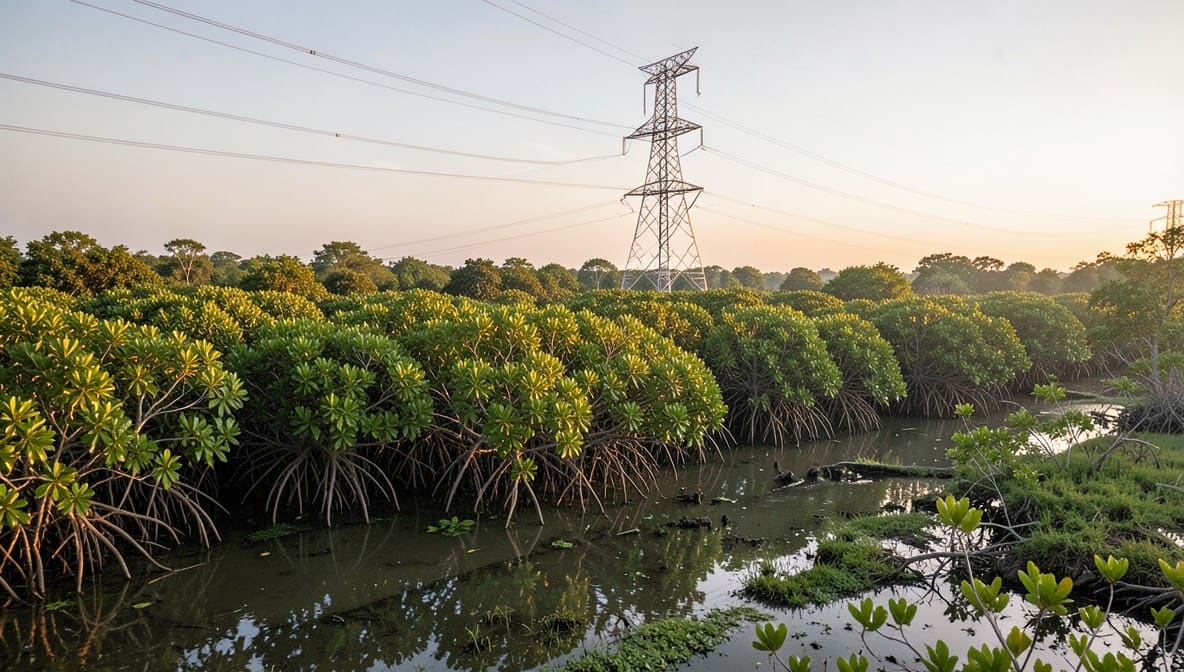
The petitioner, Maharashtra State Electricity Transmission Company Ltd. (MSETCL), sought permission to construct a 132 KV double circuit (D/C) transmission line spanning approximately 80 kilometers in Thane and Palghar districts. The project is part of the Mumbai Metropolitan Region Development Authority's (MMRDA) infrastructure development and involves the diversion of forest land for non-forest purposes. The transmission line is intended to connect Dahanu Substation to Suryanagar and Kavdas Substations, facilitating power supply to the region.
Key Facts
-
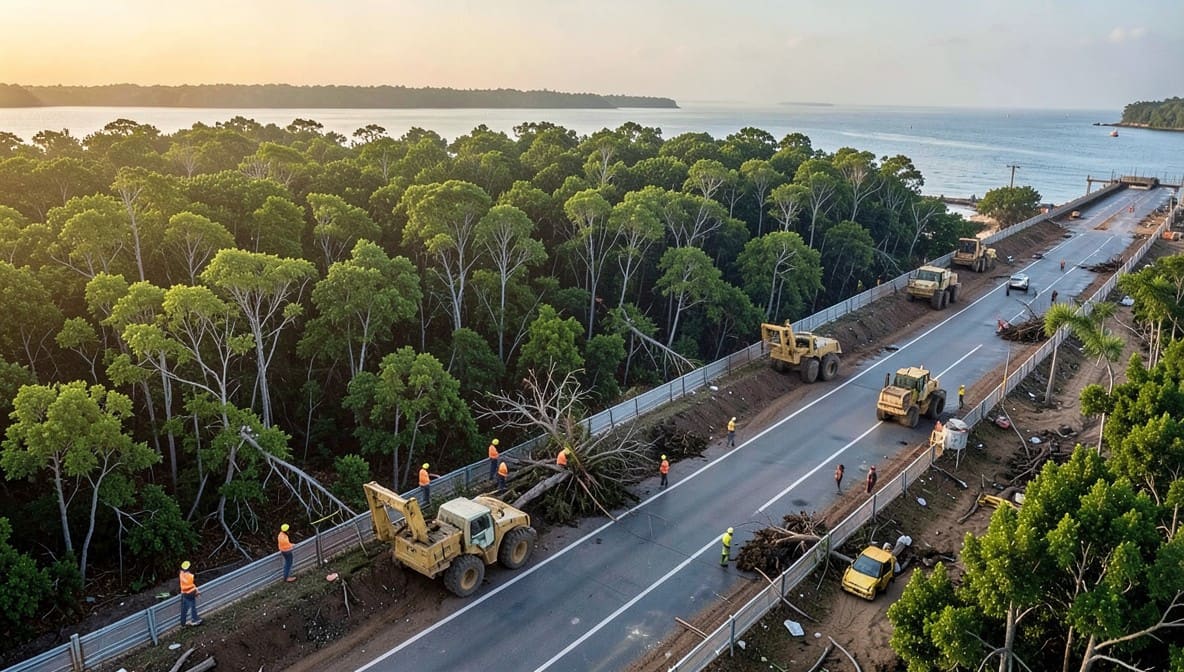
The project requires diversion of 94.6802 hectares of forest land, including 8.2188 hectares of mangrove forest.
-
The petitioner has obtained all statutory permissions, including Stage-I and Stage-II clearances from the Ministry of Environment, Forests and Climate Change (MoEFCC), Government of India, and clearance from the Maharashtra Coastal Zone Management Authority (MCZMA) under the Coastal Zone Regulations, 2019.
-
The petitioner has deposited a total of Rs. 30,80,61,242/- in the Compensatory Afforestation Fund Management and Planning Authority (CAMPA) account on 11th May, 2023, covering costs for compensatory afforestation, net present value, and additional ecological measures.
-
The breakdown of the deposit includes:
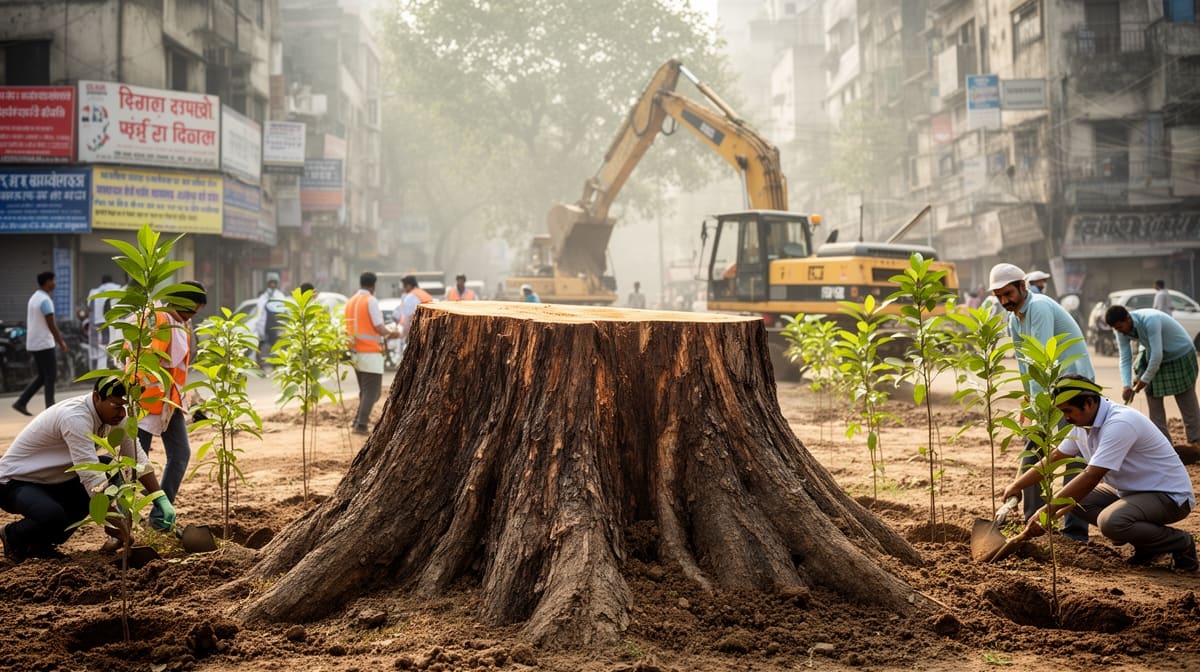
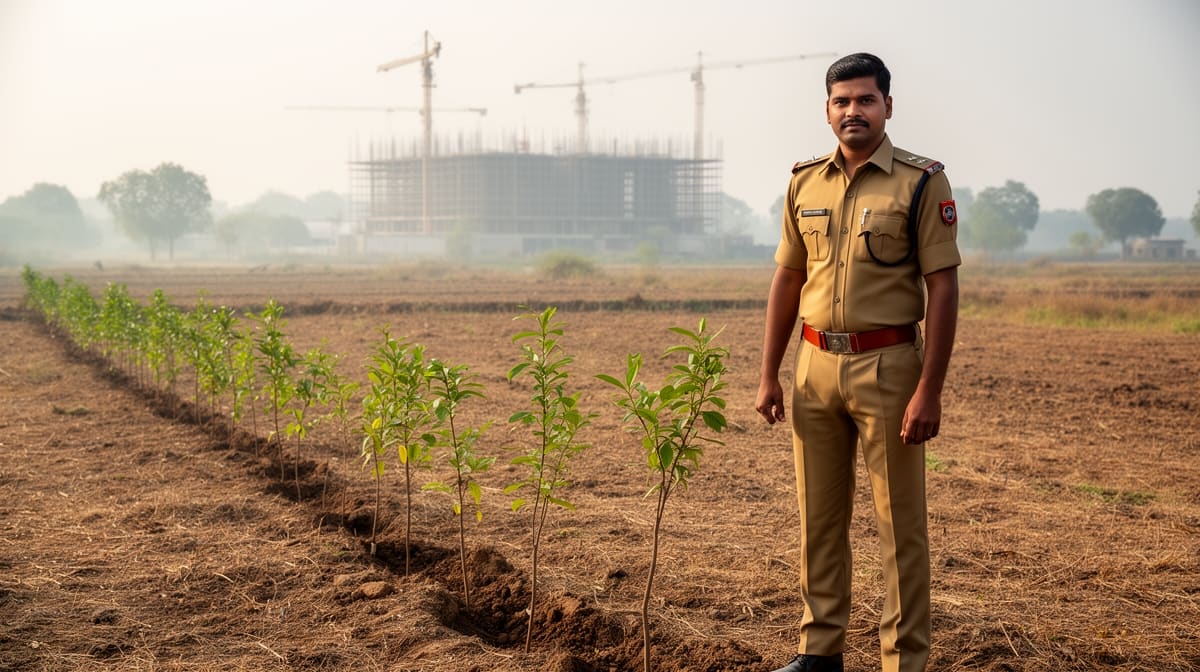
- Rs. 15,36,91,473/- for compensatory afforestation over 190.9486 hectares of degraded forest area.
- Rs. 8,04,884/- for additional compensatory afforestation over 1 hectare of degraded forest area.
- Rs. 13,60,24,203/- as Net Present Value (NPV).
- Rs. 60,81,724/- for raising dwarf species (medicinal plants) under the transmission line.
- Rs. 75,57,893/- for raising 25 water bodies in the compensatory afforestation area.
- Rs. 39,01,065/- for survey, demarcation, and erecting concrete pillars.
-
The petitioner has also deposited Rs. 3,66,20,686/- with the Mangrove Foundation for compensatory mangrove plantation, channelling, fencing, and protection for 10 years, as directed by the Additional Principal Chief Conservator of Forests, Mangrove Cell.
-
Site inspections conducted by the Deputy Conservator of Forests (Territorial), Dahanu, on 3rd June, 2021, and Jawhar, on 28th June, 2021, confirmed that no live mangrove trees exist in the affected area.
Procedural History
- 17th September 2018: The Bombay High Court, in Bombay Environmental Group and another v. The State of Maharashtra and others (PIL No. 87 of 2006), laid down guidelines for construction activities within 50 meters of mangroves, necessitating prior court permission.
- 6th February 2026: Respondent No.5 (Additional Principal Chief Conservator of Forests, Mangrove Cell) filed an affidavit detailing the compensatory afforestation and mangrove plantation requirements.
- 23rd December 2025: The Mangrove Division, North Konkan, communicated the requirement for compensatory mangrove plantation on 25 hectares (three times the affected mangrove area) and directed the petitioner to deposit the requisite amount.
- 22nd January 2026: The Mangrove Foundation identified 25 hectares of degraded land at village Dativare, Palghar, for mangrove afforestation and directed the petitioner to deposit Rs. 3,66,20,686/-.
- 13th January 2026: The petitioner confirmed the deposit of Rs. 3,66,20,686/- with the Mangrove Foundation.
- 9th September 2025: The Bombay High Court, in Mumbai Metropolitan Region Development Authority v. Union of India & Ors. (Writ Petition No. 3727 of 2025), granted permission for a similar project and imposed strict conditions for compensatory afforestation and monitoring.
- 12th December 2025: The Court reiterated its concerns in Brihanmumbai Municipal Corporation v. Union of India & Others (Writ Petition No. 3790 of 2025).
- 21st July 2026: The present judgment was pronounced, granting permission subject to strict compliance with the conditions.
The Parties' Positions
For the Petitioner (MSETCL)
The petitioner argued that the project serves a public purpose and is essential for the region's infrastructure development. It submitted that all statutory permissions had been obtained and that the compensatory afforestation and mangrove plantation commitments had been fulfilled. The petitioner also assured the Court of strict compliance with all environmental conditions and offered to file annual status reports for monitoring.
For the Respondents (State and Environmental Authorities)
The respondents, including the State of Maharashtra, Union of India, Bombay Environmental Action Group, Maharashtra Coastal Zone Management Authority, and Mangrove Cell, did not oppose the petition. Instead, they supported the project subject to strict compliance with environmental laws and the conditions imposed by the Court. The affidavit of Respondent No.5 detailed the compensatory afforestation and mangrove plantation requirements and confirmed the petitioner's compliance with the same.
Relief Sought
The petitioner sought permission from the Court to undertake the construction of the transmission line, including the felling of 21,022 non-mangrove trees and 8.2188 hectares of mangrove forest, subject to the conditions laid down by the Court.
The Legal Issue
The central question was whether the petitioner was entitled to permission to divert 94.6802 hectares of forest land, including 8.2188 hectares of mangrove forest, for the construction of a 132 KV transmission line, subject to strict compliance with environmental laws and compensatory afforestation conditions.
Arguments Presented
For the Petitioner
- The petitioner relied on the public purpose served by the transmission line, which is essential for the region's infrastructure development.
- It submitted that all statutory permissions, including clearances from MoEFCC and MCZMA, had been obtained.
- The petitioner highlighted the deposit of Rs. 30,80,61,242/- in the CAMPA account and Rs. 3,66,20,686/- with the Mangrove Foundation for compensatory afforestation and mangrove plantation.
- It assured the Court of strict compliance with all environmental conditions and offered to file annual status reports for monitoring.
For the Respondents
- The respondents did not oppose the petition but emphasized the need for strict compliance with environmental laws and the conditions imposed by the Court.
- Respondent No.5, in its affidavit, detailed the compensatory afforestation and mangrove plantation requirements and confirmed the petitioner's compliance with the same.
- The respondents relied on the Court's previous judgments, including Mumbai Metropolitan Region Development Authority v. Union of India & Ors. (Writ Petition No. 3727 of 2025) and Brihanmumbai Municipal Corporation v. Union of India & Others (Writ Petition No. 3790 of 2025), which imposed strict conditions for compensatory afforestation and monitoring.
The Court's Analysis
The Court examined the petitioner's submissions, the affidavit of Respondent No.5, and the statutory framework governing forest land diversion and compensatory afforestation. The Court noted that the project serves a public purpose and is an infrastructure project essential for the region's development.
The Court acknowledged the statutory permissions obtained by the petitioner, including clearances from MoEFCC and MCZMA, and the deposit of Rs. 30,80,61,242/- in the CAMPA account and Rs. 3,66,20,686/- with the Mangrove Foundation for compensatory afforestation and mangrove plantation.
The Court also noted the site inspections conducted by the Deputy Conservator of Forests, which confirmed that no live mangrove trees exist in the affected area. This finding was crucial in determining the necessity of compensatory mangrove plantation.
The Court relied on its previous judgments, including Mumbai Metropolitan Region Development Authority v. Union of India & Ors. (Writ Petition No. 3727 of 2025) and Brihanmumbai Municipal Corporation v. Union of India & Others (Writ Petition No. 3790 of 2025), which emphasized the need for strict compliance with environmental laws and compensatory afforestation conditions. The Court noted its serious concerns regarding the apathy displayed and the unsatisfactory state of mangrove replantation and compensatory afforestation in previous cases.
The Court observed:
"We are inclined to grant the relief sought only because of the categorical assurances furnished by the Petitioner and Respondent No.5 that both the mangrove plantation and the compensatory afforestation shall be undertaken in accordance with law and that the plantations shall thereafter be adequately protected, maintained and monitored so as to ensure their survival."
The Court directed the petitioner to file an Interim Application every year for a period of ten years, placing on record a comprehensive status-cum-audit report from Respondent No.5 regarding the implementation of the afforestation and mangrove plantation programme. The reports shall be supported by affidavits of the Managing Director of the Petitioner and Respondent No.5 and shall disclose the extent of plantation undertaken, survival and mortality rates, maintenance measures adopted, replacement plantations, if any, and any other relevant ecological parameters.
The Verdict
The Court allowed the writ petition in terms of prayer clause (a), granting permission to the petitioner to remove/fell mangrove trees of 8.2188 hectares out of 94.6802 hectares for non-forest purposes under the Forest (Conservation) Act, 1980. The permission is subject to strict compliance with the following conditions:
- The petitioner must file an Interim Application every year for a period of ten years, on or before 12th January, placing on record a comprehensive status-cum-audit report from Respondent No.5.
- The reports must be supported by affidavits of the Managing Director of the Petitioner and Respondent No.5, disclosing the extent of plantation undertaken, survival and mortality rates, maintenance measures adopted, replacement plantations, if any, and any other relevant ecological parameters.
- Each Interim Application shall stand automatically listed before the Court on the third Friday of January every year for monitoring compliance.
- Failure to file the Interim Application or the requisite compliance reports shall be treated as contempt of the Court.
- Depending upon the compliance disclosed in such reports, the Court may issue further directions to secure effective implementation of the compensatory measures.
The Court directed the petitioner to comply with all conditions imposed by MoEFCC and MCZMA/CRZ and to ensure the survival and maintenance of the compensatory afforestation and mangrove plantation.
What This Means For Similar Cases
Strict Compliance with Environmental Conditions Is Non-Negotiable
- Practitioners must ensure that all statutory permissions and clearances are obtained before seeking court permission for forest land diversion.
- The Court has emphasized that compensatory afforestation and mangrove plantation commitments must be strictly complied with, with annual monitoring for a decade.
- Failure to comply with the conditions may result in contempt proceedings and further directions from the Court.
Public Purpose Projects Require Robust Ecological Safeguards
- The Court has reiterated that public purpose projects, such as infrastructure development, must be balanced with robust ecological safeguards.
- The judgment underscores the importance of compensatory afforestation and mangrove plantation to mitigate the environmental impact of such projects.
Annual Monitoring Ensures Long-Term Compliance
- The Court has introduced a novel mechanism of annual monitoring through Interim Applications and status-cum-audit reports for a period of ten years.
- This ensures that compensatory afforestation and mangrove plantation commitments are not merely on paper but are implemented and maintained over the long term.
Transparency and Accountability Are Key
- The Court has directed the petitioner to file annual reports supported by affidavits, ensuring transparency and accountability in the implementation of compensatory measures.
- The reports must disclose critical ecological parameters, including survival and mortality rates, maintenance measures, and replacement plantations, if any.
Precedents Shape Future Permissions
- The Court has relied on its previous judgments, including Mumbai Metropolitan Region Development Authority v. Union of India & Ors. and Brihanmumbai Municipal Corporation v. Union of India & Others, to shape the conditions for granting permission.
- Practitioners must be aware of these precedents and ensure that their clients' projects comply with the conditions laid down in similar cases.