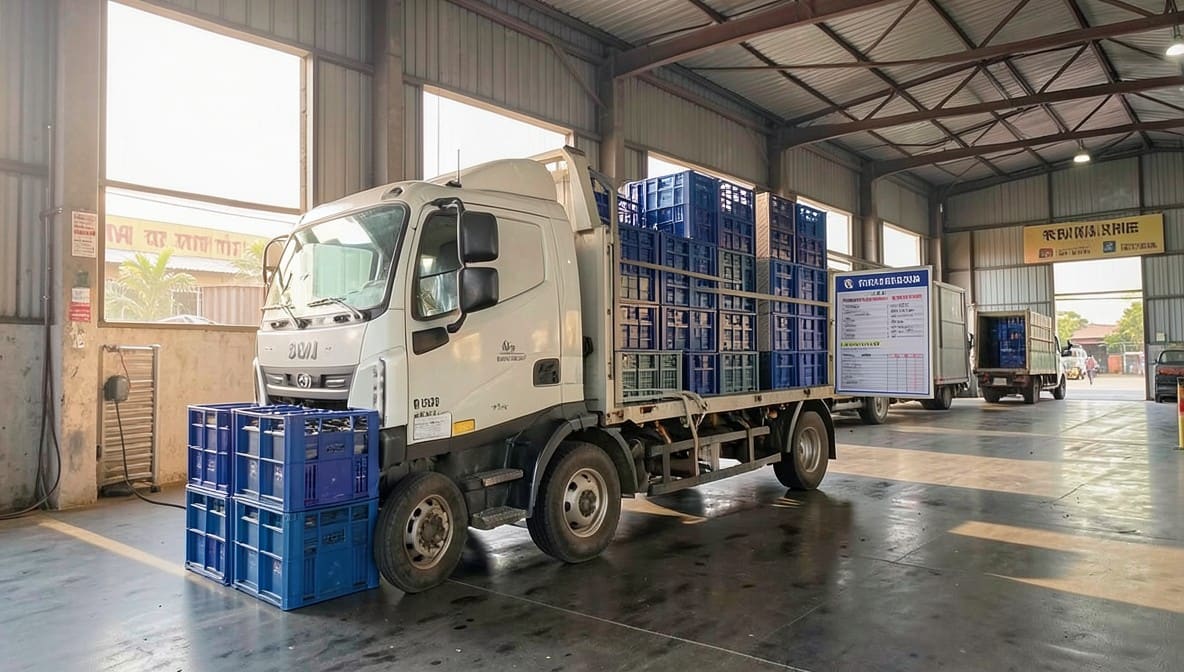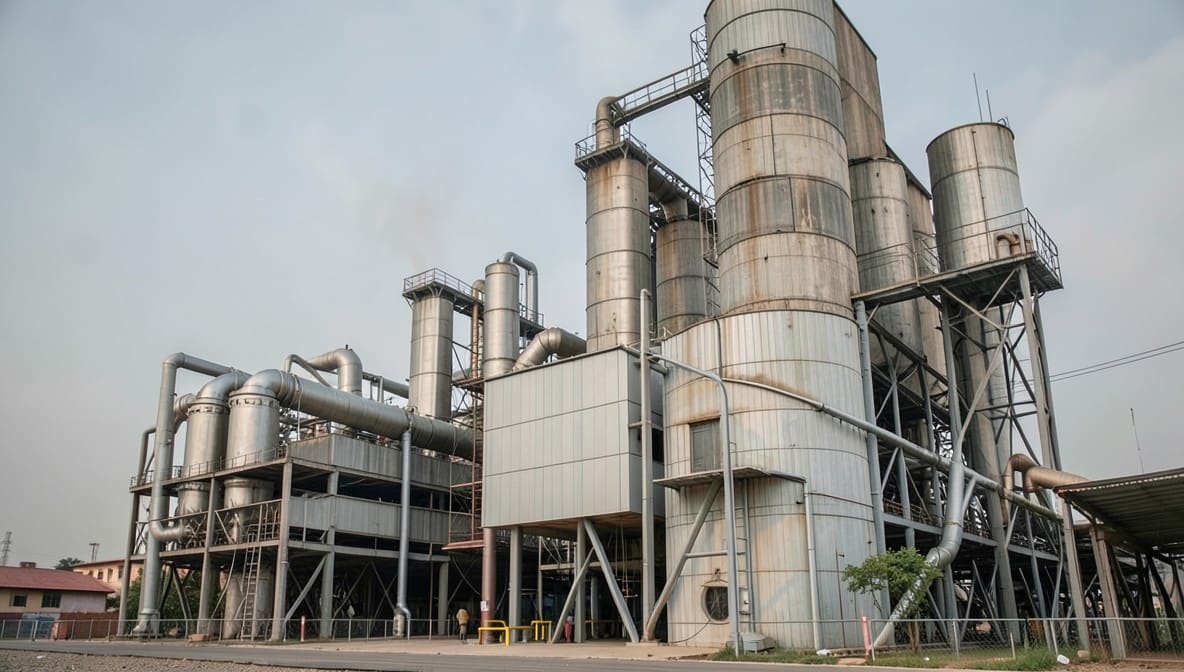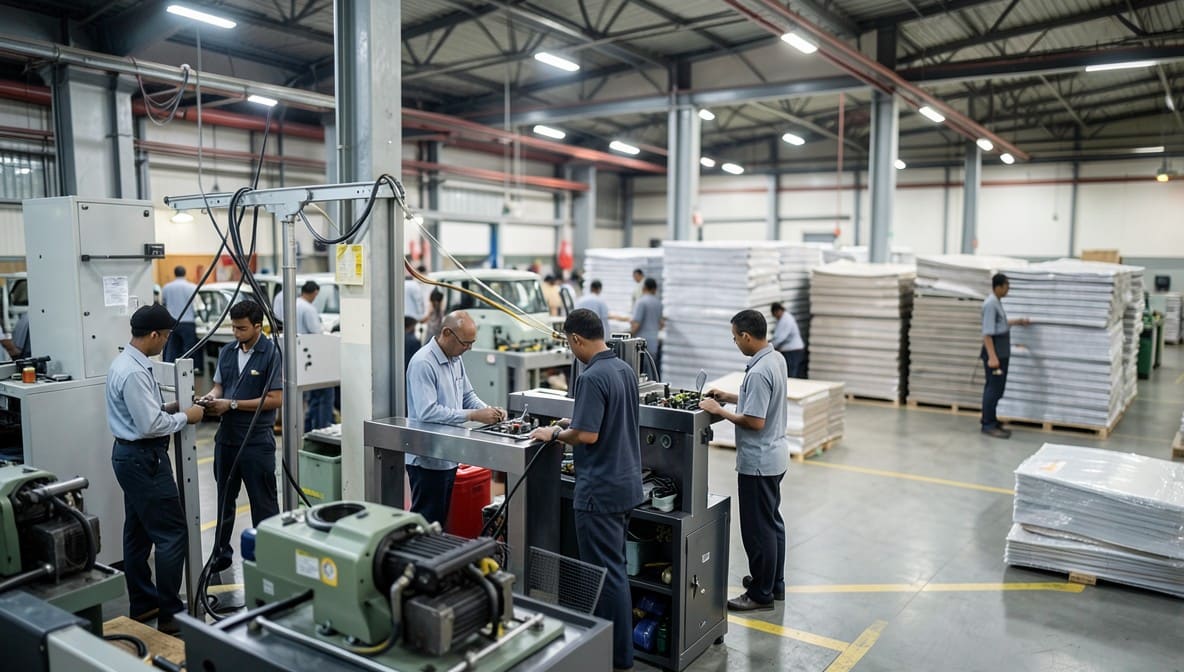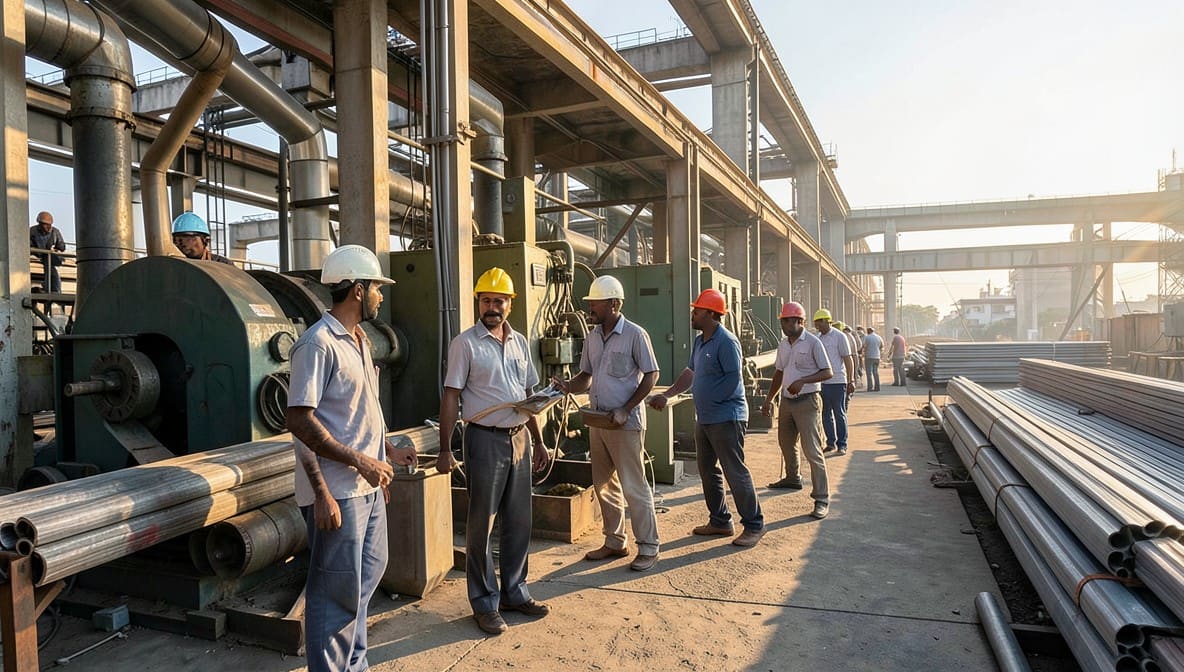
The Customs, Excise and Service Tax Appellate Tribunal (CESTAT), Kolkata, has clarified that the transfer of a manufacturing unit between related entities, even with delayed procedural compliance, does not invalidate the payment of excise duty on final goods where inputs are captively consumed. The Tribunal upheld the Commissioner (Appeals)'s finding that no revenue loss occurred, emphasizing substance over form in excise administration.
Background & Facts
The Dispute
The dispute arose from the Central Excise Department’s demand for duty on MS Ingots manufactured by M/s. Barak Alloy (Respondent No. 1) and subsequently used as inputs by its sister concern, M/s. Barak Ispat (P) Ltd. (Respondent No. 2), for manufacturing TMT Bars and other finished goods. The Department alleged that since Respondent No. 2 had not obtained fresh or amended Central Excise registration before commencing production, the captive consumption of MS Ingots constituted evasion of duty under the Central Excise Rules, 2002.
Key Facts
- Respondent No. 1 (Barak Alloy) manufactured MS Ingots (CET 72067070) at its unit in Silchar, Assam.
- Respondent No. 2 (Barak Ispat) was a major consumer of these MS Ingots for manufacturing TMT Bars and Miss Rolls.
- On 12.01.2015, Respondent No. 2 entered into a sale agreement to acquire the entire business unit of Respondent No. 1.
- On 13.01.2015, Central Excise officials conducted a surprise visit and observed ongoing production at Respondent No. 1’s premises, with no updated registration records.
- On 22.01.2015, Respondent No. 2 filed an application for amendment of its Central Excise registration via ACES portal to include the acquired unit.
- The Department did not process the amendment application until 05.10.2015.
- On 17.09.2015, a formal Deed of Sale was executed between the two entities, confirming the transfer of the manufacturing unit.
- Respondent No. 2 obtained the Central Excise Registration Certificate for the acquired unit on 05.10.2015.
- During the period 12.01.2015 to 05.10.2015, Respondent No. 2 continued production using MS Ingots from Respondent No. 1 and cleared finished goods while paying applicable excise duty.
- The Department issued Show Cause Notices (SCNs) on 28.02.2015 and 15.04.2015, alleging evasion of duty on captive consumption.
- The adjudicating authority confirmed demands of duty on MS Ingots used as inputs during the interim period.
Procedural History
- 12.01.2015: Sale agreement executed between Barak Alloy and Barak Ispat.
- 13.01.2015: Central Excise inspection conducted; production observed continuing at former unit.
- 22.01.2015: Application for registration amendment filed by Barak Ispat via ACES.
- 28.02.2015 & 15.04.2015: Show Cause Notices issued by Department.
- 30.08.2017: Commissioner (Appeals) passed Order-in-Appeal No. 30/SH/CE(A)/GHY/2017, setting aside duty demand.
- 15.05.2026: CESTAT Kolkata delivered final order dismissing Revenue’s appeals.
The Parties' Positions
For the Revenue (Appellant):
- Argued that Respondent No. 2 was not a registered manufacturer during 12.01.2015 to 05.10.2015.
- Contended that captive consumption of MS Ingots without valid registration constituted evasion under Rule 9(1) of the Central Excise Rules, 2002.
- Asserted that the Deed of Sale dated 17.09.2015 was retrospective and could not validate prior production.
- Claimed that the failure to obtain registration before production amounted to deliberate suppression.
For the Respondents:
- Submitted that the business transfer was genuine and communicated to the Department on 22.01.2015.
- Highlighted that all finished goods were cleared with payment of excise duty.
- Emphasized that delays in registration amendment were due to administrative bottlenecks, not malafide intent.
- Produced the Deed of Sale and registration certificate as proof of legitimate transfer.
- Argued that demanding duty on inputs already consumed in dutiable final goods amounted to double taxation.
Relief Sought
The Revenue sought to restore the confirmed duty demand against both respondents. The Respondents sought confirmation of the Commissioner (Appeals)'s order setting aside the demand and upholding the penalty imposed as final.
The Legal Issue
The central question was whether captive consumption of inputs manufactured by a transferred unit, prior to formal registration amendment, constitutes evasion of excise duty under the Central Excise Rules, 2002, when the final goods are cleared with full duty payment and the transfer is substantiated by documentary evidence.
Arguments Presented
For the Appellant
The Revenue relied on Rule 9(1) of the Central Excise Rules, 2002, which requires a manufacturer to obtain registration before commencing production. It argued that Notification No. 35/2001-N.T. mandates that any change in ownership or location must be reflected in registration before any manufacturing activity. The Revenue contended that the absence of registration during 12.01.2015 to 05.10.2015 rendered all production illegal, and duty on inputs became recoverable even if final goods were taxed. It cited Commissioner of Central Excise v. M/s. Surya Roshni Ltd. to argue that procedural compliance is mandatory and non-negotiable.
For the Respondent
The Respondents countered that Rule 25 of the Central Excise Rules, 2002, provides for penalty for procedural lapses, not automatic duty demand. They emphasized that the Department had received notice of the transfer on 22.01.2015 and that the Deed of Sale and registration certificate confirmed the legitimacy of the transaction. They relied on the principle that duty is levied on final goods, not on inputs used in their manufacture, provided the final product is dutiable and taxed. They cited Commissioner of Central Excise v. M/s. Jindal Stainless Ltd. to argue that revenue loss must be proven, not presumed.
The Court's Analysis
The Tribunal conducted a detailed review of the documentary evidence, including the Deed of Sale dated 17.09.2015, the registration amendment certificate dated 05.10.2015, and the application filed on 22.01.2015. It found no evidence of concealment or fraudulent intent. The Tribunal noted that the Department had not disputed that the final goods were cleared with payment of duty, nor had it shown any loss of revenue.
"The appellant No.2 has rightfully produced goods at the unit under the said agreement and cleared them under its invoices by paying appropriate duty on the said goods."
The Tribunal accepted the Commissioner (Appeals)'s reasoning that the delay in registration amendment was due to administrative processes beyond the control of the taxpayer, including cancellation of factory licenses, ground plan certifications, and settlement of prior dues. It held that such delays, while constituting a procedural violation under Rule 25(a), do not retroactively invalidate the payment of duty on final goods.
The Tribunal further observed that demanding duty on the MS Ingots - which were already consumed in the manufacture of dutiable goods cleared with full duty - amounted to double taxation, which is legally impermissible. The Tribunal emphasized that the object of excise law is to tax the final product, not to penalize the supply chain for administrative delays, especially where the end result is full compliance.
The Tribunal also noted that the Respondents had voluntarily paid penalties of Rs. 2,00,000 and Rs. 1,00,000 respectively, thereby accepting liability for procedural non-compliance. This rendered the Revenue’s appeal on duty demand redundant.
The Verdict
The Revenue’s appeals were dismissed. The Tribunal upheld the Commissioner (Appeals)'s order dated 30.08.2017, setting aside the duty demand on MS Ingots used for captive consumption. The penalties of Rs. 2,00,000 on M/s. Barak Alloy and Rs. 1,00,000 on M/s. Barak Ispat (P) Ltd. were confirmed and deemed paid. No further duty, interest, or penalty was imposed beyond the penalties already discharged.
What This Means For Similar Cases
Procedural Lapses Do Not Automatically Trigger Duty Demands
- Practitioners may now argue that delayed registration amendments under Rule 9(1) do not justify duty recovery on inputs if final goods are cleared with full duty.
- The burden shifts to the Department to prove actual revenue loss, not merely procedural non-compliance.
- Cases involving business transfers, mergers, or unit acquisitions must focus on demonstrating continuity of duty payment on final output.
Captive Consumption Is Not Evasion When Final Goods Are Taxed
- The principle of single-point taxation applies: duty on inputs used in dutiable final goods cannot be levied again.
- Taxpayers should maintain clear documentation of transfer agreements, production records, and duty payment proofs for final goods.
- Where registration amendment is pending, taxpayers should file representations with the Department to avoid adverse inferences.
Penalties Are the Appropriate Remedy for Procedural Non-Compliance
- Rule 25 of the Central Excise Rules, 2002, provides for penalties for procedural violations - not automatic duty recovery.
- Taxpayers should proactively pay penalties when liability is admitted, as this often ends litigation and prevents escalation to duty demands.
- The Tribunal’s acceptance of voluntary penalty payment as conclusive resolves the matter without reopening duty assessments.