The Telangana High Court has affirmed that prolonged inaction by state authorities in deciding applications for government land allotment to religious trusts constitutes a violation of fundamental rights under Articles 14 and 21 of the Constitution. This ruling establishes a clear timeline for administrative compliance and reinforces the principle that bureaucratic inertia cannot override constitutional guarantees.
Background & Facts
The Dispute
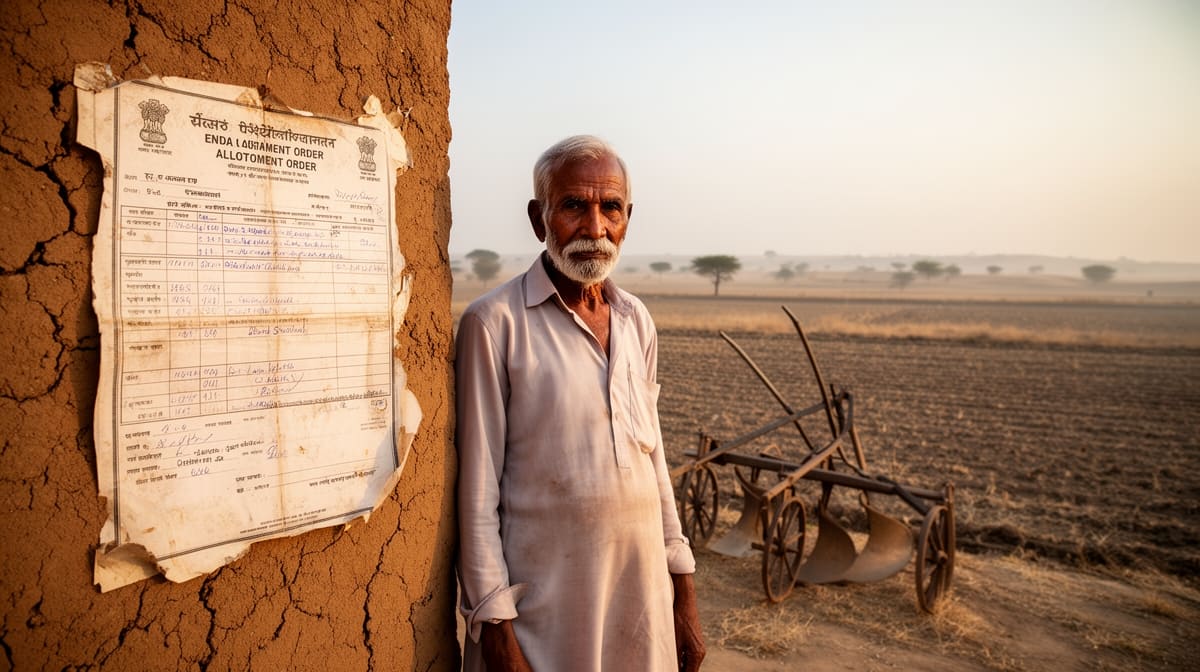
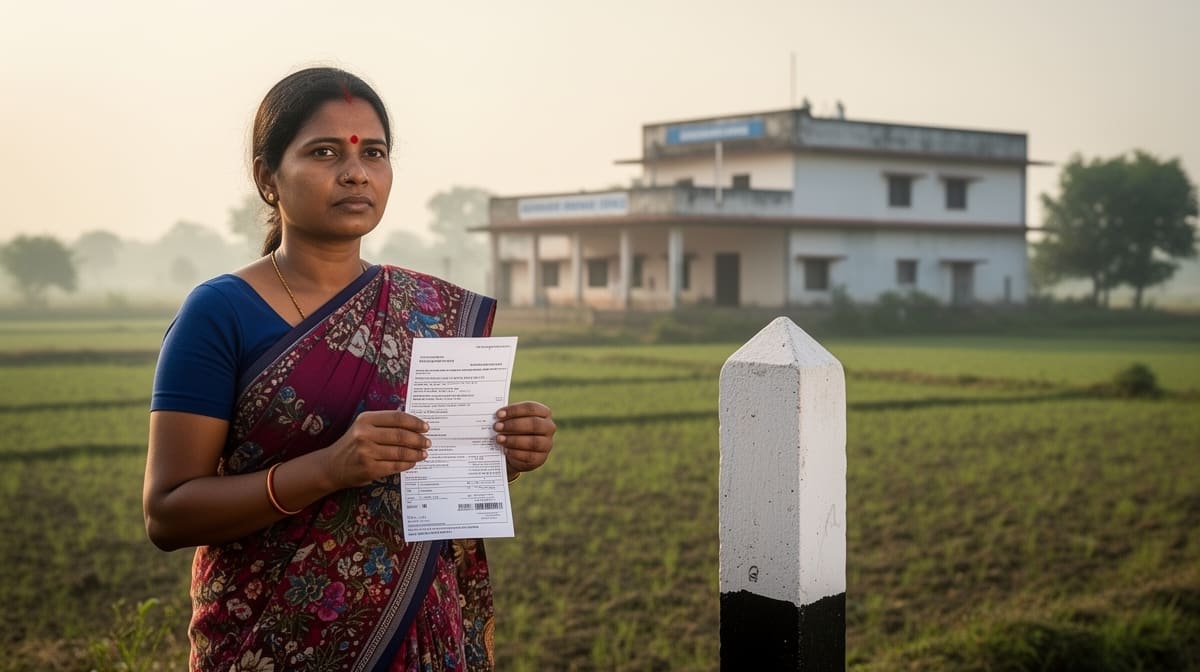
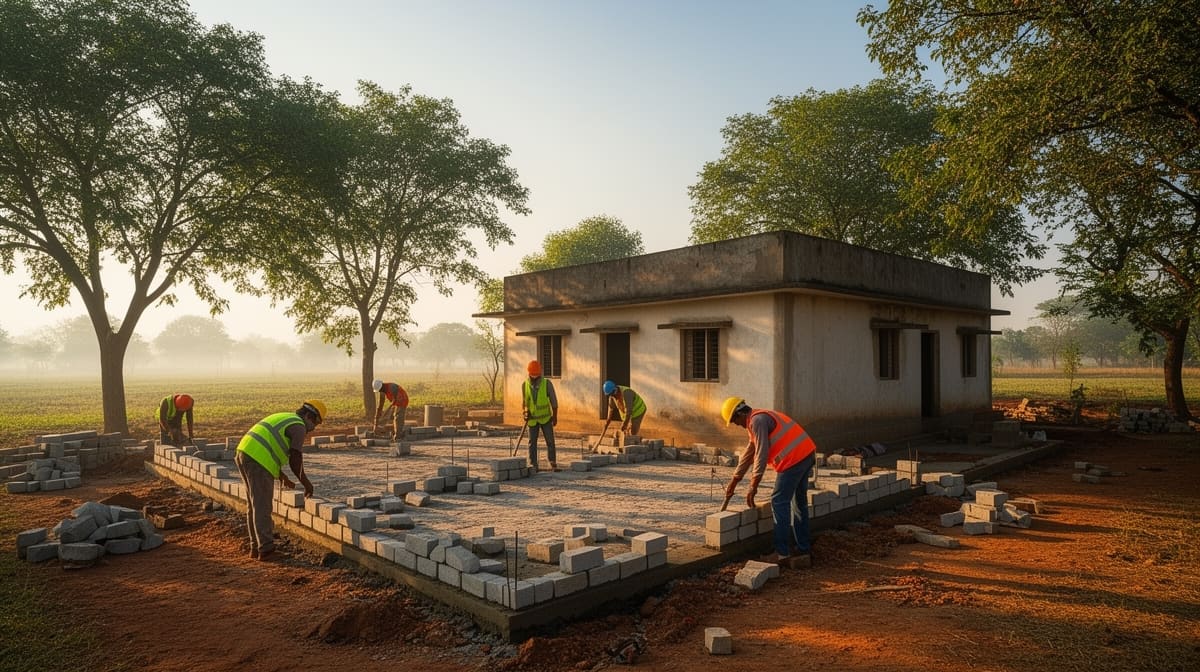
The petitioner, Abhaya Anjaneya Brahmana Seva Samithi, a registered religious trust representing the Brahmin community, applied on 31.10.2022 for the allotment of 0.06 guntas of government land in Sy.No.199, Peerzadiguda Village, Medchal-Malkajgiri District. The land was sought for constructing a community welfare center, Brahmana Sadan, to serve religious, educational, and social needs. Despite repeated follow-ups, no decision was rendered for over two years.
Procedural History
- 31.10.2022: Petitioner submitted formal application to District Collector (Respondent No.3)
- 05.02.2025: District Collector issued communication directing petitioner to submit documents as per G.O.Ms.No.571 dated 14.09.2012
- 11.03.2026: Petitioner filed Writ Petition under Article 226, alleging arbitrary delay and violation of constitutional rights
- Same day: Petitioner produced Annexure-XI and proforma application, previously awaited by authorities
Relief Sought
The petitioner sought a writ of mandamus directing the respondents to process and approve the land allotment application without further delay, asserting that the inaction was arbitrary, discriminatory, and violative of Articles 14 and 21.
The Legal Issue
The central question was whether prolonged administrative inaction in deciding a legitimate application for government land allotment to a religious trust, without any valid justification, amounts to a violation of Articles 14 and 21 of the Constitution.
Arguments Presented
For the Petitioner
Counsel for the petitioner relied on State of Haryana v. Bhagwan Das and S.P. Gupta v. Union of India to argue that unreasonable delay in administrative decision-making, especially concerning public resources meant for community welfare, amounts to arbitrariness under Article 14 and denial of life with dignity under Article 21. The petitioner emphasized that the application was complete and compliant with G.O.Ms.No.571, and that the delay was neither justified nor documented.
For the Respondent
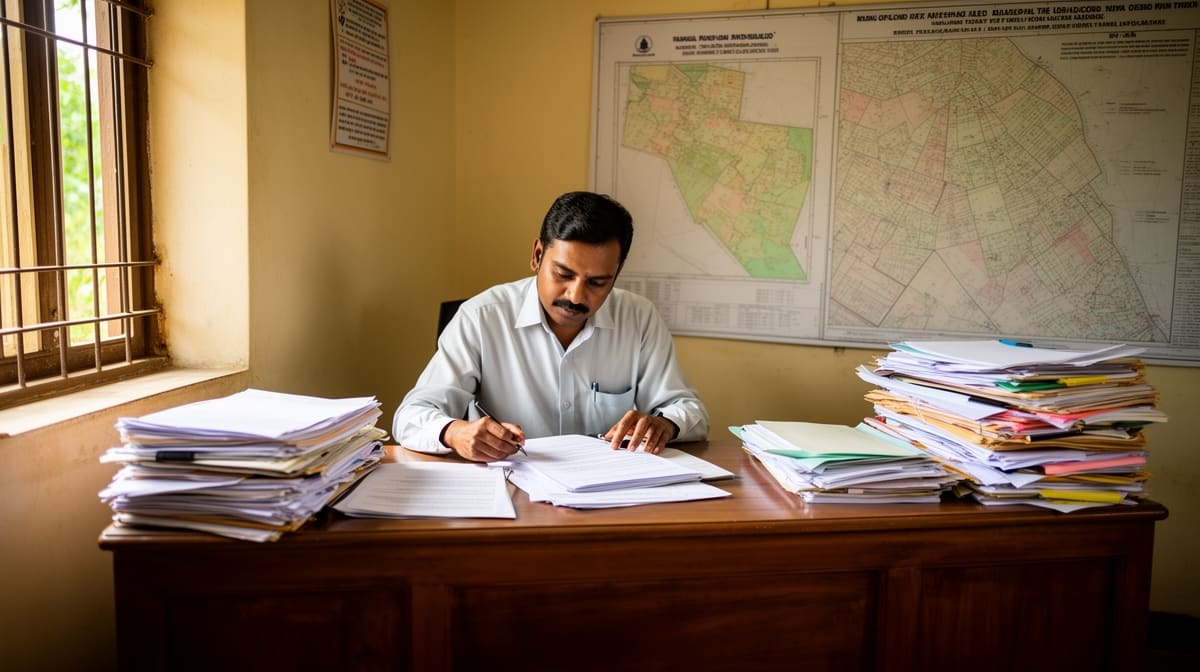
The Assistant Government Pleader for Revenue conceded that the application had been pending for over three years but contended that the matter was under internal review and that no formal rejection had been issued. No specific legal grounds were advanced to justify the delay, nor was any statutory provision cited to permit such prolonged inaction.
The Court's Analysis
The Court examined the nature of the petitioner’s application and the state’s response. It noted that the petitioner had submitted all required documents under Annexure-XI and Proforma as directed, thereby fulfilling procedural requirements. The state’s failure to act for over two years, despite having received the complete application, could not be rationalized as administrative necessity.
"The Constitution does not permit the State to hold citizen applications in perpetual limbo under the guise of internal processing. When the application is complete and the purpose is public welfare, delay becomes denial."
The Court held that Article 14 prohibits arbitrary state action, and Article 21 encompasses the right to access public resources for dignified living, including religious and community infrastructure. The state’s duty to act reasonably and promptly is not optional. The Court distinguished this from cases involving contested land titles or environmental clearances, noting that here, the land was unencumbered and the purpose non-commercial. The delay was therefore not merely procedural but substantively unconstitutional.
The Verdict
The petitioner succeeded. The Court held that administrative delay in deciding land allotment applications for public welfare purposes violates Articles 14 and 21. It directed the Chief Commissioner of Land Administration and the District Collector to decide the petitioner’s application dated 31.10.2022 within sixty days of receiving a copy of the order.
What This Means For Similar Cases
Administrative Delay Is a Constitutional Violation
- Practitioners can now invoke Articles 14 and 21 to challenge inordinate delays in land allotment, even without formal rejection
- The burden shifts to the state to justify any delay beyond six months in non-contentious applications
- Mere internal processing status is not a valid defense against writ jurisdiction
Religious Trusts Are Entitled to Equal Treatment
- Applications by religious trusts for community welfare projects cannot be treated as lower priority
- The Court affirmed that public land allocation for religious-cultural purposes falls within the ambit of public welfare under Article 21
- This applies equally to trusts of all faiths, reinforcing secular equality in state resource distribution
60-Day Timeline as New Standard
- 60 days is now the de facto reasonable timeframe for final decisions on complete applications for non-disputed government land
- Failure to decide within this period invites immediate writ remedy
- Practitioners should file writ petitions after 90 days of submission if no decision is rendered, even without formal refusal