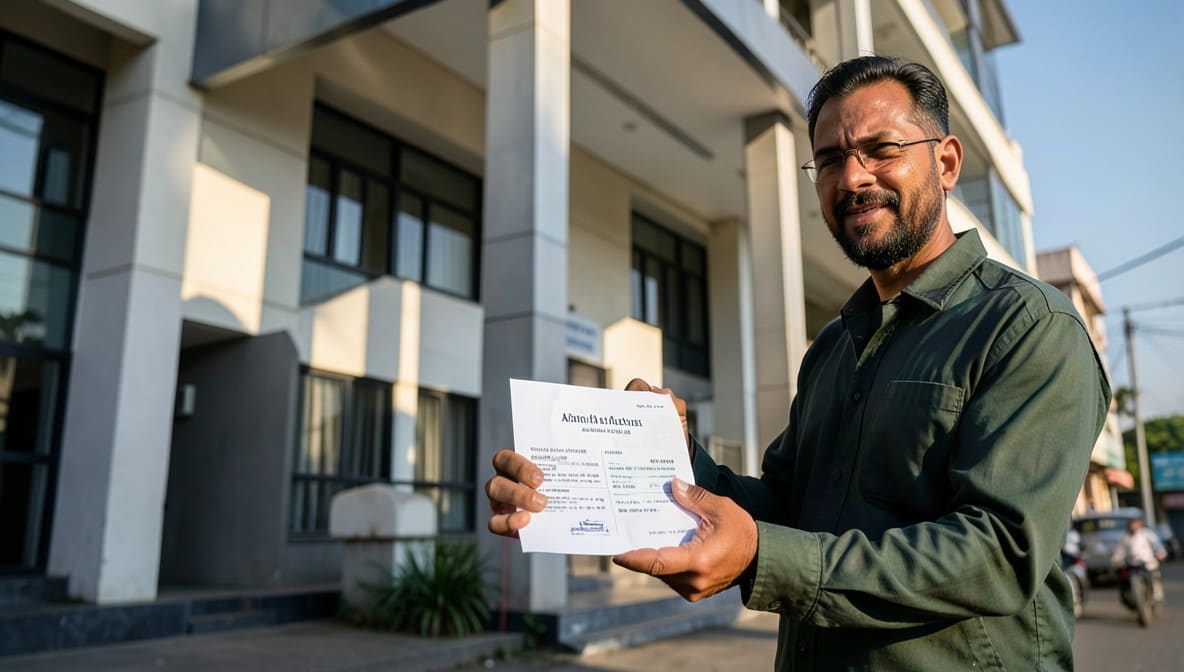
The Andhra Pradesh High Court has affirmed that the arbitrary withholding of admitted payments under public works contracts constitutes a violation of the right to livelihood under Article 21 of the Constitution. This judgment clarifies that writ jurisdiction under Article 226 is not barred merely because a money claim is involved, especially when the liability is undisputed and the delay causes undue hardship to the contractor.
Background & Facts
The Dispute
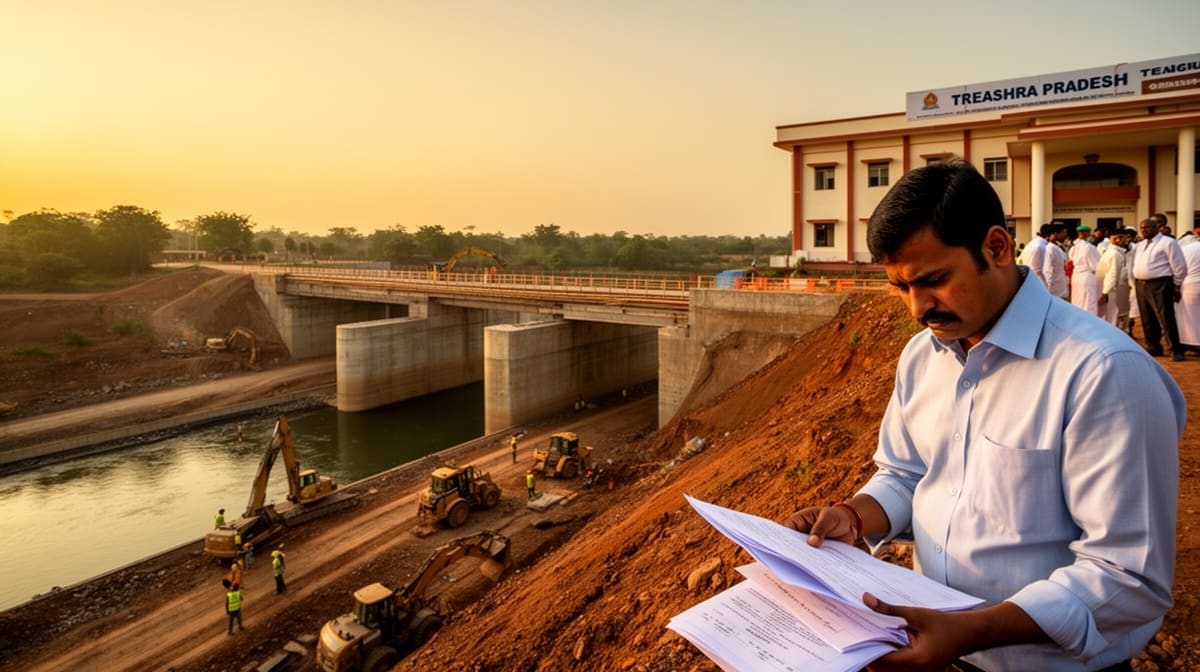
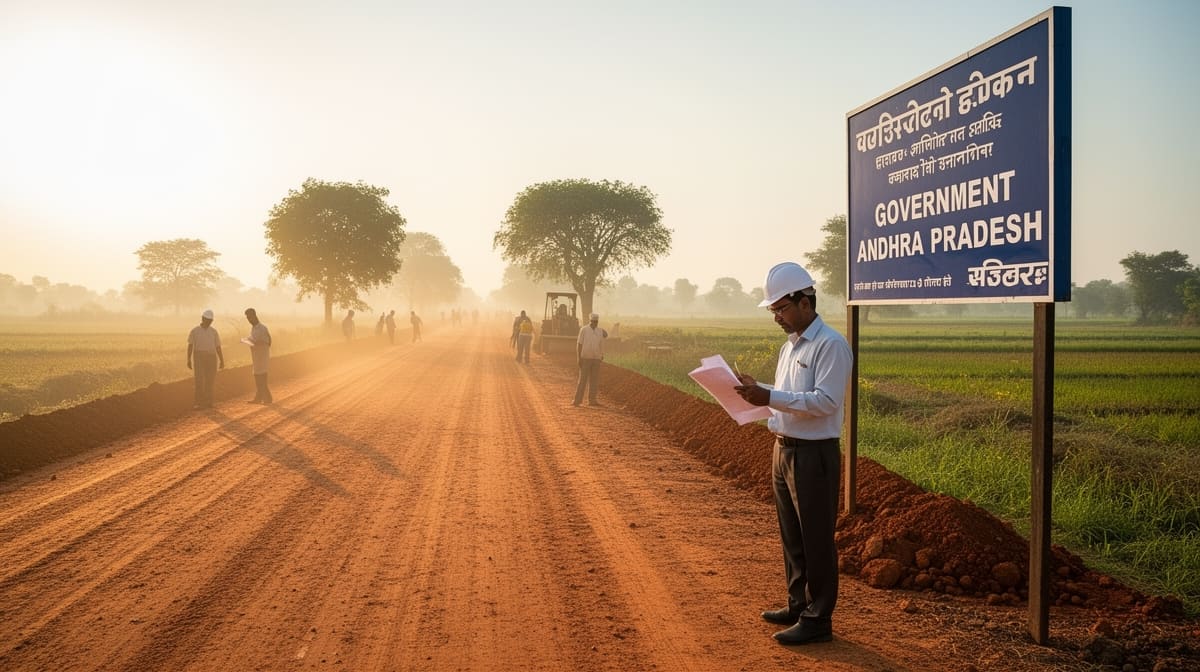
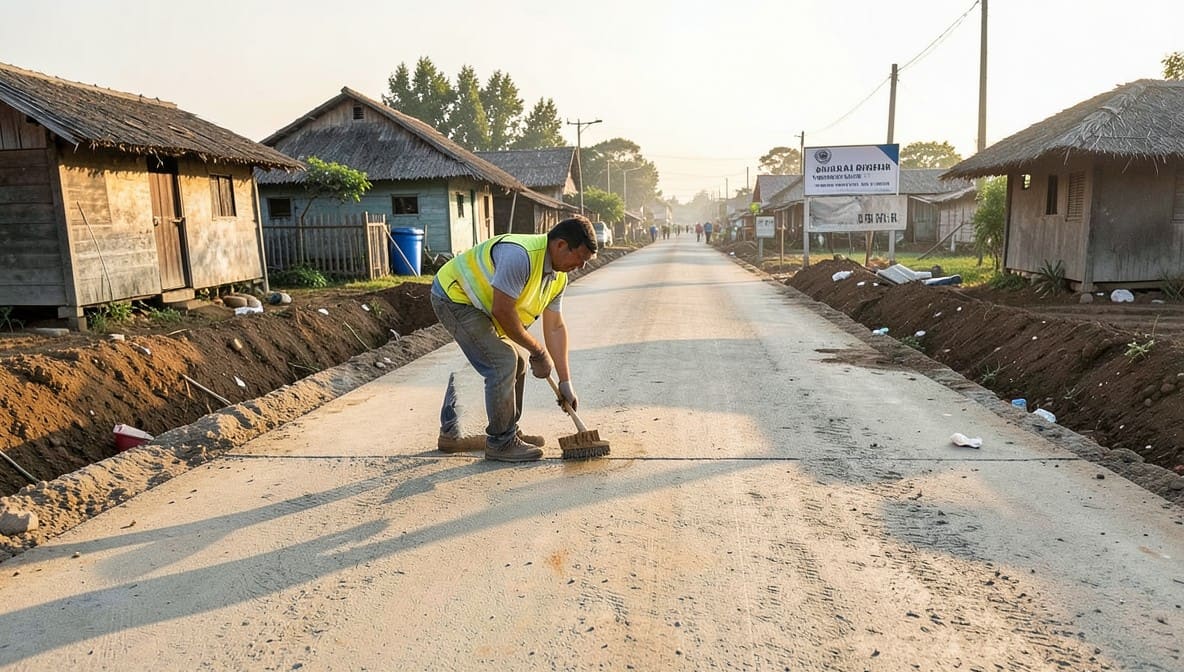
The petitioner, Vasireddy Venkata Satya Surya Bhaskara Rao, is a contractor who executed four separate works under agreements dated 06.10.2023 with the Department of Panchayat Raj and Rural Development, Government of Andhra Pradesh. The works involved construction of concrete roads in villages under Rowthulapudi Mandal, East Godavari District. Despite completion and finalization of bills, the respondents withheld payment of Rs.11,83,583/-, prompting the petitioner to file a writ petition under Article 226.
Key Facts
- Work I: CC Road from Koruprolu Satyavathi (H) to New RBK in S.Pydipala (V) - Agreement No./2023-24, Value: Rs.2,77,166/-
- Work II: CC Road from Nandarapu Ramana (H) to Church in S.Pydipala (V) - Agreement No./2023-24, Value: Rs.2,55,107/-
- Work III: CC Road from Sreenu (H) to Gandepalli Ramu (H) in S.Pydipala (V) - Agreement No./2023-24, Value: Rs.2,43,853/-
- Work IV: CC Road from ST Peta to Chintha Gummalu Caaluva in S.Pydipala (V) - Agreement No./2023-24, Value: Rs.4,07,457/-
- Total claimed by petitioner: Rs.11,83,583/-
- All works were completed and bills were finalized by the department
- No dispute was raised regarding quality, completion, or compliance with specifications
- Payment was withheld without any formal notice or reason
Procedural History
- 06.10.2023: Four works executed under separate agreements
- Post-completion (2023-24): Bills finalized by concerned officials
- Before 20.03.2026: Repeated representations for payment ignored
- 20.03.2026: Writ Petition No.6738/2026 filed before the Andhra Pradesh High Court
- 08.04.2026: Hearing conducted; respondents submitted written instructions via Assistant Government Pleader
The Parties' Positions
Petitioner: Argued that withholding payment after bill finalization is arbitrary, violative of Article 21, and amounts to denial of livelihood. Relied on M/s Utkal Highways Engineers and Contractors v. Chief General Manager & Ors to assert that writ jurisdiction is maintainable for admitted dues.
Respondents: Did not contest the execution of works or the quantum of work done. Submitted written instructions from the 2nd Respondent (Executive Engineer, PRI Division, Kakinada) acknowledging the total value of work and deductions.
Relief Sought
The petitioner sought:
- A declaration that withholding payment is illegal, arbitrary, and violative of Article 21
- A writ of mandamus directing payment of Rs.11,83,583/-
- Interest at 24% per annum from the date of bill finalization until realization
- Release of the amount pending disposal of the writ petition via IA No.1/2026
The Legal Issue
Can a writ petition under Article 226 be maintained for the recovery of admitted dues under a public works contract, even in the absence of a formal adjudicatory mechanism, when the delay in payment affects the contractor’s right to livelihood?
Arguments Presented
For the Petitioner
The petitioner’s counsel relied on M/s Utkal Highways Engineers and Contractors v. Chief General Manager & Ors to argue that non-payment of admitted dues, particularly after bill finalization, amounts to arbitrary state action under Article 14 and violates the right to livelihood under Article 21. She emphasized that the petitioner, a small contractor, has no alternative remedy that provides timely relief, and that the state’s inaction has caused financial distress. The petition was not barred by the existence of an alternative remedy, especially since the amount was undisputed.
For the Respondent
The respondents did not oppose the petitioner’s entitlement to payment. The Assistant Government Pleader submitted written instructions from the 2nd Respondent, which admitted the total value of work executed and the net amount payable after statutory deductions. No counter-affidavit or factual dispute was raised regarding the execution, quality, or completion of the works.
The Court's Analysis
The Court observed that the respondents did not dispute the execution of the works or the quantum of work done. The written instructions from the Executive Engineer, PRI Division, Kakinada, clearly stated that the total value of the works amounted to Rs.14,45,569/-, and after statutory deductions and quality control recovery, the net amount payable was Rs.12,26,598/-. This admission rendered the claim non-controversial.
The Court relied on the precedent in M/s Utkal Highways Engineers and Contractors v. Chief General Manager & Ors, where the Supreme Court held that "non-payment of admitted dues, inter alia, may be considered an arbitrary action on the part of respondents and for claiming the same, a writ petition may lie." The Court emphasized that the availability of an alternative remedy cannot be used to deny justice when the claim is undisputed and the delay is unjustified.
"Throwing a writ petition on ground of availability of alternative remedy after 10 years, particularly, when parties have exchanged their affidavits, is not the correct course unless there are disputed questions of fact which by their very nature cannot be adjudicated upon without recording formal evidence."
The Court noted that the petitioner’s livelihood depends on timely payment for contracted works. Withholding an admitted sum of over Rs.12 lakh for an indefinite period, without any justification, constitutes a violation of Article 21. The state, as a model employer and contracting authority, is bound by principles of good governance and fair dealing.
The Verdict
The writ petition is disposed of with the direction that the respondents shall release an amount of Rs.12,26,598/- (Rupees Twelve Lakhs Twenty Six Thousand Five Hundred and Ninety Eight only), payable to the petitioner for the four works executed under agreements dated 06.10.2023, within three months from the date of receipt of a copy of this order. No interest is awarded. No order as to costs. All pending miscellaneous petitions are closed.
What This Means For Similar Cases
Admitted Dues Are Non-Negotiable
- Practitioners can now confidently file writ petitions under Article 226 for recovery of undisputed payments under public contracts
- The state cannot delay payment on grounds of "internal processing" or "pending approvals" when the bill is finalized and no dispute exists
- Delay beyond 90 days after bill finalization may now be treated as prima facie arbitrary under Article 14
Writ Jurisdiction Is Not Barred for Money Claims
- The myth that writ courts cannot entertain money claims is definitively laid to rest
- Courts will examine whether the claim is admitted, whether delay causes hardship, and whether alternative remedies are effective and timely
- Contractors in rural infrastructure projects now have a clear, expedited remedy against bureaucratic inaction
Accountability of Public Agencies
- Departments must ensure timely processing of bills and avoid unilateral withholding without notice
- Written instructions submitted in court can be treated as admissions binding on the state
- Failure to pay within the stipulated period may invite contempt proceedings or compensation claims under Article 21