Topic

delay in payment

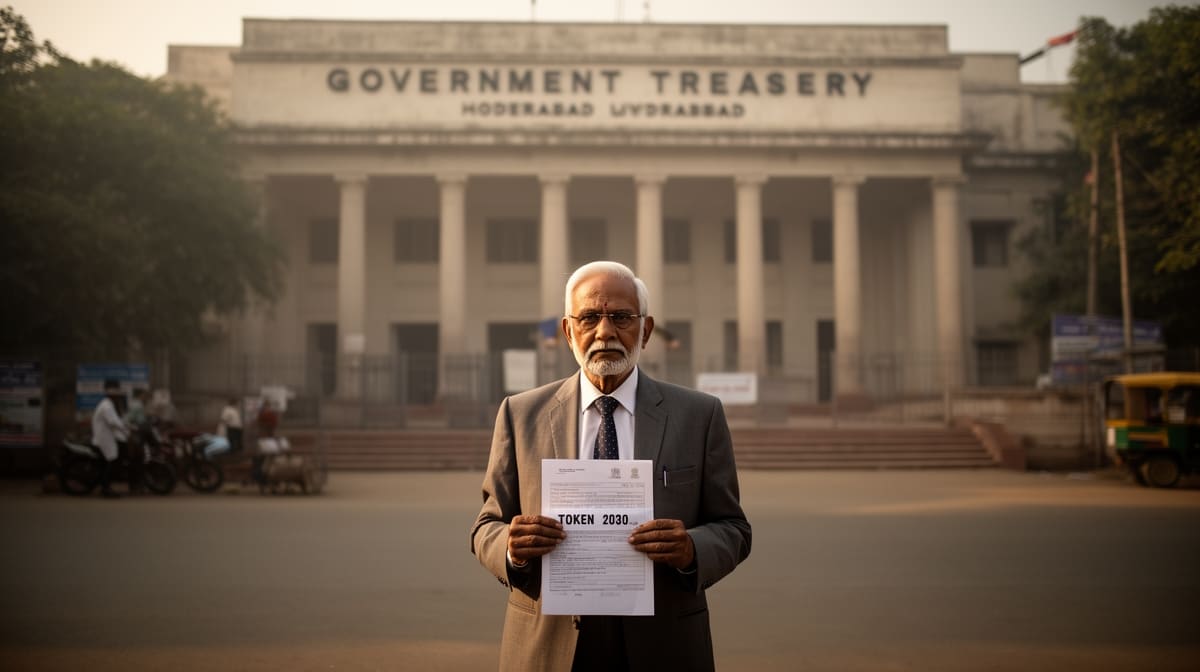
Delay in payment under Indian law refers to unlawful postponement of statutory dues like pensions, gratuity, or compensation by public authorities after obligations are clearly established.

8 articlesLatest July 2026
KIAD Act, 1966 | Compensation for Pre-2013 Acquisitions Governed by Original Statute, Not Land Acquisition Act, 2013 | Karnataka HC
|Karnataka High Court

KIAD Act, 1966 | Compensation for Pre-2013 Acquisitions Governed by Original Statute, Not Land Acquisition Act, 2013 | Karnataka HC

The Karnataka High Court has ruled that land acquired under the KIAD Act before the 2013 Land Acquisition Act came into force must be compensated under the original KIAD framework, not the newer statutory regime-even after a 17-year delay. This clarifies that statutory timelines cannot override the legal regime in force at the time of acquisition, protecting landowners from retroactive application of more restrictive compensation norms.

Inter-State Liability for Salary Arrears | Jharkhand HC Holds Bihar Liable for Retired Employees' Dues Despite School Transition : Jharkhand HC
Case Law Analysis
|Jharkhand High Court

Inter-State Liability for Salary Arrears | Jharkhand HC Holds Bihar Liable for Retired Employees' Dues Despite School Transition : Jharkhand HC

Jharkhand High Court ruled that the State of Bihar remains liable for salary arrears of six retired employees from 1999-2007, rejecting claims of school closure or non-regularization. The Court mandated payment within four weeks, warning of personal liability for officials in case of delay, reinforcing inter-state accountability in public employment disputes.

Article 21 | Withholding Admitted Public Works Payments After Bill Finalization Is Arbitrary State Action : Andhra Pradesh HC
Case Law Analysis
|Andhra Pradesh High Court

Article 21 | Withholding Admitted Public Works Payments After Bill Finalization Is Arbitrary State Action : Andhra Pradesh HC

The Andhra Pradesh High Court has ruled that delaying payment of verified public works dues, even after bill finalization, violates the right to life and livelihood under Article 21. This sets a critical precedent for contractors and state agencies alike, affirming that administrative inertia in paying legitimate dues constitutes unconstitutional state arbitrariness.