The Bombay High Court has invoked its inherent power to initiate a suo motu Public Interest Litigation to prevent the irreversible destruction of prehistoric archaeological sites dating back two million years. This rare judicial intervention underscores the judiciary’s evolving role as guardian of intangible cultural heritage under the right to life and dignity.
Background & Facts
The Dispute
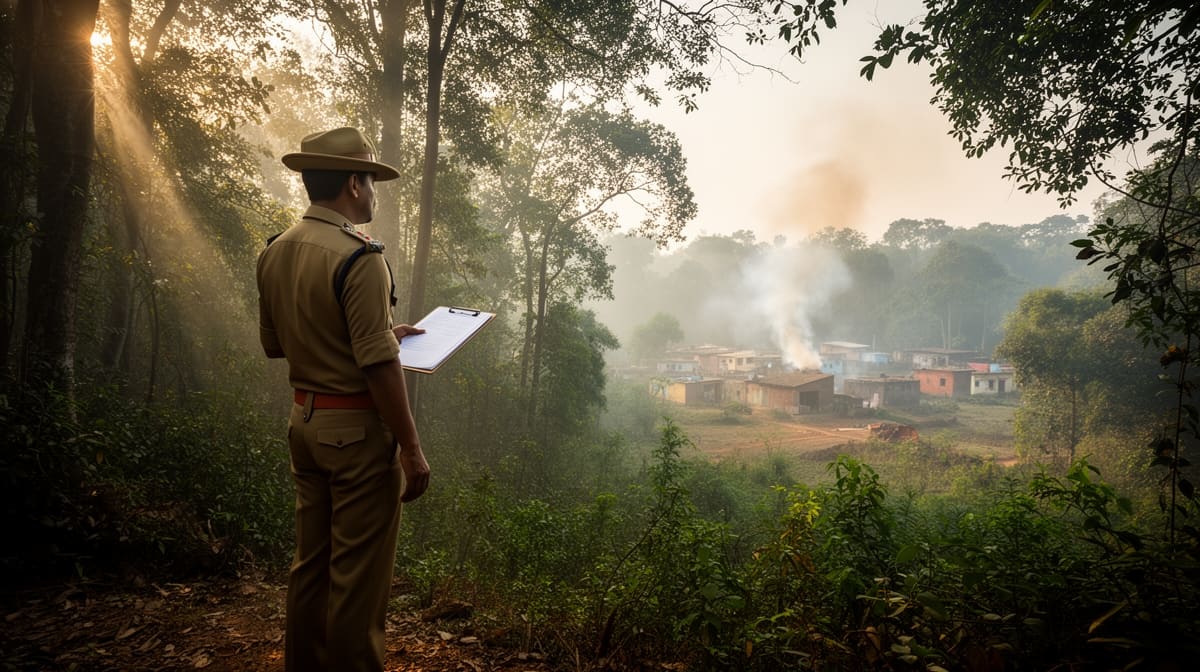
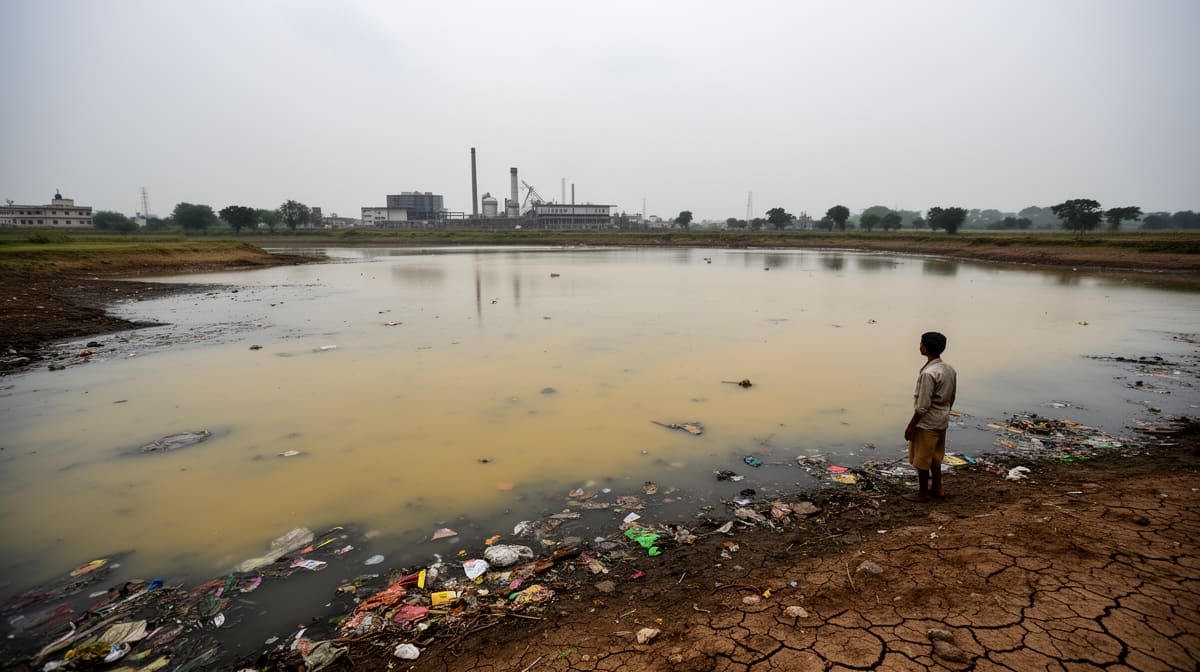
The Court took cognizance of news reports in the Times of India detailing the rapid degradation of prehistoric archaeological sites in Bhatala and Mowad villages, Warora Taluka, Chandrapur District. These sites, among the oldest in central India, contain invaluable paleolithic and mesolithic deposits that offer critical insights into early human habitation. Field studies indicate that approximately 75% of the original archaeological deposits have already been lost due to unregulated quarrying, illegal mining, and unchecked natural erosion.
Procedural History
The matter originated not through a petition, but through the Court’s own observation of media reports:
- 05/02/2025: Times of India publishes first report on site degradation
- 04/01/2026: Follow-up report highlights accelerated destruction
- 09/03/2026: Bombay High Court, Nagpur Bench, treats reports as grounds for suo motu PIL
- 09/03/2026: Court appoints Mr. B.G. Kulkarni as Amicus Curiae to file formal PIL within two weeks
Relief Sought
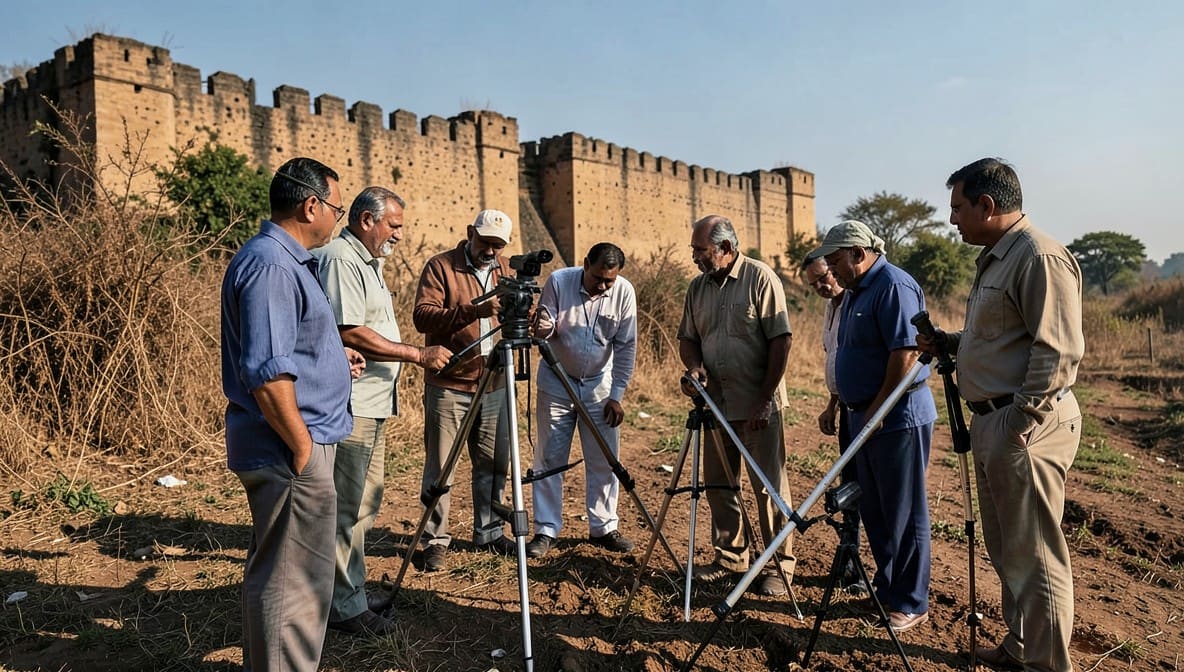
The Court seeks immediate protective measures, including a stay on quarrying and mining activities, a comprehensive survey of remaining deposits, and the formulation of a conservation plan under the Archaeological Survey of India. The ultimate aim is to prevent further loss of irreplaceable cultural heritage.
The Legal Issue
The central question was whether the judiciary can invoke suo motu jurisdiction under Article 21 to protect prehistoric archaeological sites as part of the right to life and cultural identity, even in the absence of a formal petition.
Arguments Presented
For the Amicus Curiae
Mr. Kulkarni, appointed as Amicus, argued that the destruction of these sites constitutes a violation of Article 21 as interpreted in Subhash Kumar v. State of Bihar, where the Court held that the right to life includes the right to a healthy environment. He further cited M.C. Mehta v. Union of India to assert that the state has a duty to preserve natural and cultural heritage as part of its obligation under the Directive Principles. He emphasized that these sites are not merely relics but integral to India’s collective memory and identity.
For the Respondent/State
The Advocate General for Maharashtra and the Union of India did not contest the factual premise but urged caution, noting that jurisdictional authority over archaeological sites rests primarily with the Archaeological Survey of India under the Ancient Monuments and Archaeological Sites and Remains Act, 1958. They argued that judicial intervention should be limited to ensuring administrative compliance, not replacing it.
The Court's Analysis
The Court rejected the notion that suo motu action requires a formal petition. It held that public interest litigation is not confined to petitioner-initiated proceedings but extends to the Court’s constitutional duty to protect fundamental rights when institutional failure is evident. The Court observed:
"The right to life under Article 21 is not confined to biological existence but encompasses the right to live with dignity, which includes the preservation of cultural heritage that defines our collective identity. The destruction of sites older than human civilization itself is not merely an administrative lapse - it is a constitutional failure."
The Court distinguished State of U.P. v. Ved Prakash by noting that while that case dealt with statutory enforcement, this case involved non-enforcement of a constitutional obligation. It further held that the absence of a specific statute does not negate the Court’s power to act under its writ jurisdiction when fundamental rights are at stake. The Court emphasized that cultural heritage is an inseparable component of environmental rights, as affirmed in T.N. Godavarman Thirumulpad v. Union of India*.
The Verdict
The Court succeeded in initiating suo motu proceedings. It held that the judiciary has the authority to intervene suo motu to protect prehistoric heritage under Article 21, and directed the Amicus Curiae to file a formal PIL within two weeks. The Registry was ordered to provide all relevant materials to facilitate the filing.
What This Means For Similar Cases
Judicial Initiative Can Trigger Heritage Protection
- Practitioners may now file PILs invoking suo motu precedents to demand protection of unnotified heritage sites
- Courts may treat media reports as sufficient trigger for intervention when irreversible harm is imminent
- The burden shifts to the state to justify inaction when cultural heritage is threatened
Cultural Heritage Is Integral to Article 21
- Article 21 now explicitly encompasses preservation of prehistoric and non-monumental heritage
- Environmental litigation strategies must now include cultural archaeology as a component of the right to life
- Expert testimony on historical significance will become critical in future PILs
Statutory Gaps Do Not Bar Judicial Action
- The absence of a specific enforcement mechanism under the ASAMSR Act does not preclude judicial remedy
- Courts may issue interim directions to halt destructive activities pending statutory action
- Amicus Curiae appointments will likely increase in heritage-related matters