The Bombay High Court has reaffirmed that prolonged administrative inaction on critical environmental and land-use matters constitutes a violation of fundamental rights under Article 21. This judgment compels public authorities to respond to representations concerning the misuse of acquired land within protected ecological zones, reinforcing procedural accountability in environmental governance.
Background & Facts
The Dispute
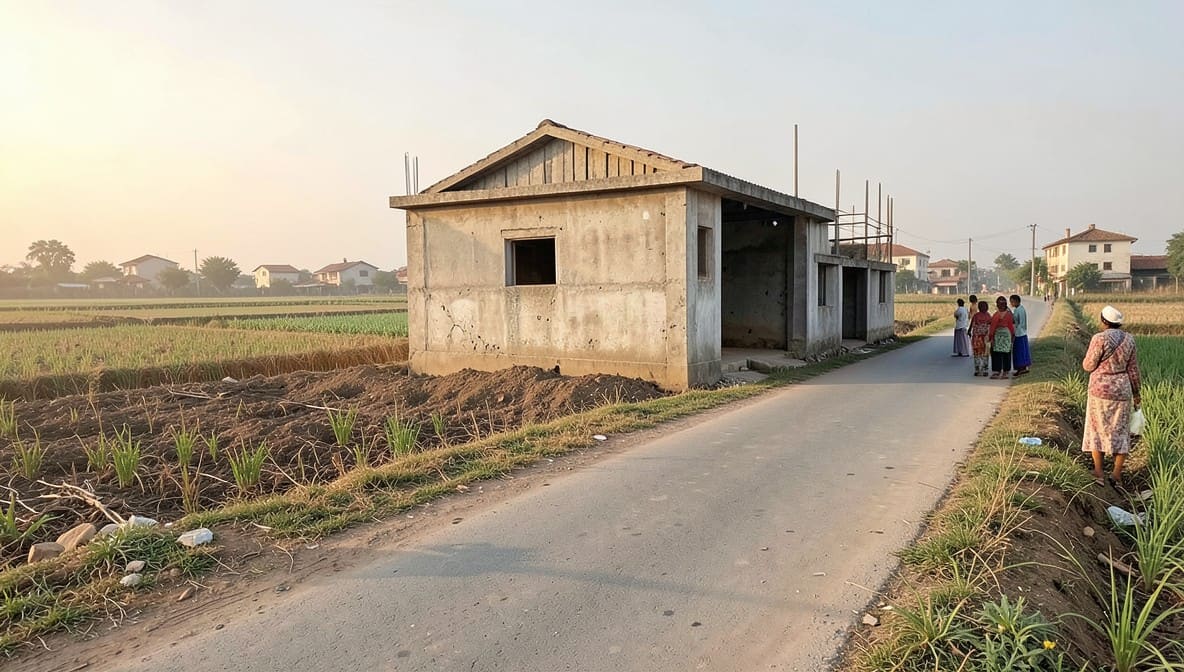
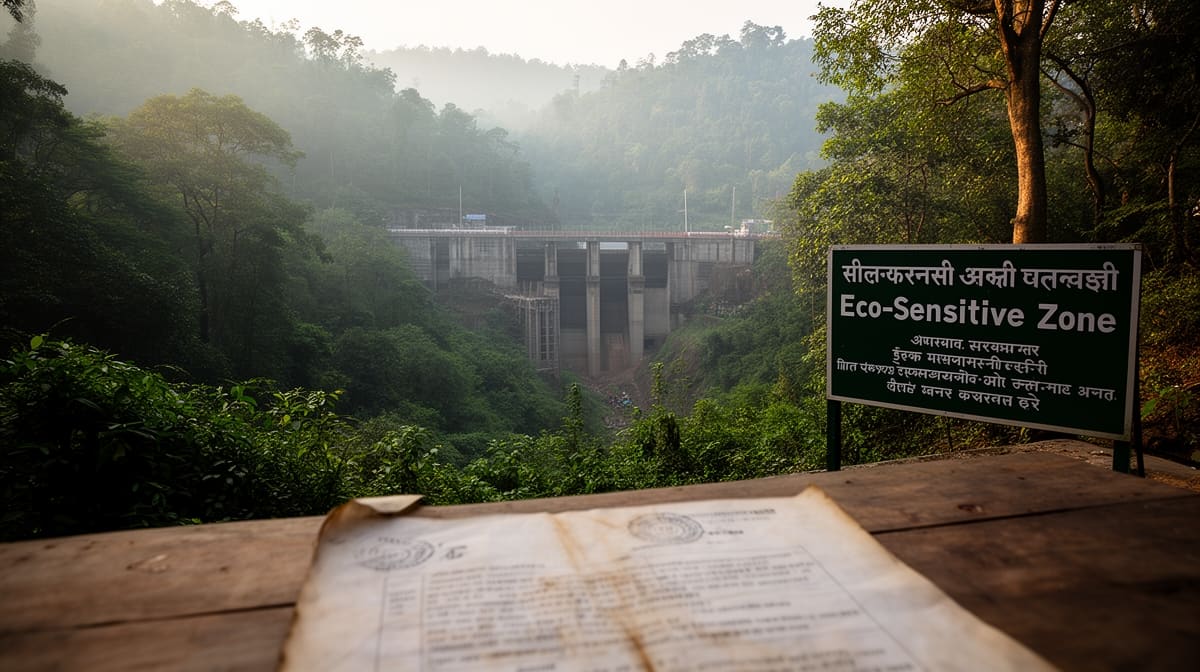
The petitioners, landowners whose property was acquired by the Irrigation Department for dam construction, allege that the unused portion of the acquired land - located within the Eco-Sensitive Zone of Dyanganga Wildlife Sanctuary - is being transferred to the Municipal Council of Buldana for commercial development. This use contradicts the original purpose of acquisition and violates environmental safeguards under the Wildlife (Protection) Act, 1972, and the Environment (Protection) Act, 1986.
Procedural History
The petitioners raised multiple grievances through formal representations to the respondents, culminating in a final representation dated 12/11/2025. Despite repeated requests, no decision was rendered. The petitioners then approached the High Court under Article 226 seeking judicial intervention against this administrative silence.
Relief Sought
The petitioners sought a direction to the Collector of Buldana to decide their representations within a stipulated time, with due opportunity of hearing, and to consider the environmental implications of the proposed commercial use.
The Legal Issue
The central question was whether administrative silence on a representation concerning land use in an Eco-Sensitive Zone, after repeated requests, amounts to a violation of natural justice and the right to a fair hearing under Article 21 of the Constitution.
Arguments Presented
For the Petitioner
The petitioners relied on T.N. Godavaraman Thirumulpad v. Union of India to argue that any change in land use within an Eco-Sensitive Zone requires strict compliance with environmental norms and transparent decision-making. They contended that non-decision on their representation amounted to a de facto approval of unlawful activity, thereby violating the principles of audi alteram partem and reasoned decision-making.
For the Respondent
The State did not contest the factual allegations but argued that the matter was under internal review and that judicial intervention was premature. The Advocate General submitted that the Collector was in the process of examining the issue and that the petition was not maintainable until exhaustion of administrative remedies.
The Court's Analysis
The Court rejected the argument that administrative delay could be excused as mere procedural inaction. It emphasized that when representations involve environmental degradation and potential violation of statutory protections, silence is not neutrality - it is complicity. The Court observed:
"The right to a healthy environment is an intrinsic part of Article 21. When citizens raise legitimate concerns about the misuse of land acquired for public purpose, and that land lies within a legally notified Eco-Sensitive Zone, the State cannot remain mute. Silence in such circumstances is a denial of justice."
The Court distinguished T.N. Godavaraman Thirumulpad as directly applicable: it established that even post-acquisition, the original purpose and environmental constraints must govern subsequent use. The Court further held that the Collector, as the designated authority under the Land Acquisition Act, has a duty to adjudicate representations with procedural fairness, especially when constitutional rights are implicated.
The Court declined to adjudicate the merits of the proposed commercial use, recognizing that the Collector was better placed to examine technical and environmental reports. However, it mandated a time-bound, reasoned decision-making process.
The Verdict
The petitioners succeeded. The Court held that administrative silence on environmental representations violates natural justice and directed the Collector of Buldana to decide the representations within eight weeks, with a hearing and reasoned order. The decision must consider the petitioners’ submissions and the annexed environmental report.
What This Means For Similar Cases
Administrative Silence Is Not a Valid Outcome
- Practitioners must now treat non-decision on environmental representations as a justiciable grievance under Article 226
- Delay beyond 60 days on matters involving protected zones can be challenged immediately, without waiting for final refusal
- Courts will not defer to "internal review" when constitutional rights and ecological protections are at stake
Environmental Representations Trigger Procedural Safeguards
- Any representation concerning land use in an Eco-Sensitive Zone must be treated as a statutorily protected inquiry
- Authorities must record reasons for rejection or approval, referencing environmental impact assessments and statutory norms
- Failure to provide a hearing or consider annexed reports renders the decision liable to be set aside
Jurisdictional Boundaries Must Be Clarified by Authorities
- If a Collector concludes they lack jurisdiction, they must issue a detailed recommendation to the competent authority
- The competent authority cannot ignore such recommendations; they are bound to act "to their logical end in accordance with law"
- This creates a chain of accountability, preventing bureaucratic evasion