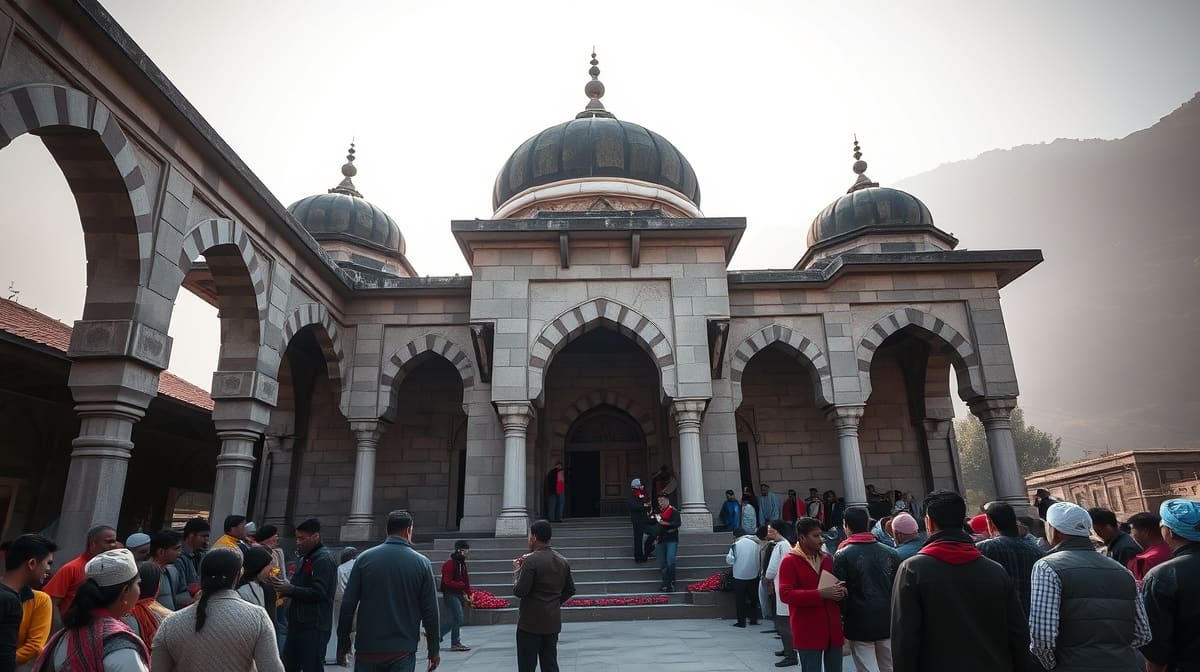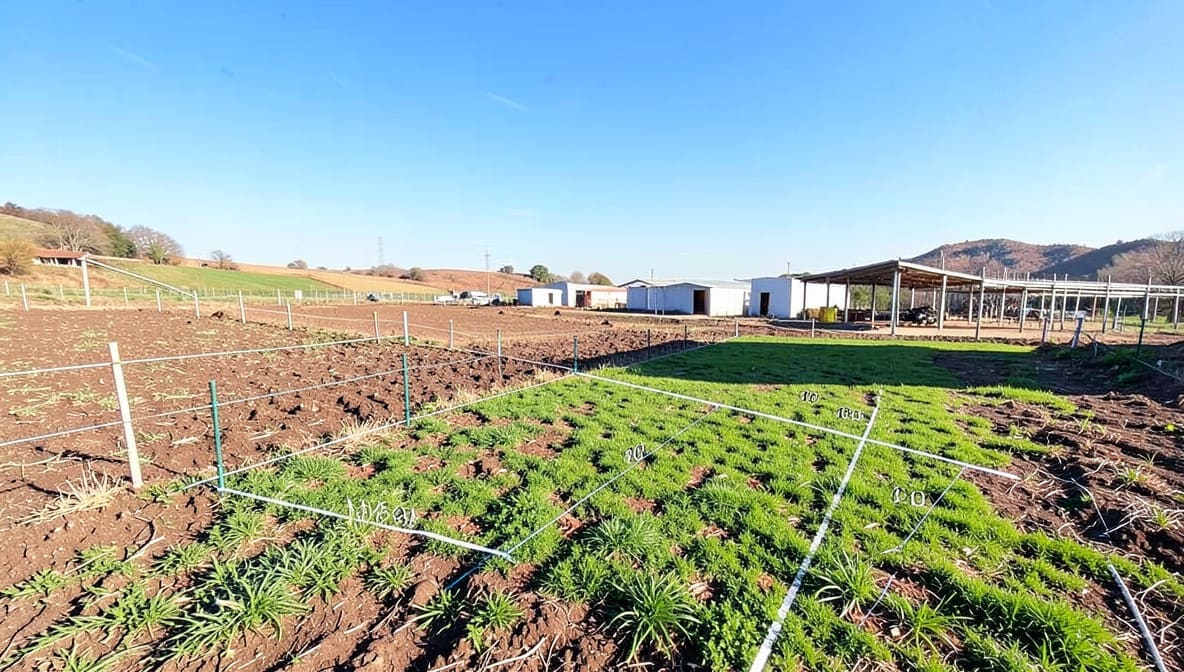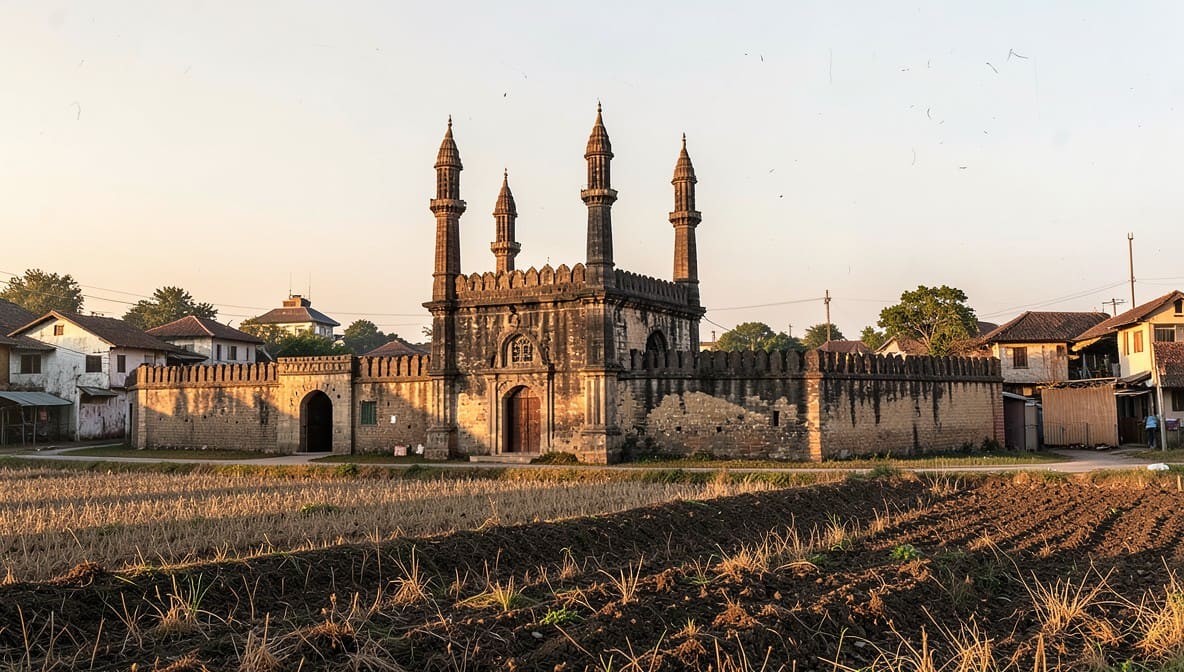
The Bombay High Court’s judgment in FA 3243 of 2025 affirms that revenue records and state government notifications serve as foundational evidence for establishing ownership and protective status over Waqf properties, particularly when used as graveyards. This ruling reinforces the legal sanctity of such lands against encroachment by local bodies, even in the face of long-standing customary use.
Background & Facts
The Dispute
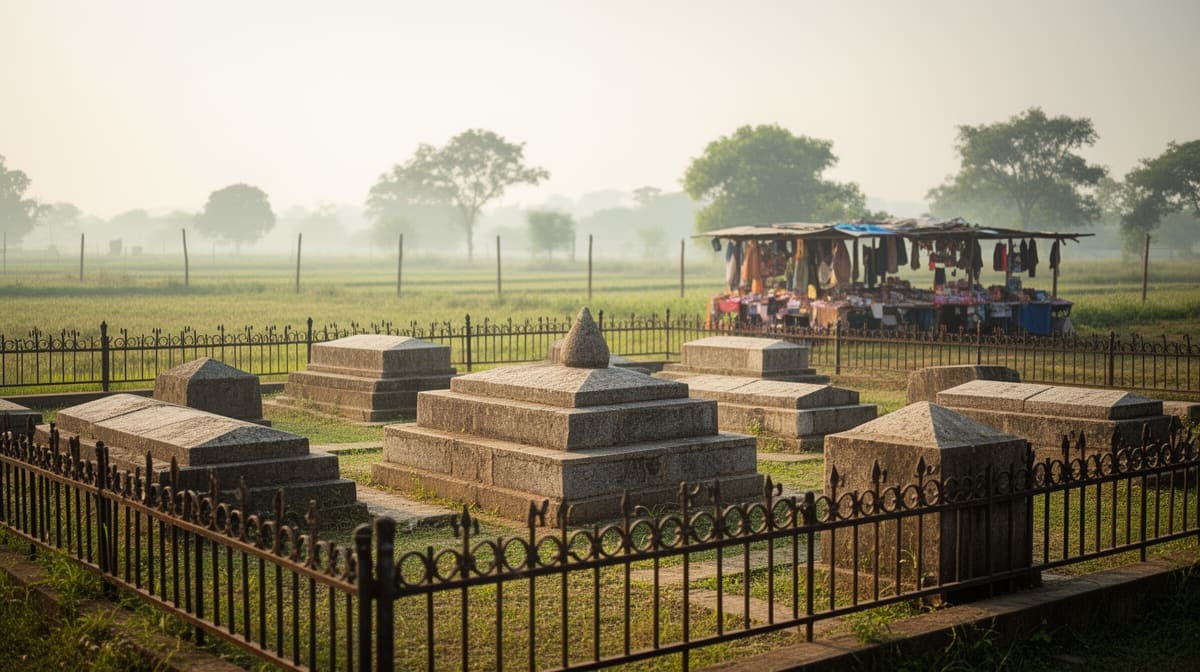
The dispute centers on a 3-acre plot (Gut No. 731, Old Survey No. 14) in Dindrud, Beed, claimed by the Dargah Hazrat Osman Shah Wali as a Waqf graveyard. The Gram Panchayat, seeking to expand a weekly market, resolved to remove iron fencing, destroy tombs, and convert the land for commercial use. The plaintiffs, including the Waqf institution and local Muslim residents, filed a suit seeking declaration of ownership and a temporary injunction to halt the encroachment.
Procedural History
- 1974: State Government issued Gazette notification allotting 3 acres of land to the Dargah as Waqf property.
- 2007: Mutation entry No. 2127 recorded 1 H 20 R (3 acres) as Muslim Kabrasthan in revenue records (7/12 extract).
- 2009: Sub-Divisional Officer revoked mutation entry No. 2127 under Section 258 of the M.L.R. Code, but the order remained unexecuted.
- 2024: Gram Panchayat passed resolution to convert the land for weekly market, prompting plaintiffs to file suit.
- November 2025: District Judge/Waqf Tribunal granted temporary injunction restraining demolition and market activities.
- February 2026: Bombay High Court heard appeal against the injunction.
Relief Sought
The plaintiffs sought a temporary injunction under Order XXXIX Rules 1 and 2 of the CPC to prevent destruction of tombs, alteration of land use, and unauthorized market operations on the Waqf property during pendency of the suit.
The Legal Issue
The central question was whether revenue records and a 1974 Government notification collectively establish a prima facie case of Waqf ownership sufficient to grant temporary injunction, despite claims of long-standing customary use and disputed mutation entries.
Arguments Presented
For the Appellant
The Gram Panchayat contended that:
- The 1974 Gazette notification was fabricated and unsupported by survey records under Section 4 of the Waqf Act, 1954.
- Mutation entry No. 2127 was lawfully revoked in 2009 under Section 258 of the M.L.R. Code.
- The land had been used for weekly markets since the Nizam era, with public infrastructure (school, bus stand, godowns) built on it.
- The plaintiffs failed to join necessary parties and did not identify the property with sufficient precision under Order VII Rule 3 CPC.
- Relied on Salem Muslim Burial Ground Protection Committee v. State of Tamil Nadu to argue that notification alone does not validate Waqf status without survey.
For the Respondent
The Waqf institution and plaintiffs argued that:
- The 1974 Gazette notification and 7/12 extract consistently recorded the land as Muslim Kabrasthan since 1981.
- The revocation of mutation entry in 2009 was never implemented and remains ineffective.
- Photographs showed vendors sitting on tombs and damaging graves, establishing irreparable harm.
- The land’s use as a graveyard predates the Gram Panchayat’s claim, and the Panchayat has no legal title.
- Relied on Francisco Rodrigues v. Angelica Rebello to affirm that the plaintiffs’ interest as descendants of buried persons conferred standing.
The Court's Analysis
The Court examined the interplay between revenue records, government notifications, and customary use under the Waqf framework. It emphasized that while the appellant challenged the authenticity of the 1974 notification, it produced no forensic or documentary evidence to prove forgery.
"The appellant/defendant has brought nothing on record to show that the said Government Gazette dated 14.02.1974 is fake and fabricated."
The Court noted that the 7/12 extract, maintained under the Maharashtra Land Revenue Code, consistently reflected the land as Muslim Kabrasthan for over three decades. This created a rebuttable presumption of ownership under Section 114 of the Indian Evidence Act. The revocation of mutation entry in 2009 was deemed ineffective due to non-execution.
The Court distinguished Salem Muslim Burial Ground by noting that in that case, no revenue record or long-standing mutation supported the claim. Here, the record was consistent. The Court also rejected the argument that customary market use overrode statutory Waqf status, holding that public convenience cannot override religious and cultural sanctity of burial grounds.
The Court further held that the balance of convenience clearly favored the plaintiffs: damage to ancestral tombs constituted irreparable harm, while the Gram Panchayat retained 67 R of Gairan land for market operations.
The Verdict
The appellant’s appeal was dismissed. The Court upheld the temporary injunction, holding that revenue records and government notification together establish a prima facie case of Waqf ownership, and that desecration of graves constitutes irreparable injury justifying injunctive relief. The status quo was preserved pending final adjudication.
What This Means For Similar Cases
Revenue Records Trump Oral Claims
- Practitioners must prioritize 7/12 extracts and mutation entries over oral testimony or customary use in Waqf disputes.
- Long-standing entries create a presumption of title that shifts the burden to the challenger to prove fraud or error.
- Failure to execute revocation orders (e.g., under Section 258 M.L.R. Code) renders them legally ineffective.
Waqf Graveyards Are Legally Inviolable
- Any attempt to convert Waqf burial land for commercial use - however longstanding - is prima facie unlawful.
- Courts will treat damage to tombs as irreparable harm, satisfying the third limb of the injunction test.
- Photographs documenting desecration are powerful evidence in injunction applications.
Procedural Lapses Do Not Invalidate Waqf Status
- Non-joinder of parties or imperfect property description under Order VII Rule 3 CPC will not defeat a claim if revenue records clearly identify the land.
- Waqf suits must be filed before the Waqf Tribunal, but failure to do so by a defendant does not validate their encroachment.
- Courts will not allow procedural technicalities to override substantive rights over religious property.