The High Court of Uttarakhand has reaffirmed a foundational principle of civil procedure: a temporary injunction under Order 39 Rule 1 and 2 of the Code of Civil Procedure cannot be granted without a reasoned application of the three mandatory criteria. This judgment serves as a critical corrective to routine, mechanical orders that bypass substantive analysis in favor of procedural expediency.
Background & Facts
The Dispute
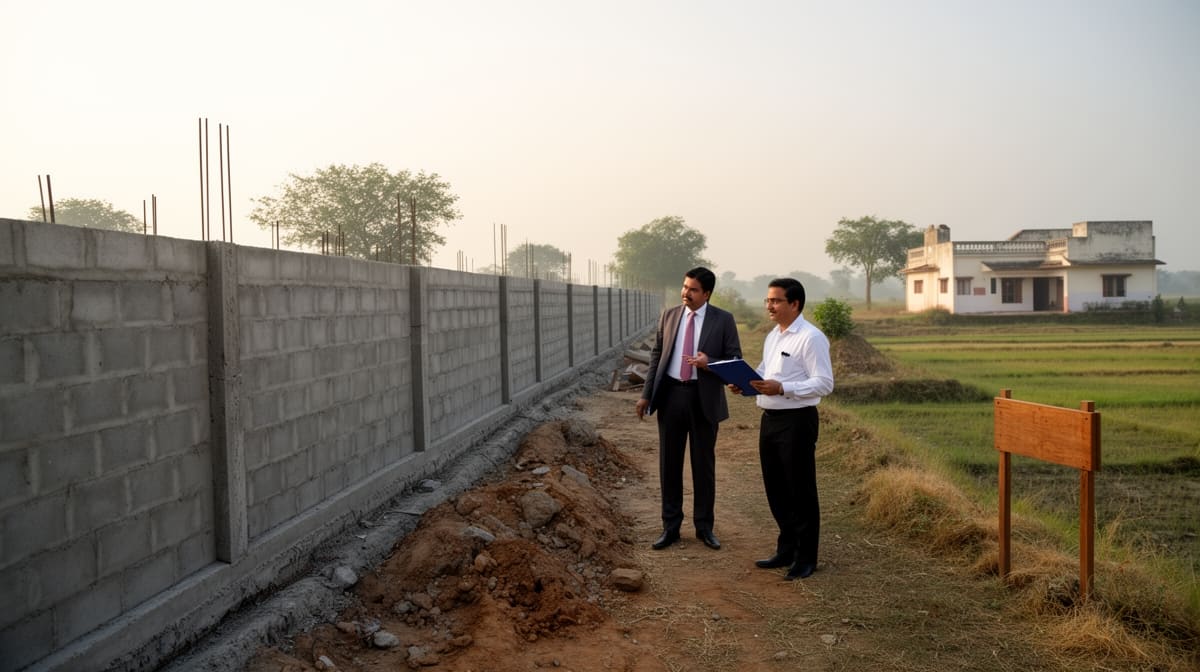
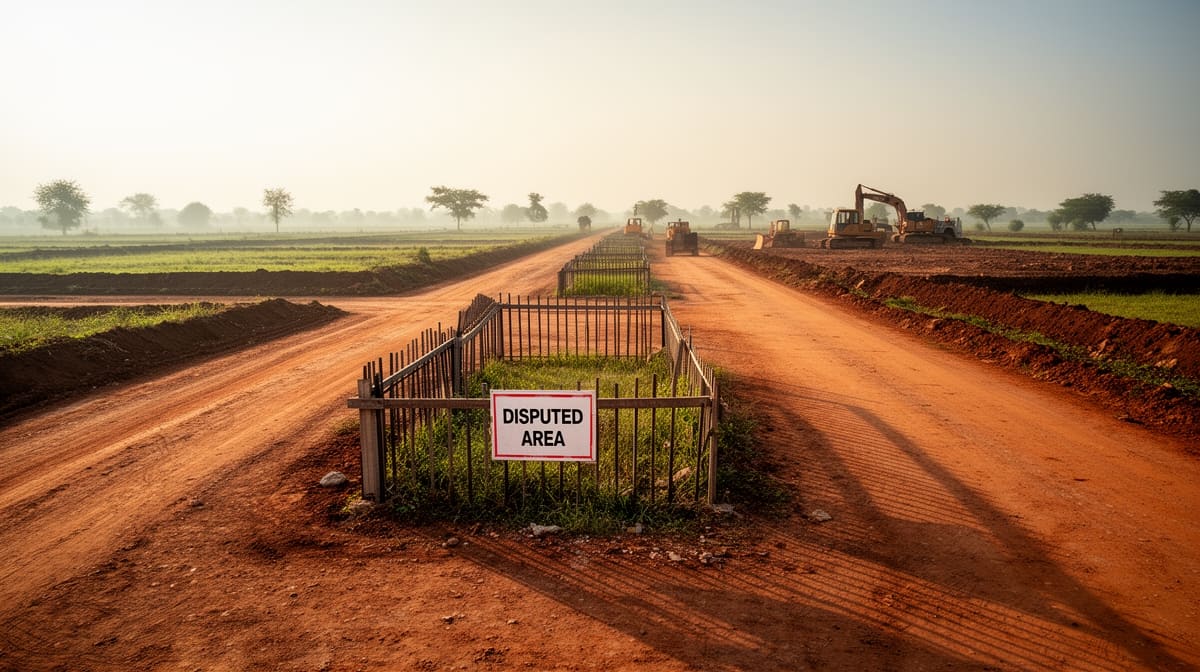
The dispute centers on a contested property in Dehradun, where the appellants, Smt. Harshi Bhtra and another, claim ownership through a duly registered sale deed. They have since obtained map sanction and commenced construction of a multi-story building. The respondents, Smt. Namrata Kalra and others, allege that the construction encroaches upon their land and seek a temporary injunction to halt the work.
Procedural History
- Original Suit No. 117 of 2025: Filed by respondents (plaintiffs) seeking permanent injunction and declaration of title.
- Application 6C-2: Filed under Order 39 Rule 1 and 2 CPC seeking temporary injunction to maintain status quo.
- Order dated 22.12.2025: Civil Judge (Sr. Div.), Dehradun, passed an order directing status quo without examining the three statutory requirements.
- Appeal filed: Challenging the impugned order as legally unsustainable.
Relief Sought
The appellants seek setting aside of the status quo order, arguing that they are in actual possession and have invested substantially in construction. They contend that the lower court’s failure to apply the mandatory tripartite test renders the order illegal.
The Legal Issue
The central question was whether a court may grant a temporary injunction under Order 39 Rule 1 and 2 CPC without expressly examining and recording findings on prima facie case, balance of convenience, and irreparable injury.
Arguments Presented
For the Appellant
Learned counsel argued that the lower court’s order was a mechanical recitation of the parties’ contentions without any judicial evaluation of the three mandatory factors. The appellants, being in actual possession and having invested in construction, would suffer irreparable harm if the injunction were allowed to stand. Reliance was placed on settled precedents requiring a structured analysis before granting interim relief.
For the Respondent
Counsel for respondents conceded that the lower court had not explicitly recorded findings on the three factors. However, they contended that the court’s reference to the pleadings and documents in paragraphs 1 to 24 implicitly satisfied the requirement. They urged the court to uphold the status quo to prevent further encroachment pending final adjudication.
The Court's Analysis
The Court undertook a rigorous review of the impugned order and found it legally defective. While the lower court devoted 24 paragraphs to summarizing the parties’ submissions and documentary evidence, it failed to apply the law. Paragraphs 25 and 26 merely stated that the issues pertained to evidence to be decided at trial and that it "would be justified" to maintain status quo - without any reasoning.
"Without any discussion, status quo order has been passed. The Court further records that the arguments that have been raised pertains to evidence."
The Court emphasized that Order 39 Rule 1 and 2 CPC is not a tool for pre-trial adjudication of title or possession. Its purpose is to preserve the status quo pending trial, but only after satisfying the triple test. The Court clarified that findings at this stage are provisional and do not bind the trial court, but they must still be grounded in legal principles.
The Court rejected the notion that implicit consideration suffices. A judge must explicitly articulate how each of the three factors weighs in favor of or against the injunction. Failure to do so renders the order a nullity, as it deprives the parties of reasoned justice and invites arbitrariness.
The Verdict
The appellants succeeded. The Court set aside the impugned order and remitted the matter to the lower court to decide the application under Order 39 Rule 1 and 2 CPC afresh, after applying the mandatory tripartite test and affording both parties a fair hearing. The court directed expeditious disposal without unnecessary adjournments.
What This Means For Similar Cases
Procedural Compliance Is Non-Negotiable
- Practitioners must now insist that every interim injunction order explicitly state findings on prima facie case, balance of convenience, and irreparable injury.
- Any order lacking this tripartite analysis is liable to be set aside on appeal.
- Drafting applications and objections should now include structured submissions addressing each of the three factors.
Possession Alone Does Not Entitle to Status Quo
- While possession is a relevant factor under balance of convenience, it cannot substitute for legal analysis.
- Courts must weigh whether the party in possession has a prima facie right to it, not merely physical control.
- In construction disputes, investment and statutory compliance (e.g., map sanction) may strengthen a claim to possession but still require judicial evaluation.
Interim Orders Are Not Prejudicial to Final Decree
- The Court reiterated that findings on interim applications do not bind the trial court.
- This allows parties to present full evidence at trial without fear of pre-judgment.
- However, courts must still conduct a rigorous interim analysis to prevent abuse of process or irreparable harm.