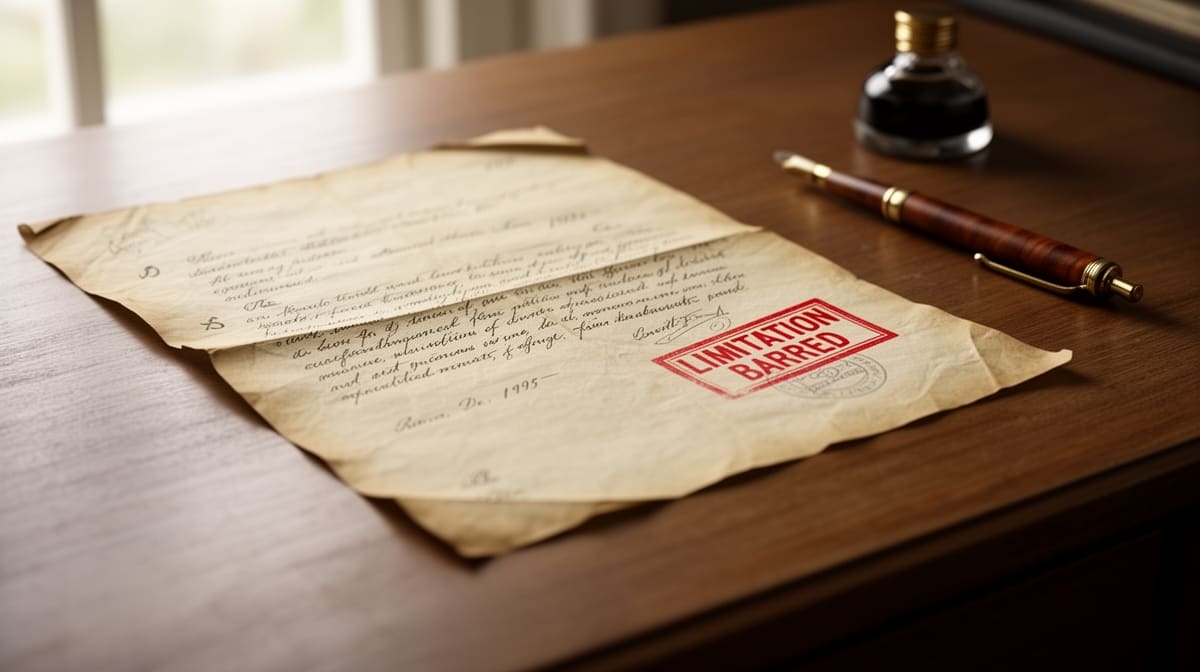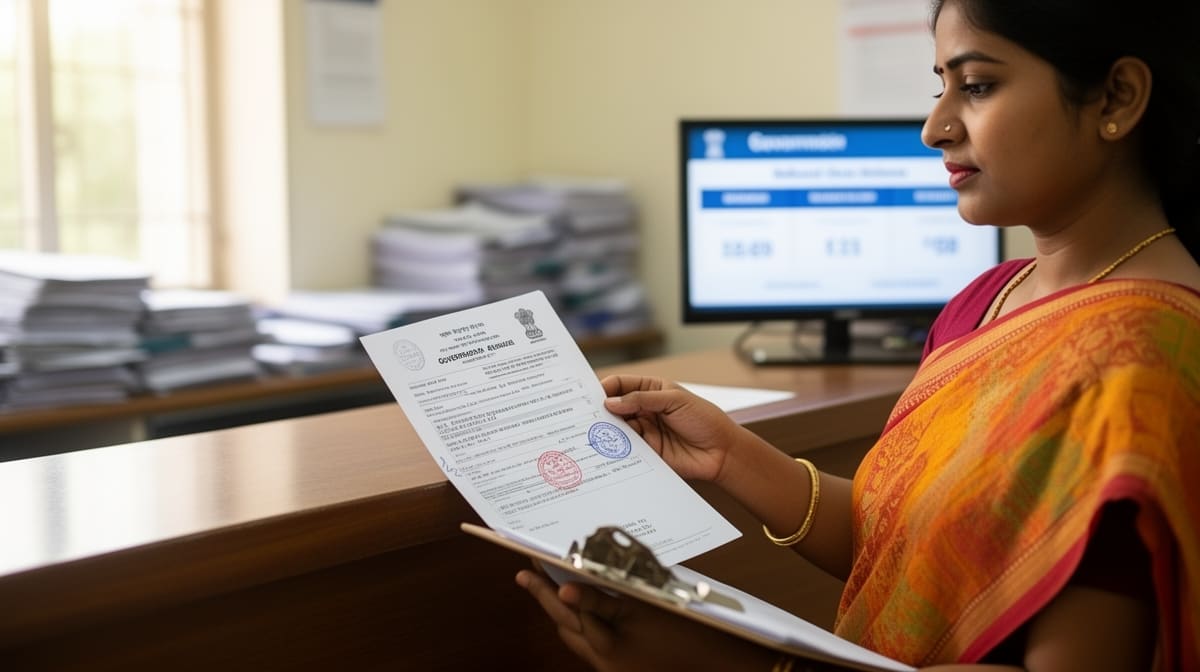
The Punjab and Haryana High Court has reaffirmed the strict limitation period for claiming refund of unused stamp papers under the Indian Stamp Act, 1899. The dismissal of the petitioner’s claim after a two-year delay underscores the judiciary’s commitment to statutory finality and the non-negotiable nature of limitation periods in fiscal matters.
Background & Facts
The Dispute
The petitioner, Kiranwati, purchased stamp papers worth Rs.6,00,000 on 28.12.2023 for the intended purchase of a property. No sale agreement was executed due to failure of the parties to reach a settlement. Consequently, the stamp papers remained unused.
Key Facts
- The petitioner purchased stamp papers on 28.12.2023 for a total value of Rs.6,00,000
- No instrument was executed on the stamp papers
- The petitioner filed an application for refund on 28.04.2025, approximately 16 months after purchase
- The application was accompanied by an affidavit (Annexure P-3)
- Respondent No.2 granted an opportunity of hearing on 25.09.2025 (Annexure P-5)
- The impugned order dated 08.11.2025 (Annexure P-1) rejected the refund claim on grounds of limitation
Procedural History
- 28.12.2023: Petitioner purchased stamp papers worth Rs.6,00,000
- 28.04.2025: Petitioner filed application for refund of unused stamp papers
- 25.09.2025: Hearing granted by Respondent No.2
- 08.11.2025: Respondent No.2 issued order rejecting refund claim under Section 50 of the Indian Stamp Act, 1899
- 30.04.2026: Writ petition (CWP-13231-2026) dismissed by the High Court
Relief Sought
The petitioner sought quashing of the order dated 08.11.2025 and a direction to refund the full value of Rs.6,00,000 for the unused stamp papers.
The Legal Issue
The central question was whether an application for refund of unused stamp papers filed after 16 months, well beyond the six-month statutory period under Section 50 of the Indian Stamp Act, 1899, can be entertained despite the absence of sufficient cause for delay.
Arguments Presented
For the Petitioner
Learned counsel contended that the order rejecting the refund was mechanical and failed to consider the substantive merit of the claim. It was argued that since no transaction occurred and the stamp papers were genuinely unused, equity demanded a refund. The delay, though present, was not mala fide and should not bar relief.
For the Respondent
The State maintained that the claim was time-barred under Section 50(2) of the Indian Stamp Act, which mandates that applications for refund of unused stamp papers must be filed within six months from the date of purchase. The State emphasized that the limitation is not merely procedural but substantive, designed to ensure administrative finality and prevent indefinite claims on public revenue.
The Court's Analysis
The Court examined Sections 49 and 50 of the Indian Stamp Act, 1899, which govern the refund of unused stamp papers. Section 50(2) explicitly provides that where no instrument has been executed, an application for refund must be made within six months from the date of purchase.
"The limitation provided under Section 50(2) of the Act has sanctity behind it which cannot be brushed aside making the provision redundant and nugatory."
The Court noted that the petitioner filed the refund application after 16 months, nearly 10 months beyond the statutory window. No explanation was offered for this inordinate delay, nor was any plea of sufficient cause advanced under Section 5 of the Limitation Act, 1963, which is not applicable to statutory limitations unless expressly permitted.
The Court rejected the argument that equity should override statutory timelines, observing that the legislature deliberately imposed a short limitation period to ensure prompt disposal of refund claims and to prevent the accumulation of stale claims against the exchequer. The Court further held that the opportunity of hearing granted to the petitioner did not alter the legal consequence of the delay.
The Court concluded that the impugned order was legally sound, properly applying the statutory bar, and that no grounds existed to interfere with the administrative decision.
The Verdict
The writ petition was dismissed. The Court upheld the order dated 08.11.2025 rejecting the refund claim. The petitioner’s application for refund of Rs.6,00,000 was barred by limitation under Section 50(2) of the Indian Stamp Act, 1899. No refund was ordered. All pending applications stood disposed of.
What This Means For Similar Cases
Statutory Limitation Is Absolute
- Practitioners must file refund applications for unused stamp papers within six months of purchase
- Delay beyond this period, even if innocent, will not be condoned unless the statute permits extension
- No equitable discretion exists to override this limitation
No Room for Equitable Relief
- Courts will not invoke principles of fairness to circumvent clear statutory deadlines
- The absence of mala fide intent or prejudice to the petitioner is irrelevant
- Administrative convenience and fiscal finality prevail over individual claims
Procedural Compliance Is Non-Negotiable
- Even if a hearing is granted, it does not revive a time-barred claim
- Applications filed after limitation must be rejected outright
- Legal advice must include strict adherence to stamp law timelines when advising clients on property transactions