Topic

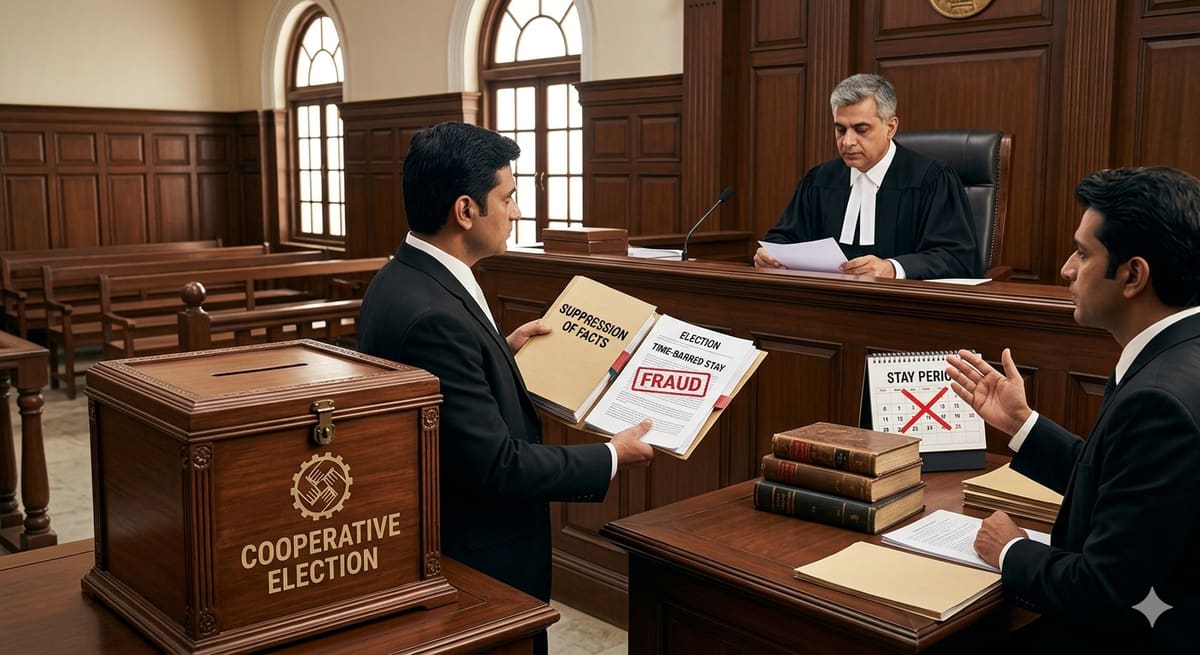
Suppression of Facts

Suppression of facts in Indian law refers to the deliberate concealment of material information that affects legal rights, claims, or judicial decisions across civil, criminal, and administrative proceedings.

23 articlesLatest July 2026
Extended Limitation Period in Service Tax | Fraud or Suppression Must Be Proven : CESTAT Chandigarh
Case Law Analysis
|Custom, Excise & Service Tax Tribunal

Extended Limitation Period in Service Tax | Fraud or Suppression Must Be Proven : CESTAT Chandigarh

CESTAT Chandigarh sets aside service tax demand invoking extended limitation period, ruling that third-party data alone is insufficient to prove suppression or willful default. The decision clarifies that fraud or intentional suppression must be established with concrete evidence to justify the extended period under service tax laws.

Extended Limitation Period Under Service Tax | Fraud or Suppression Must Be Proven : CESTAT Chandigarh
Case Law Analysis
|Custom, Excise & Service Tax Tribunal

Extended Limitation Period Under Service Tax | Fraud or Suppression Must Be Proven : CESTAT Chandigarh

CESTAT Chandigarh sets aside a service tax demand of Rs. 9,22,761 after finding the extended limitation period was invoked without proving fraud or suppression of facts. The ruling clarifies that mere discrepancies in income tax and service tax returns do not suffice to justify extended period demands under Section 73(1) of the Finance Act.

Section 73(1) Finance Act 1994 | Extended Period for Service Tax Demand Invalid Without Proof of Wilful Suppression: CESTAT Chennai
Case Law Analysis
|Custom, Excise & Service Tax Tribunal

Section 73(1) Finance Act 1994 | Extended Period for Service Tax Demand Invalid Without Proof of Wilful Suppression: CESTAT Chennai

CESTAT Chennai rules that the extended period under Section 73(1) of the Finance Act 1994 for service tax demands cannot be invoked without concrete evidence of wilful suppression, fraud, or intent to evade tax. The ruling sets a precedent that mere non-filing or interpretational disputes do not justify extended limitation periods, impacting taxpayers facing retrospective demands.

Extended Limitation Period Not Invocable Without Suppression: CERA Audit Dispute Does Not Constitute Fraudulent Omission | CESTAT Chennai
Case Law Analysis
|Custom, Excise & Service Tax Tribunal

Extended Limitation Period Not Invocable Without Suppression: CERA Audit Dispute Does Not Constitute Fraudulent Omission | CESTAT Chennai

CESTAT Chennai rules that when the tax department itself disputes a CERA audit objection, no suppression of facts exists-even if tax is later demanded-making the extended limitation period inapplicable. This protects taxpayers from retrospective demands based on internal audit disagreements, reinforcing that mere procedural objections don't equate to concealment under Section 73 of the Finance Act, 1994.

Section 5 Limitation Act | Suppression of Knowledge of Order Bars Condonation of Delay : MP HC Upholds Clean Hands Doctrine
Case Law Analysis
|Madhya Pradesh High Court

Section 5 Limitation Act | Suppression of Knowledge of Order Bars Condonation of Delay : MP HC Upholds Clean Hands Doctrine

Madhya Pradesh High Court rules that a party claiming condonation of delay under Section 5 of the Limitation Act must disclose knowledge of the impugned order; suppression of facts defeats equity and justifies dismissal of the petition. The ruling reinforces the clean hands doctrine in property disputes, impacting litigants seeking relief on grounds of delayed knowledge.

Section 11A(4) Central Excise Act | Extended Limitation Inapplicable Where Department Had Full Knowledge of Transactions : CESTAT Principal Bench
Case Law Analysis
|Custom, Excise & Service Tax Tribunal

Section 11A(4) Central Excise Act | Extended Limitation Inapplicable Where Department Had Full Knowledge of Transactions : CESTAT Principal Bench

CESTAT quashes excise demand and penalties, ruling that extended limitation under Section 11A(4) cannot be invoked if the department was fully aware of the transactions. The judgment reaffirms that suppression of facts must be deliberate for extended limitation to apply, impacting tax assessments where transparency exists.

MRTU & PULP Act | Suppression of Immaterial Facts in Compassionate Appointment Application Not Fatal : Bombay HC
Case Law Analysis
|Bombay High Court

MRTU & PULP Act | Suppression of Immaterial Facts in Compassionate Appointment Application Not Fatal : Bombay HC

Bombay High Court rules that minor omissions-such as past contractual engagement or pending FIRs without serious allegations-cannot disqualify a widow from compassionate appointment. The Court reduced backwages from 100% to 30% and directed BEST to appoint the respondent within six weeks, reinforcing that only material suppression affects eligibility.

Suppression of Material Facts in Policy Revival | False Declaration Disentitles Claim Under Life Insurance : NCDRC
Case Law Analysis
|Delhi High Court

Suppression of Material Facts in Policy Revival | False Declaration Disentitles Claim Under Life Insurance : NCDRC

NCDRC rules that suppression of pre-existing tuberculosis and cancer at the time of policy revival constitutes a material misrepresentation, justifying LIC's repudiation of the claim. The ruling reinforces that insurers are not obligated to verify medical history during revival if the insured provides false declarations, protecting insurers from fraudulent claims.

Motor Vehicles Act Section 166 | Insurer Cannot Deny Liability for Suppression Allegations Without Signed Proof of Prior Policy : Chhattisgarh HC
Case Law Analysis
|Chhattisgarh High Court

Motor Vehicles Act Section 166 | Insurer Cannot Deny Liability for Suppression Allegations Without Signed Proof of Prior Policy : Chhattisgarh HC

Insurers under the Motor Vehicles Act cannot escape third-party liability merely by alleging suppression of previous policy dates unless they produce signed, verifiable evidence from the insured. The ruling reinforces that valid policy status on the accident date is decisive, shifting the burden squarely onto insurers to substantiate their defenses - a critical win for claimants in motor accident cases.