Topic

service benefits

Service benefits in Indian law refer to entitlements such as pay scales, retirement age, increments, and regularization rights granted to government employees under service rules and judicial precedents.

39 articlesLatest July 2026
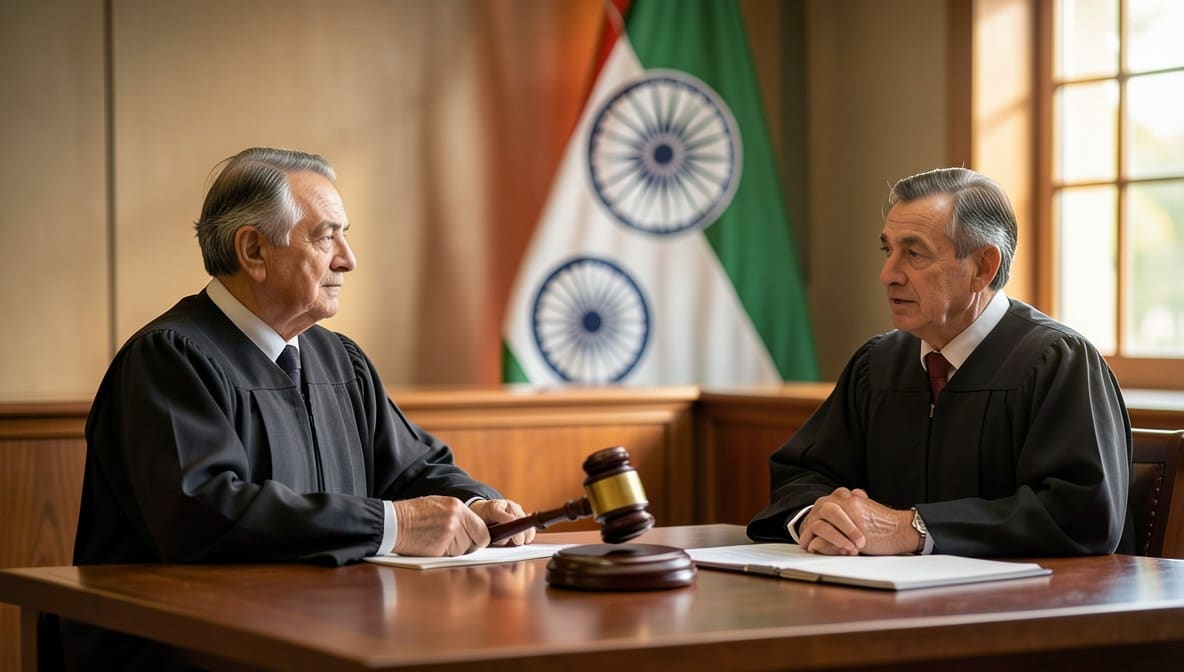
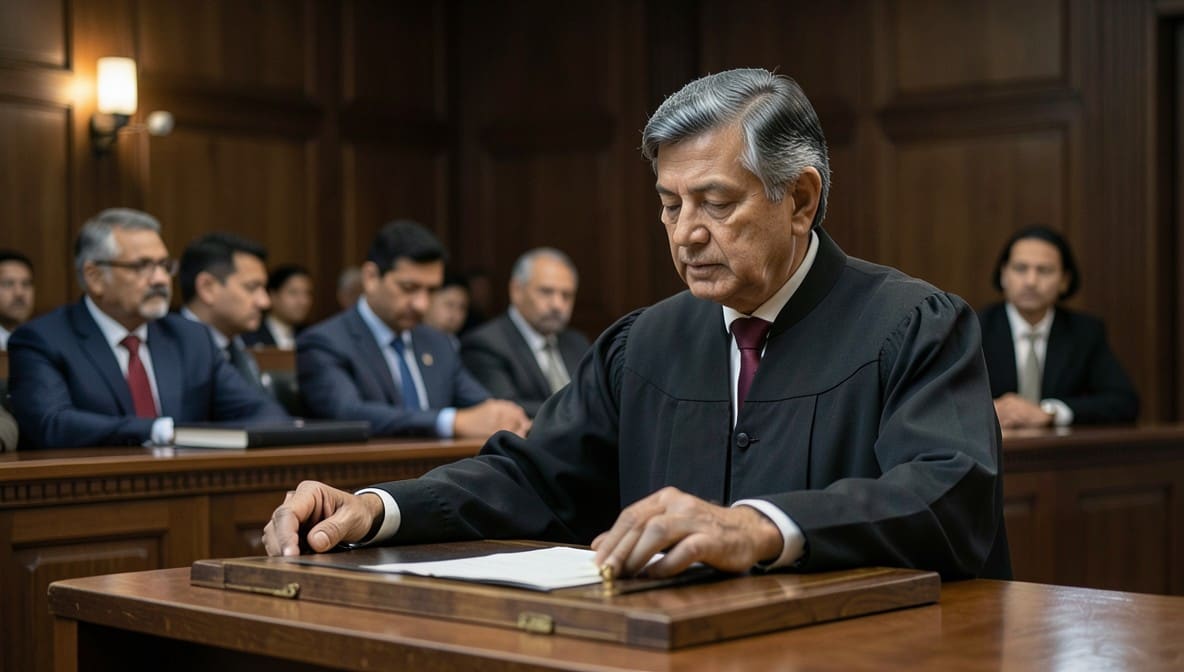
Judicial Stay on Recruitment | Madrasah Appointments Void Without Court Permission Under Article 32 : SC
Case Law Analysis
|Supreme Court of India

Judicial Stay on Recruitment | Madrasah Appointments Void Without Court Permission Under Article 32 : SC

Supreme Court dismisses 49 writ petitions, ruling that appointments in West Bengal madrasahs made during a judicial stay are invalid unless expressly permitted by the Court. The judgment reinforces that recruitment notifications must be strictly followed, and any deviation violates constitutional safeguards under the Madrasah Service Commission Act.

COVID-19 Ex-Gratia Compensation | Rs. 50 Lakh Mandatory for Public-Risk Employees Under Government Resolution : Bombay HC
Case Law Analysis
|Bombay High Court

COVID-19 Ex-Gratia Compensation | Rs. 50 Lakh Mandatory for Public-Risk Employees Under Government Resolution : Bombay HC

Bombay High Court rules that families of government employees who died due to COVID-19 while performing public-facing duties are entitled to Rs. 50 lakh ex-gratia compensation, regardless of uncommunicated orders. The Court also directed reconsideration of compassionate appointments, reinforcing that procedural lapses cannot deny statutory benefits.

Equal Treatment in Service Benefits | Court Must Extend Prior Judgment Benefits to Similarly Situated Employees: Allahabad HC
Case Law Analysis
|Allahabad High Court

Equal Treatment in Service Benefits | Court Must Extend Prior Judgment Benefits to Similarly Situated Employees: Allahabad HC

The Allahabad High Court has ruled that once a judicial precedent grants service benefits to a group of employees based on their initial appointment date, those benefits must be extended to all similarly situated employees, regardless of when they were formally appointed. This reinforces the principle that administrative delays or procedural gaps cannot justify unequal treatment under service law, impacting thousands of ad-hoc appointees across Uttar Pradesh.

RS-CIT Certification Satisfies Computer Proficiency for LDCs Appointed Post-2010 | Type Test Condition Void: Rajasthan HC
Case Law Analysis
|Rajasthan High Court

RS-CIT Certification Satisfies Computer Proficiency for LDCs Appointed Post-2010 | Type Test Condition Void: Rajasthan HC

The Rajasthan High Court has declared that requiring a separate typing test for Lower Division Clerks appointed after July 5, 2010, is illegal, holding that RS-CIT certification fully satisfies the computer proficiency requirement under the amended service rules. This ruling directly impacts thousands of state employees entitled to seniority, promotions, and arrears without additional testing, reinforcing parity in recruitment conditions.

Section 4 Payment of Gratuity Act | 5-Year Continuous Service Mandate Absolute: Karnataka HC Quashes Gratuity Orders for Short-Term Employees
Case Law Analysis
|Karnataka High Court

Section 4 Payment of Gratuity Act | 5-Year Continuous Service Mandate Absolute: Karnataka HC Quashes Gratuity Orders for Short-Term Employees

Karnataka High Court reaffirms that Section 4 of the Payment of Gratuity Act, 1972, strictly requires a minimum of 5 years of continuous service for gratuity eligibility, leaving no room for administrative discretion. The ruling sets aside gratuity orders favoring an employee with only 4 years and 9 months of service, reinforcing statutory compliance over equitable considerations for employers and employees alike.

Article 226 Writ Jurisdiction | Prior Representation to Competent Authority Mandatory Before Invoking High Court: Karnataka HC
Case Law Analysis
|Karnataka High Court

Article 226 Writ Jurisdiction | Prior Representation to Competent Authority Mandatory Before Invoking High Court: Karnataka HC

The Karnataka High Court dismissed a writ petition for regularisation of daily wage employees, ruling that exhaustion of alternative remedies-specifically, prior representation to the competent authority-is a prerequisite for invoking Article 226. The judgment reinforces that extraordinary remedies under writ jurisdiction cannot be sought as a matter of course without first pursuing statutory or administrative redressal.

Hindu Succession Act | Class-I Heirs Exclusively Entitled to Service Benefits; Class-II Heirs Cannot Be Impleaded: Karnataka HC
|Karnataka High Court

Hindu Succession Act | Class-I Heirs Exclusively Entitled to Service Benefits; Class-II Heirs Cannot Be Impleaded: Karnataka HC

The Karnataka High Court ruled that Class-I heirs under the Hindu Succession Act hold exclusive rights to service benefits, barring Class-II heirs like sisters from being impleaded in disputes. This reinforces the statutory hierarchy, impacting inheritance claims in service-related benefits and necessitating strict adherence to legal heir classification.

Section 7(7) Payment of Gratuity Act | 120-Day Appeal Window Is Mandatory, No Extension Beyond: HP HC
Case Law Analysis
|Himachal Pradesh High Court

Section 7(7) Payment of Gratuity Act | 120-Day Appeal Window Is Mandatory, No Extension Beyond: HP HC

The Himachal Pradesh High Court has held that appeals under Section 7(7) of the Payment of Gratuity Act, 1972 must be filed within 120 days-60 days statutory plus 60 days condonable delay-and any delay beyond this period renders the appeal non-maintainable. This reinforces that statutory limitation periods in special enactments like the Gratuity Act are strictly enforceable, affecting employers and beneficiaries alike in gratuity disputes.

Maternity Benefit Act, 26 Weeks Paid Leave | Guest Faculty on Honorarium Entitled to Full Leave Benefits Despite Contractual Status: MP HC Jabalpur
Case Law Analysis
|Madhya Pradesh High Court

Maternity Benefit Act, 26 Weeks Paid Leave | Guest Faculty on Honorarium Entitled to Full Leave Benefits Despite Contractual Status: MP HC Jabalpur

The Madhya Pradesh High Court has ruled that guest faculty hired on honorarium are entitled to 26 weeks of paid maternity leave, rejecting the state's argument that contractual status disqualifies them. This decision extends statutory maternity protections to non-permanent academic workers, affirming that constitutional rights to gender equality and dignified work override formal employment labels.

Compassionate Appointment | Succession Certificate Not Mandatory If Widow Is Nominee in Service Records: Allahabad HC
Case Law Analysis
|Allahabad High Court

Compassionate Appointment | Succession Certificate Not Mandatory If Widow Is Nominee in Service Records: Allahabad HC

The Allahabad High Court has ruled that authorities cannot withhold compassionate appointment of a deceased employee's widow merely for lack of a succession certificate, provided she is already named as nominee in official service records. This sets a critical precedent for administrative efficiency and gender-sensitive welfare implementation in state employment, ensuring widows are not trapped in bureaucratic delays for benefits they are legally entitled to.

Hindu Adoptions and Maintenance Act, 1956 | Registered Adoption Deed Validates Adoptive Status for Compassionate Appointment Despite Prior Unregistered Deed : Allahabad HC
Case Law Analysis
|Allahabad High Court

Hindu Adoptions and Maintenance Act, 1956 | Registered Adoption Deed Validates Adoptive Status for Compassionate Appointment Despite Prior Unregistered Deed : Allahabad HC

A registered adoption deed under the Hindu Adoptions and Maintenance Act, 1956 conclusively establishes adoptive status for the purpose of compassionate appointment in government service, even when an earlier unregistered adoption existed. This ruling affirms that procedural registration, not mere execution, is the decisive factor in recognizing adoptive rights under service law - protecting the claims of adopted children in public employment.

Officiating Charge Salary | Headmaster In-Charge Entitled to Full Post Salary Pending Regularization Under Tripurari Dubey Precedent : Allahabad HC
Case Law Analysis
|Allahabad High Court

Officiating Charge Salary | Headmaster In-Charge Entitled to Full Post Salary Pending Regularization Under Tripurari Dubey Precedent : Allahabad HC

The Allahabad High Court has mandated that headmasters in officiating charge must be paid the full salary of the substantive post, not just the lower-scale pay they were receiving, as per the binding Division Bench ruling in Tripurari Dubey. This ruling enforces pay parity for government employees holding charge of higher posts and sets a six-week deadline for compliance, directly impacting thousands of school staff across Uttar Pradesh.

Assured Career Progression Scheme | Delay in Salary Settlement Cannot Bar Employee from Claiming More Beneficial Upgrade Without Formal Option: HP HC
Case Law Analysis
|Himachal Pradesh High Court

Assured Career Progression Scheme | Delay in Salary Settlement Cannot Bar Employee from Claiming More Beneficial Upgrade Without Formal Option: HP HC

The Himachal Pradesh High Court ruled that government employees cannot be penalized for failing to submit an option form under the ACPS when the state’s own administrative delay in salary processing prevented timely exercise of the right. This upholds substantive justice in public employment, ensuring service benefits are not forfeited due to bureaucratic inertia rather than employee neglect.