Topic

Section 29A

Section 29A of the Arbitration and Conciliation Act, 1996 mandates strict time limits for concluding arbitral proceedings in India, with extensions permitted only under specific conditions.

9 articlesLatest 1 week ago
Section 29A Extension Power Vests in Section 2(1)(e) Court, Not Section 11 Authority; Waiver of Three-Member Tribunal by Conduct : SC
Case Law Analysis
|Supreme Court of India

Section 29A Extension Power Vests in Section 2(1)(e) Court, Not Section 11 Authority; Waiver of Three-Member Tribunal by Conduct : SC

The Supreme Court held that jurisdiction to extend an arbitral mandate under Section 29A lies exclusively with the 'court' defined in Section 2(1)(e), not the Section 11 appointing authority. A party waives its right to a three-member tribunal by twice consenting to a sole arbitrator and participating for 18 months. The IBC moratorium does not bar a corporate debtor from initiating arbitration to recover dues.

Exclusive Jurisdiction Clause Prevails over Statutory Venue for Section 29A Post-Award Extensions | MSME Arbitration before WBMSEFC : Calcutta HC
Case Law Analysis
|Calcutta High Court

Exclusive Jurisdiction Clause Prevails over Statutory Venue for Section 29A Post-Award Extensions | MSME Arbitration before WBMSEFC : Calcutta HC

The Calcutta High Court ruled that an exclusive jurisdiction clause in the arbitration agreement overrides the statutory venue of the West Bengal Micro Small Enterprises Facilitation Council for post-award extensions under Section 29A. This decision limits parties’ ability to seek extensions at the WBMSEFC, reinforcing the primacy of contractual forum selection in MSME arbitrations.

Section 29A Arbitration Act Inapplicable to NH Act Arbitrations | Bombay HC Upholds Validity of Delayed Awards Under Statutory Arbitration
Case Law Analysis
|Bombay High Court

Section 29A Arbitration Act Inapplicable to NH Act Arbitrations | Bombay HC Upholds Validity of Delayed Awards Under Statutory Arbitration

Bombay HC rules that Section 29A of the Arbitration and Conciliation Act does not govern arbitrations under the National Highways Act, as the latter is a self-contained code. Awards passed beyond statutory timelines remain valid if the arbitrator is appointed by designation, not individually, impacting land acquisition compensation disputes under the NH Act.

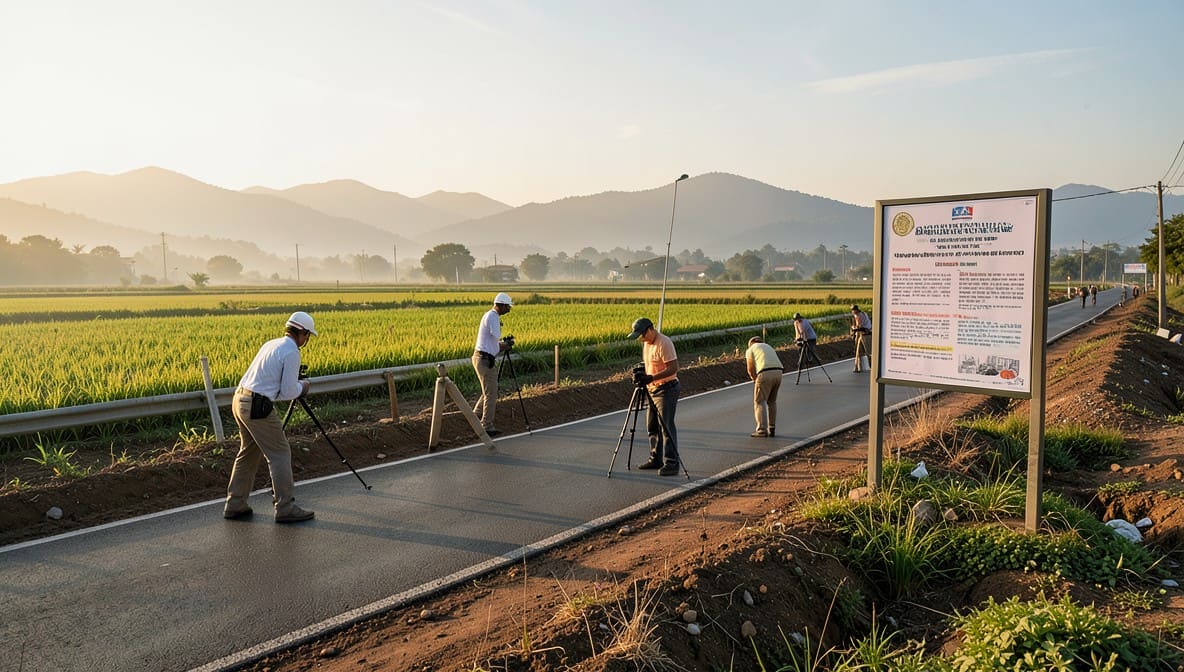
Section 29A Arbitration Act | Statutory Timelines Mandatory: HP HC Directs Arbitrator to Conclude NHAI Land Acquisition Case by 12.09.2026
Case Law Analysis
|Himachal Pradesh High Court

Section 29A Arbitration Act | Statutory Timelines Mandatory: HP HC Directs Arbitrator to Conclude NHAI Land Acquisition Case by 12.09.2026

The Himachal Pradesh High Court ruled that failure to adhere to the 12-month statutory timeline under Section 29A of the Arbitration and Conciliation Act invalidates delays, even without a formal extension request. The court directed the arbitrator to pass the award in the NHAI land acquisition dispute by September 12, 2026, reinforcing arbitrator accountability and the binding nature of statutory deadlines for parties and tribunals alike.

Section 2(1)(e) Arbitration Act | Seat Designation Confers Exclusive Jurisdiction Overriding Territorial Links : Calcutta HC
Case Law Analysis
|Calcutta High Court

Section 2(1)(e) Arbitration Act | Seat Designation Confers Exclusive Jurisdiction Overriding Territorial Links : Calcutta HC

Calcutta High Court rules that contractual designation of the seat of arbitration under Section 2(1)(e) of the Arbitration Act grants exclusive jurisdiction to courts at the seat, superseding objections based on territorial connections or pending stamp duty adjudication. The court also extended the arbitrator's mandate for six months to conclude proceedings, reinforcing the primacy of the seat in determining jurisdiction.