Topic

Section 138 Negotiable Instruments Act

6 articlesLatest July 2026
Section 138 NI Act | Compromise Between Parties Justifies Quashing of Criminal Proceedings Under Section 482 CrPC: Allahabad HC
Case Law Analysis
|Allahabad High Court

Section 138 NI Act | Compromise Between Parties Justifies Quashing of Criminal Proceedings Under Section 482 CrPC: Allahabad HC

The Allahabad High Court has ruled that a genuine compromise in a Section 138 NI Act case, even though non-compoundable, warrants quashing of criminal proceedings under Section 482 CrPC, aligning with Supreme Court precedents that permit settlement in serious offences where public interest is not compromised. This empowers parties to resolve financial disputes without prolonged litigation, reinforcing judicial efficiency and restorative justice in commercial crime cases.

Section 138 NI Act | Handwriting Expert Analysis Permissible to Challenge Statutory Presumption of Authorship : Kerala HC
Case Law Analysis
|Kerala High Court

Section 138 NI Act | Handwriting Expert Analysis Permissible to Challenge Statutory Presumption of Authorship : Kerala HC

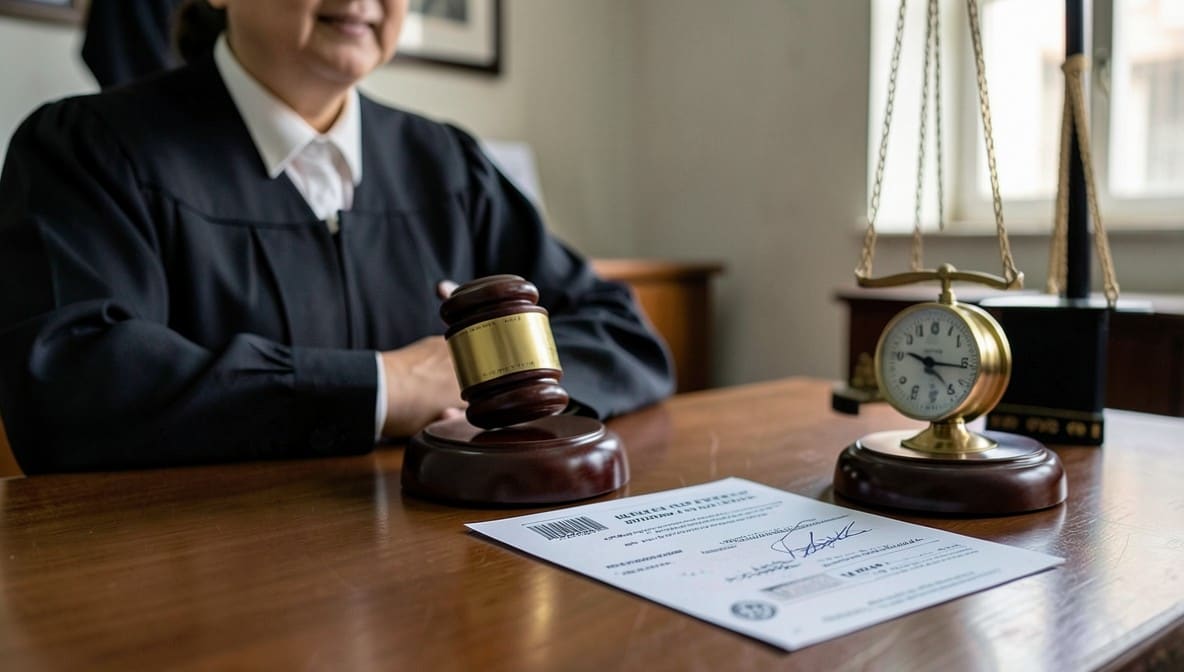
The Kerala High Court has ruled that accused persons in cheque bounce cases under Section 138 of the NI Act may seek handwriting expert analysis to rebut the statutory presumption that they authored the cheque. This clarifies that the presumption is rebuttable and affirms the right to a fair trial by allowing forensic evidence to test the complainant’s allegations, directly impacting defense strategy in financial dispute prosecutions.

Section 138 NI Act | Compounding Post-Conviction Permissible on Compromise & Compensation : Himachal Pradesh HC
Case Law Analysis
|Himachal Pradesh High Court

Section 138 NI Act | Compounding Post-Conviction Permissible on Compromise & Compensation : Himachal Pradesh HC

Himachal Pradesh High Court reaffirms that offences under Section 138 of the Negotiable Instruments Act can be compounded even after conviction if parties reach a settlement. The court acquitted the accused upon payment of Rs. 1,72,000 compensation and Rs. 10,000 litigation costs, emphasizing flexibility in dispute resolution for cheque bounce cases.

Section 138 NI Act | Authorised Signatories of Cooperative Societies Vicariously Liable for Cheque Dishonour : Himachal Pradesh HC
Case Law Analysis
|Himachal Pradesh High Court

Section 138 NI Act | Authorised Signatories of Cooperative Societies Vicariously Liable for Cheque Dishonour : Himachal Pradesh HC

Himachal Pradesh High Court rules that authorised signatories of cooperative societies are vicariously liable under Section 138 of the Negotiable Instruments Act for dishonoured cheques. The judgment clarifies that cooperative societies fall within the ambit of Section 141 NI Act, impacting all such entities and their office-bearers in cheque bounce cases.

Section 156(3) CrPC | Special Statute Remedy Under Section 138 NI Act Bars General Law Investigation: Allahabad HC
Case Law Analysis
|Allahabad High Court

Section 156(3) CrPC | Special Statute Remedy Under Section 138 NI Act Bars General Law Investigation: Allahabad HC

Allahabad High Court rules that where a specific remedy under Section 138 of the Negotiable Instruments Act is available, an aggrieved party cannot bypass it by invoking the general investigation powers under Section 156(3) CrPC. The decision reinforces the principle that special statutes override general procedural laws, impacting cheque dishonour cases nationwide.

Section 138 NI Act | Directors Not Vicariously Liable Without Active Role in Cheque Issuance : Punjab & Haryana HC
Case Law Analysis
|Punjab and Haryana High Court

Section 138 NI Act | Directors Not Vicariously Liable Without Active Role in Cheque Issuance : Punjab & Haryana HC

Punjab & Haryana High Court rules that directors cannot be held liable under Section 138 of the Negotiable Instruments Act merely by virtue of their position. Liability attaches only if they were actively involved in the company's affairs or the cheque's issuance, and resignation before the cheque date absolves them entirely. This clarifies the scope of vicarious liability for directors in cheque bounce cases.