Topic

right to appeal

The right to appeal in Indian law allows parties to challenge lower court decisions in higher courts, with specific provisions under CrPC, BNSS, and special statutes governing timelines and eligibility.

9 articlesLatest July 2026
Section 5 Limitation Act | 12-Day Delay in Quasi-Criminal Appeal Must Be Condoned on Merits: MP HC
Case Law Analysis
|Madhya Pradesh High Court

Section 5 Limitation Act | 12-Day Delay in Quasi-Criminal Appeal Must Be Condoned on Merits: MP HC

Madhya Pradesh High Court sets aside dismissal of a criminal appeal under Section 138 NI Act solely on a 12-day delay, emphasizing that quasi-criminal matters demand a liberal approach to condonation. The ruling mandates merits hearing where delay is minimal and attributable to rural ignorance or procedural lapses, reinforcing access to justice in statutory appeals.


Retrospective Effect of Government Orders | Kerala HC Rules 25% Stamp Duty Deposit Condition Not Applicable to Pre-2020 Appeals : Kerala HC
Case Law Analysis
|Kerala High Court

Retrospective Effect of Government Orders | Kerala HC Rules 25% Stamp Duty Deposit Condition Not Applicable to Pre-2020 Appeals : Kerala HC

Kerala High Court holds that a 2020 Government Order mandating a 25% stamp duty deposit for appeals cannot be applied retrospectively to orders passed in 2018. The ruling reinforces the principle that procedural conditions affecting the right to appeal cannot be imposed retroactively, impacting litigants challenging pre-2020 stamp duty demands.

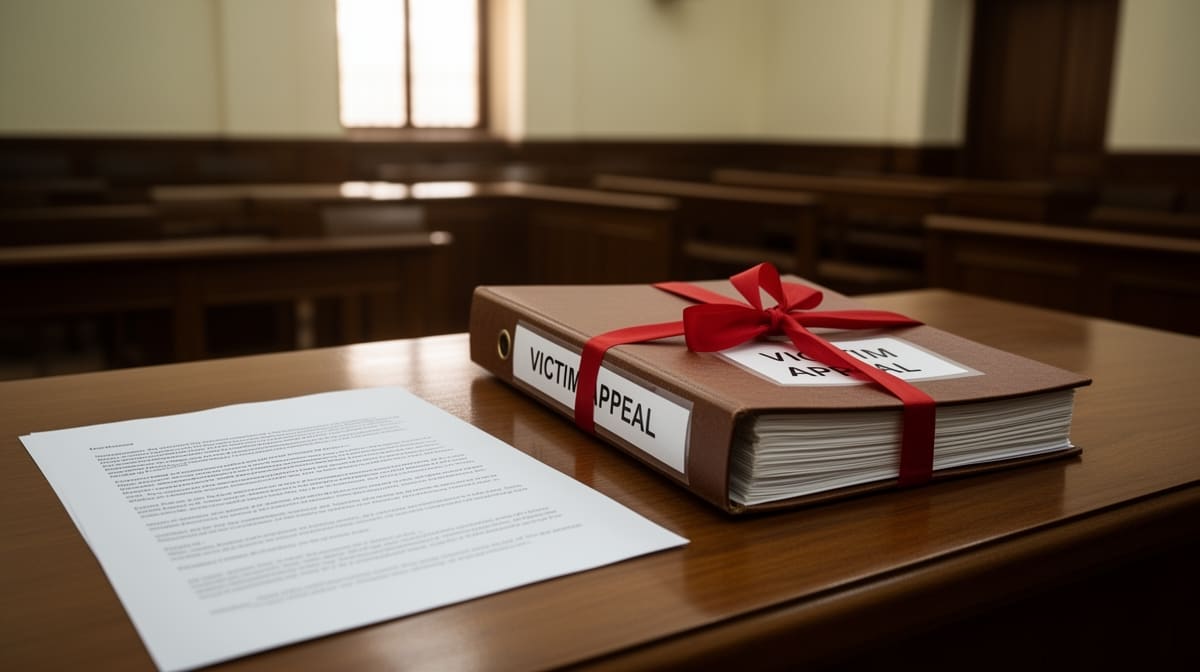
Section 372 CrPC | Victim’s Right to Appeal Acquittal Directly to Sessions Court is Absolute: Punjab & Haryana HC Overrules Prior Leave Requirement
Case Law Analysis
|Punjab and Haryana High Court

Section 372 CrPC | Victim’s Right to Appeal Acquittal Directly to Sessions Court is Absolute: Punjab & Haryana HC Overrules Prior Leave Requirement

Punjab & Haryana High Court holds that victims may appeal acquittals under Section 372 CrPC without seeking special leave, aligning their rights with those of the accused. The ruling eliminates procedural barriers, empowering victims to challenge acquittals directly before the Sessions Court, marking a significant shift in criminal procedure.

Section 16 Maintenance and Welfare of Parents and Senior Citizens Act | Children May Appeal Maintenance Orders Within Two Weeks; Tribunal Must Register Appeal : Bombay HC
Case Law Analysis
|Bombay High Court

Section 16 Maintenance and Welfare of Parents and Senior Citizens Act | Children May Appeal Maintenance Orders Within Two Weeks; Tribunal Must Register Appeal : Bombay HC

The Bombay High Court has ruled that children and relatives can file appeals against maintenance orders under the 2007 Act, and appellate tribunals are obligated to register such appeals if filed within two weeks. This clarifies a critical procedural safeguard for dependents facing financial liability, reinforcing natural justice in senior citizen maintenance proceedings.

Section 413 BNSS Proviso | Victim in Food Adulteration Private Complaint Can Appeal Acquittal Without Special Leave : MP HC
Case Law Analysis
|Madhya Pradesh High Court

Section 413 BNSS Proviso | Victim in Food Adulteration Private Complaint Can Appeal Acquittal Without Special Leave : MP HC

Madhya Pradesh High Court extends the Supreme Court's Celestium Financial ruling to food adulteration cases, holding that victims filing private complaints under the Prevention of Food Adulteration Act can appeal acquittals under BNSS Section 413 proviso without seeking special leave. The decision reinforces victim rights in quasi-criminal prosecutions beyond NI Act offences.

Section 4-A Telangana Assigned Lands Act | Mandatory Appeal Period Before Eviction Orders : Telangana HC Upholds Procedural Fairness
Case Law Analysis
|Telangana High Court

Section 4-A Telangana Assigned Lands Act | Mandatory Appeal Period Before Eviction Orders : Telangana HC Upholds Procedural Fairness

Telangana High Court suspends a resumption order under the Telangana Assigned Lands Act, 1977, ruling that eviction cannot proceed without allowing a 45-day appeal period under Section 4-A. The judgment reinforces that administrative actions affecting land rights must comply with natural justice principles, ensuring affected parties have an opportunity to challenge orders before dispossession.

BNSS Section 438 | Jail Incarceration Without Legal Aid Justifies Liberal Delay Condonation in Criminal Appeals : Telangana HC
Case Law Analysis
|Telangana High Court

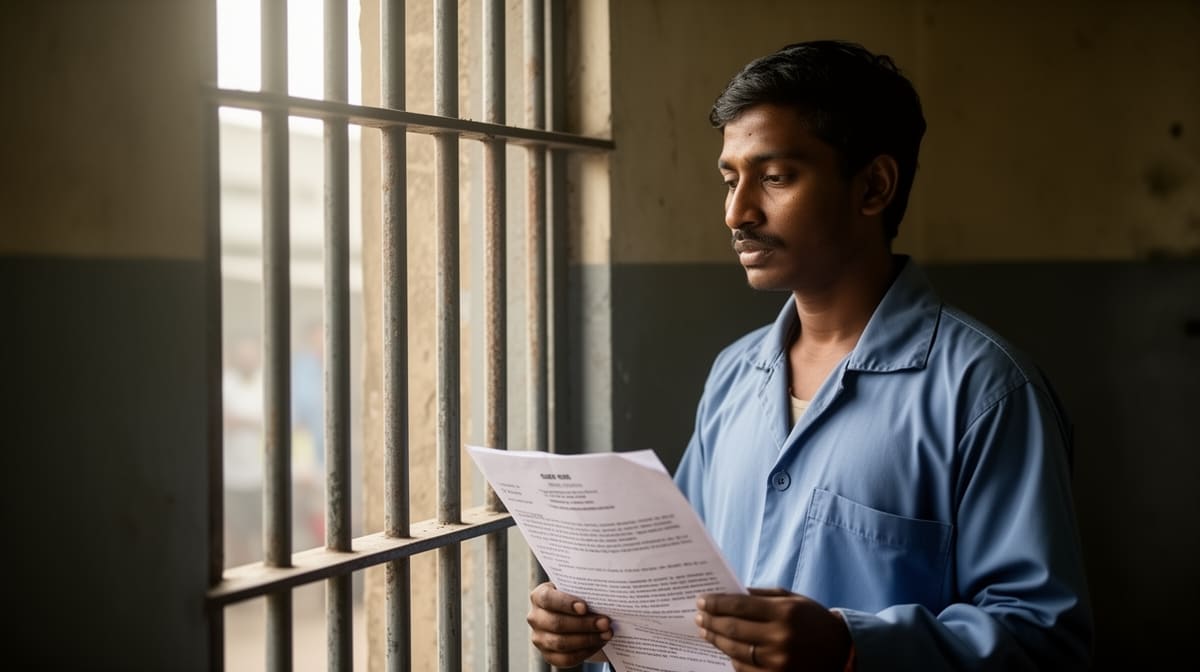
BNSS Section 438 | Jail Incarceration Without Legal Aid Justifies Liberal Delay Condonation in Criminal Appeals : Telangana HC

Telangana High Court condoned a 180-day delay in filing a criminal appeal, holding that systemic deprivation of legal aid for an incarcerated accused constitutes sufficient cause under BNSS. The ruling reinforces the right to appeal as a fundamental liberty under Article 21, mandating liberal condonation where access to justice is structurally denied.