Topic

quash FIR

Quashing an FIR in Indian law refers to the judicial cancellation of a criminal complaint before trial, typically under Section 482 of the CrPC or similar provisions, when it lacks legal grounds or amounts to an abuse of process.

16 articlesLatest September 2026
Quashing of FIR under Section 406 IPC & 3(2)(va) Atrocities Act | Evidentiary Thresholds for Abetment of Suicide : GHC
Case Law Analysis
|Gujarat High Court

Quashing of FIR under Section 406 IPC & 3(2)(va) Atrocities Act | Evidentiary Thresholds for Abetment of Suicide : GHC

The Gujarat High Court quashed the FIR alleging abetment of suicide under Section 406 IPC and a breach of trust under Section 3(2)(va) Atrocities Act, finding the prosecution failed to meet the evidentiary threshold for abetment. The ruling clarifies that mere financial assistance is insufficient without proof of intent to facilitate suicide, safeguarding individuals from wrongful charges.


Civil commercial oil-supply dispute not a criminal offence; FIR under Sections 420/406 IPC quashed | Calcutta HC
Case Law Analysis
|Calcutta High Court

Civil commercial oil-supply dispute not a criminal offence; FIR under Sections 420/406 IPC quashed | Calcutta HC

The Calcutta High Court ruled that a dispute over unpaid industrial oil supplies is a civil matter, so the criminal case under Sections 420 and 406 IPC was dismissed. This clarifies that commercial payment conflicts cannot be pursued as cheating or criminal breach of trust without clear criminal intent, safeguarding businesses from misuse of criminal law.

Section 482 BNSS | POCSO Proceedings Quashed After Voluntary Compromise Between Accused and Minor Victim : MP HC Indore
Case Law Analysis
|Madhya Pradesh High Court

Section 482 BNSS | POCSO Proceedings Quashed After Voluntary Compromise Between Accused and Minor Victim : MP HC Indore

MP High Court invokes inherent jurisdiction under Section 482 BNSS to quash POCSO proceedings where the victim (17) and accused (21) entered a voluntary compromise, verified by the Principal Registrar. The ruling reinforces that courts may intervene to prevent judicial futility, even in special statutes, when parties resolve disputes amicably without coercion.

Section 299 BNS | Political Speech Using Religious Epithets Requires Factual Inquiry, Not Automatic Criminalization : Chhattisgarh HC
Case Law Analysis
|Chhattisgarh High Court

Section 299 BNS | Political Speech Using Religious Epithets Requires Factual Inquiry, Not Automatic Criminalization : Chhattisgarh HC

Chhattisgarh High Court rules that calling a political rival a 'Guru Ghantaal' in a WhatsApp group does not prima facie attract Section 299 BNS without proof of deliberate religious insult. The court emphasizes that political disputes must be distinguished from offences against religious sentiments, mandating investigation over premature quashing of FIRs.

Section 306 IPC | Mere Loan Recovery Pressure Without Overt Instigation Insufficient for Abetment of Suicide: Bombay HC Quashes FIR
Case Law Analysis
|Bombay High Court

Section 306 IPC | Mere Loan Recovery Pressure Without Overt Instigation Insufficient for Abetment of Suicide: Bombay HC Quashes FIR

Bombay High Court rules that financial pressure from loan recovery, without direct instigation or conduct driving the deceased to suicide, does not constitute abetment under Section 306 IPC. The judgment sets a threshold for proving active abetment, impacting criminal liability in similar cases involving financial disputes.

Section 106 BNS | Designation Alone Insufficient for Corporate Liability; Prima Facie Case Established by Systemic Safety Failures : Chhattisgarh HC
Case Law Analysis
|Chhattisgarh High Court

Section 106 BNS | Designation Alone Insufficient for Corporate Liability; Prima Facie Case Established by Systemic Safety Failures : Chhattisgarh HC

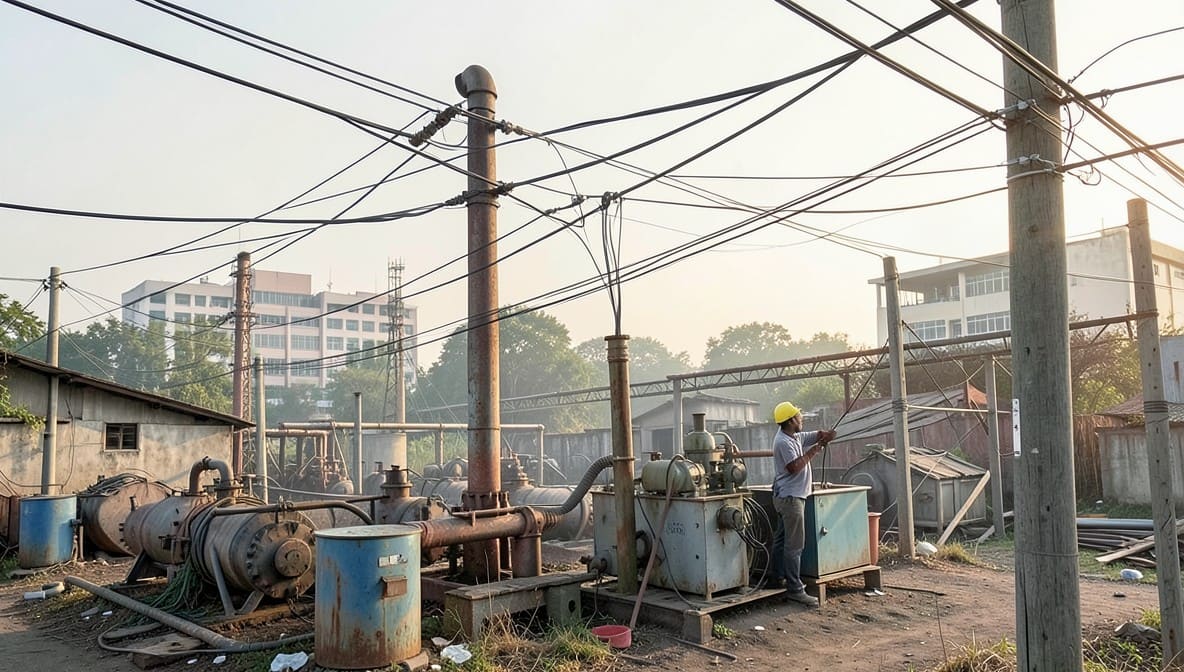
The Chhattisgarh High Court ruled that merely naming a director under Section 106 BNS without specific allegations of involvement is inadequate, but when systemic safety failures are documented - such as unguarded high-voltage wiring and unchecked work practices - a prima facie case of negligence arises. This sets a critical precedent for holding corporate leadership accountable not by title, but by demonstrable oversight failures in workplace safety.

Prevention of Corruption Act Section 7 | No Prosecution Without Direct Evidence of Bribe Demand or Acceptance; Third-Party Conduct Insufficient : Bombay HC (Nagpur Bench)
Case Law Analysis
|Bombay High Court

Prevention of Corruption Act Section 7 | No Prosecution Without Direct Evidence of Bribe Demand or Acceptance; Third-Party Conduct Insufficient : Bombay HC (Nagpur Bench)

The Bombay High Court quashed corruption charges against a public servant where the alleged bribe was only requested by a third party, holding that the Prevention of Corruption Act requires concrete evidence of direct demand or acceptance by the official. This ruling reinforces that mere referral or administrative inaction cannot substitute for the essential elements of bribery under Section 7, protecting public servants from baseless allegations rooted in third-party malice or misunderstanding.

Section 406 IPC | Commercial Sale Transactions Without Entrustment or Dishonest Intent Do Not Constitute Criminal Breach of Trust : Bombay HC
Case Law Analysis
|Bombay High Court

Section 406 IPC | Commercial Sale Transactions Without Entrustment or Dishonest Intent Do Not Constitute Criminal Breach of Trust : Bombay HC

The Bombay High Court has held that mere failure to remit proceeds from a commercial sale, even with dishonored cheques and disputed invoices, cannot trigger criminal liability under Section 406 IPC absent clear evidence of entrustment and initial dishonest intent. This ruling shields bona fide traders from criminalization of civil disputes, reinforcing the boundary between contractual breaches and criminal misappropriation.

BNS Section 296 | Prosecution for Obstruction of Police Requires Proof of Lawful Duty; Absence of Written Authorization Vitiates FIR : Chhattisgarh HC
Case Law Analysis
|Chhattisgarh High Court

BNS Section 296 | Prosecution for Obstruction of Police Requires Proof of Lawful Duty; Absence of Written Authorization Vitiates FIR : Chhattisgarh HC

The Chhattisgarh High Court has ruled that police officers must demonstrate lawful duty under BNS 2023 to prosecute obstruction, and mere verbal instructions without formal authorization render the FIR unsustainable. This sets a critical precedent for accountability in law enforcement actions, protecting citizens from arbitrary use of criminal process under the new penal code.

Section 69 BNS | Consent in Pre-Existing Relationship Does Not Invalidate Prima Facie Case for Sexual Offence: Chhattisgarh HC
Case Law Analysis
|Chhattisgarh High Court

Section 69 BNS | Consent in Pre-Existing Relationship Does Not Invalidate Prima Facie Case for Sexual Offence: Chhattisgarh HC

The Chhattisgarh High Court has ruled that even where a consensual relationship exists prior to the complaint, it cannot be used to quash an FIR under Section 69 of the Bharatiya Nyaya Sanhita. The court emphasized that consent, delay, or prior acquittal in unrelated matters do not negate the prosecution’s prima facie case - trial remains the sole forum to examine credibility and intent, reinforcing that statutory sexual offences demand full evidentiary scrutiny.

Section 482 CrPC | Custodial Confession Without Corroboration or Independent Evidence Abuses Process: Chhattisgarh HC Quashes FIR
Case Law Analysis
|Chhattisgarh High Court

Section 482 CrPC | Custodial Confession Without Corroboration or Independent Evidence Abuses Process: Chhattisgarh HC Quashes FIR

Chhattisgarh High Court rules that a prosecution relying solely on a custodial confession-without independent evidence or recovery-violates fair trial principles and constitutes abuse of process under Section 482 CrPC. The judgment underscores that co-accused statements made in police custody lack evidentiary value unless corroborated by material proof, setting a precedent for safeguarding accused rights in criminal proceedings.