Topic

Purposive Interpretation

7 articlesLatest July 2026
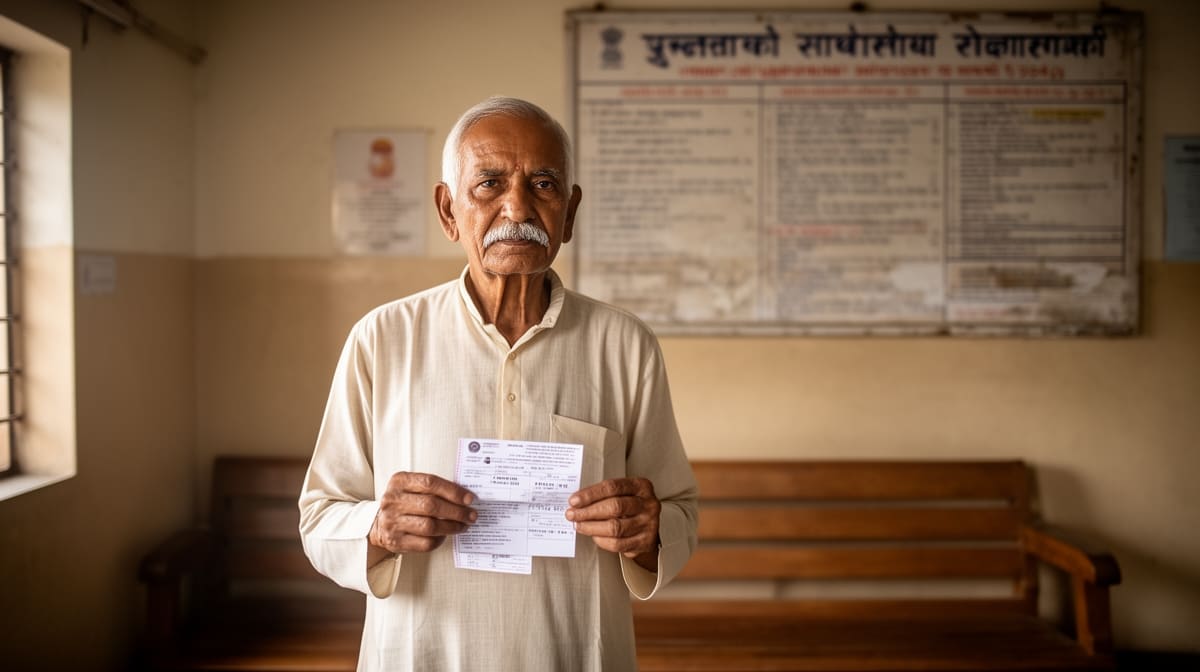
Section 125 CrPC | Purposive Interpretation Allows Maintenance Despite Lack of Strict Marriage Proof : Allahabad HC
Case Law Analysis
|Allahabad High Court

Section 125 CrPC | Purposive Interpretation Allows Maintenance Despite Lack of Strict Marriage Proof : Allahabad HC

Allahabad High Court rules that maintenance under Section 125 CrPC cannot be denied solely due to lack of strict marriage proof if cohabitation, childbirth, and attempted marriage are admitted. The Court emphasizes a purposive interpretation of maintenance laws, remanding the case for fresh adjudication while mandating compliance with Rajnesh v. Neha affidavit guidelines.

Retrospective Jurisdictional Amendments | Legislative Competence Curtailed to Protect Vested Rights : Karnataka HC Reads Down Amendment
Case Law Analysis
|Karnataka High Court

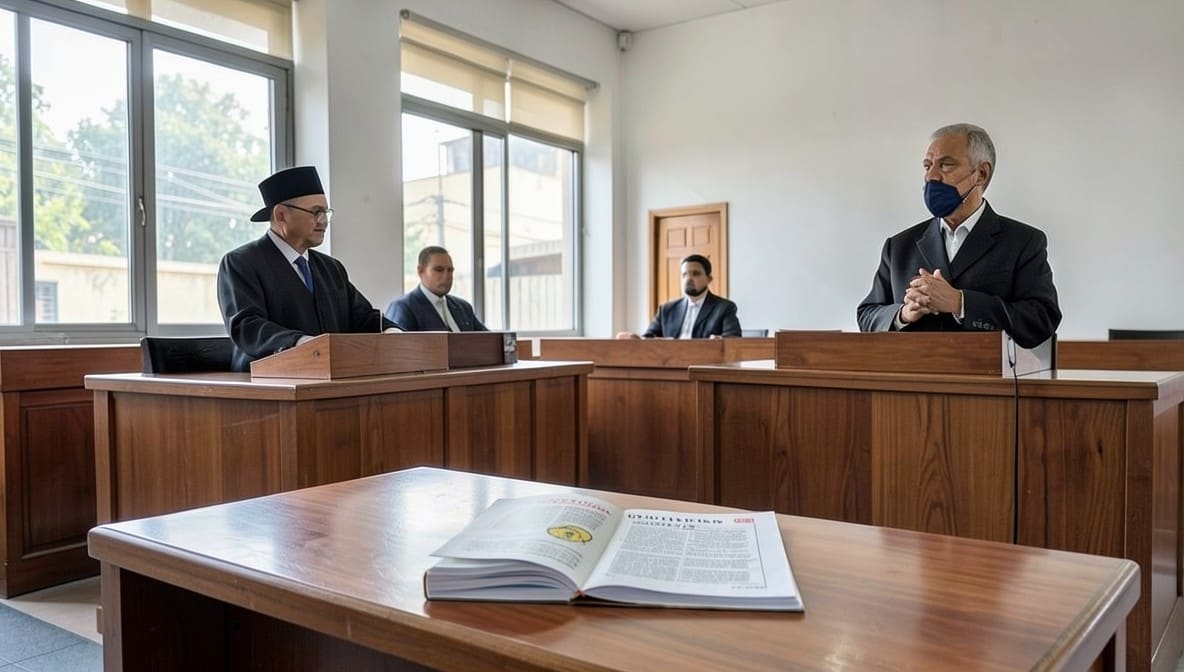
Retrospective Jurisdictional Amendments | Legislative Competence Curtailed to Protect Vested Rights : Karnataka HC Reads Down Amendment

Karnataka High Court upholds the constitutional validity of amendments altering civil courts' appellate jurisdiction but restricts their retrospective effect to exclude concluded proceedings. The ruling ensures pending appeals are transferred to District Courts while safeguarding vested rights, setting a precedent for balancing legislative intent with judicial protection of accrued legal entitlements.

ELFA Diagnostic Kits Qualify as ELISA for Customs Duty Exemption Under Notification No. 50/2017-Cus : CESTAT Chennai
Case Law Analysis
|Custom, Excise & Service Tax Tribunal

ELFA Diagnostic Kits Qualify as ELISA for Customs Duty Exemption Under Notification No. 50/2017-Cus : CESTAT Chennai

CESTAT Chennai ruled that ELFA diagnostic kits, operating on the ELISA principle, are eligible for concessional customs duty under Notification No. 50/2017-Cus, overturning a ₹68.20 crore demand. The decision underscores purposive interpretation of tax laws to accommodate technological advancements in diagnostic methods, impacting importers of similar medical devices.

SEZ Act Notification 12/2013-ST | Refund Cannot Be Denied for Procedural Invoice Defects When Authorized Use Is Proven : CESTAT Hyderabad
Case Law Analysis
|Custom, Excise & Service Tax Tribunal

SEZ Act Notification 12/2013-ST | Refund Cannot Be Denied for Procedural Invoice Defects When Authorized Use Is Proven : CESTAT Hyderabad

CESTAT Hyderabad rules that technical invoice flaws - such as mismatched addresses or missing originals - cannot override a SEZ unit’s substantiated claim for service tax refund, provided the services were received, paid for, and used in authorized operations. This reinforces the principle of purposive interpretation in SEZ incentives, protecting genuine beneficiaries from bureaucratic overreach.

Section 2(i) THOTA 1994 | Mother-in-Law Qualifies as 'Near Relative' for Organ Swap Under Purposive Interpretation : Punjab & Haryana HC
Case Law Analysis
|Punjab and Haryana High Court

Section 2(i) THOTA 1994 | Mother-in-Law Qualifies as 'Near Relative' for Organ Swap Under Purposive Interpretation : Punjab & Haryana HC

The Punjab & Haryana High Court has ruled that a mother-in-law qualifies as a 'near relative' under Section 2(i) of the Transplantation of Human Organs and Tissues Act, 1994, enabling life-saving kidney swaps when biological compatibility fails. This purposive interpretation prioritizes humanitarian outcomes over literal statutory limits, setting a precedent for family-based organ donation networks across India.

6th Central Pay Commission | Pre-2006 Retirees Entitled to Minimum Pension of Rs. 9,230/- : CAT Patna Upholds Non-Discrimination Principle
Case Law Analysis
|Central Administrative Tribunal

6th Central Pay Commission | Pre-2006 Retirees Entitled to Minimum Pension of Rs. 9,230/- : CAT Patna Upholds Non-Discrimination Principle

CAT Patna rules that pre-2006 retirees must receive a minimum pension of Rs. 9,230/- under the 6th Central Pay Commission, rejecting arbitrary differentiation. The tribunal affirms that pension policy must be interpreted purposively to ensure parity, directing payment of arrears from 01.01.2006 for affected retirees.