Topic

Party Autonomy

Party autonomy in Indian arbitration law refers to the principle that parties to a dispute may freely determine the terms of their arbitration agreement, including the appointment of arbitrators and procedural rules.

15 articlesLatest 2 weeks ago
Arbitration and Conciliation Act, Section 34 | Termination Payment Enforceable Under BOT Contract Even Without Explicit Claim : SC
Case Law Analysis
|Supreme Court of India

Arbitration and Conciliation Act, Section 34 | Termination Payment Enforceable Under BOT Contract Even Without Explicit Claim : SC

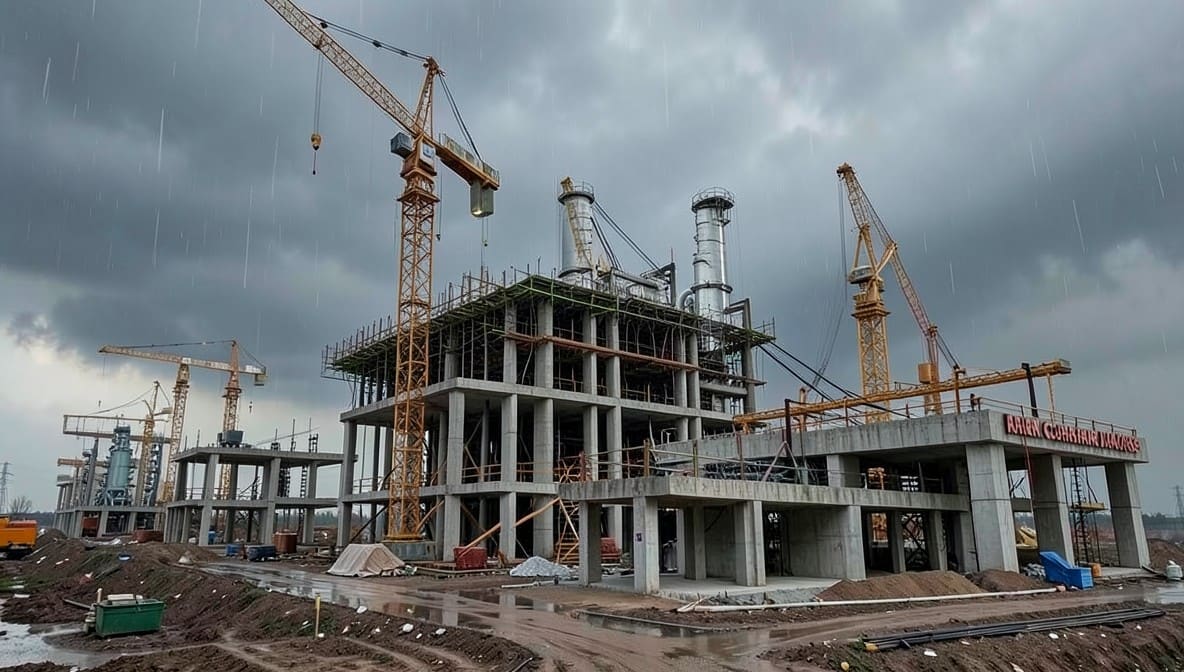
The Supreme Court upholds an arbitral award for termination payment under a BOT concession agreement, ruling that contractual obligations can be enforced based on implied intent and performance, even if not expressly pleaded. This reinforces party autonomy and narrows judicial review under Section 34, setting a critical precedent for infrastructure arbitrations across public-private partnerships.

Section 20(1) & Clause 17.5 Arbitration Act | Exclusive Jurisdiction Clause Designates New Delhi as Seat, Ousting Commercial Court at Noida : Allahabad HC
Case Law Analysis
|Allahabad High Court

Section 20(1) & Clause 17.5 Arbitration Act | Exclusive Jurisdiction Clause Designates New Delhi as Seat, Ousting Commercial Court at Noida : Allahabad HC

The Allahabad High Court has ruled that an exclusive jurisdiction clause designating New Delhi as the sole forum for disputes overrides the mere designation of New Delhi/Noida as arbitration venue, establishing New Delhi as the legal seat. This clarifies that party autonomy in choosing jurisdiction trumps geographic convenience, binding future arbitration agreements to enforce seat over venue - a critical precedent for corporate contracts with multi-city operations.

Section 11 Arbitration Act | Party Autonomy Bars Post-Appointment Tribunal Challenges Based on Contractual Interpretation : Allahabad HC
|Allahabad High Court

Section 11 Arbitration Act | Party Autonomy Bars Post-Appointment Tribunal Challenges Based on Contractual Interpretation : Allahabad HC

Allahabad High Court rules that once an arbitral tribunal is constituted under Section 11, parties cannot later challenge its composition based on contractual clauses not raised during appointment. The court held that waiver under Section 4 of the Arbitration Act precludes post-appointment review, reinforcing party autonomy in arbitration proceedings.

Section 20 Arbitration Act | Silence & Participation Amount to Consent for Unilateral Venue Designation : Calcutta HC
|Calcutta High Court

Section 20 Arbitration Act | Silence & Participation Amount to Consent for Unilateral Venue Designation : Calcutta HC

Calcutta High Court rules that a party's silence after notice and participation in arbitration proceedings before a designated court constitutes implied consent under Section 20 of the Arbitration and Conciliation Act. The judgment reinforces party autonomy, allowing unilateral venue designation where the opposing party does not object and engages in the process.

Section 7 Arbitration Act | Use of 'Can' in Arbitration Clause Indicates Permissive, Not Mandatory, Dispute Resolution : SC
Case Law Analysis
|Supreme Court of India

Section 7 Arbitration Act | Use of 'Can' in Arbitration Clause Indicates Permissive, Not Mandatory, Dispute Resolution : SC

The Supreme Court holds that arbitration clauses using the word 'can' express possibility, not obligation, and therefore fail to satisfy the mandatory language required under Section 7 of the Arbitration and Conciliation Act, 1996. This clarifies that party autonomy demands unequivocal intent - businesses must draft arbitration clauses with 'shall' or 'must' to ensure enforceability, affecting thousands of commercial contracts with ambiguous dispute resolution language.

Section 11(6) A&C Act Maintainable for Non-Works Contract Disputes | Digitization Services Excluded from MP Arbitration Tribunal Jurisdiction : MP HC
Case Law Analysis
|Madhya Pradesh High Court

Section 11(6) A&C Act Maintainable for Non-Works Contract Disputes | Digitization Services Excluded from MP Arbitration Tribunal Jurisdiction : MP HC

Madhya Pradesh High Court clarifies that disputes arising from digitization service agreements do not qualify as 'works contracts' under the MP Madhyastham Adhikaran Adhiniyam, 1983, allowing parties to seek arbitrator appointment under Section 11(6) of the Arbitration and Conciliation Act, 1996. The ruling reinforces party autonomy in arbitration agreements outside the statutory tribunal's scope.

Section 11(4) Arbitration and Conciliation Act | Co-Arbitrators May Appoint Presiding Arbitrator After 30 Days If Parties Fail to Agree : Supreme Court
Case Law Analysis
|Supreme Court of India

Section 11(4) Arbitration and Conciliation Act | Co-Arbitrators May Appoint Presiding Arbitrator After 30 Days If Parties Fail to Agree : Supreme Court

The Supreme Court reaffirms that under Section 11(4), if parties fail to jointly appoint a presiding arbitrator within 30 days, the two party-appointed arbitrators retain the authority to make the appointment - reinforcing party autonomy and closing the door to procedural delays disguised as jurisdictional challenges. This clarifies a critical pathway for tribunal constitution in domestic arbitrations, benefiting commercial parties and arbitrators alike.

Enforcement of Foreign Arbitral Awards Under Section 48 of Arbitration Act | Party Autonomy Overrides Conflicting Clauses : Bombay High Court
Case Law Analysis
|Bombay High Court

Enforcement of Foreign Arbitral Awards Under Section 48 of Arbitration Act | Party Autonomy Overrides Conflicting Clauses : Bombay High Court

The Bombay High Court enforced five foreign arbitral awards despite conflicting arbitration clauses, holding that party autonomy and commercial pragmatism prevail over technical defects under Section 48 of the Arbitration and Conciliation Act, 1996. The ruling underscores that Indian courts will not refuse enforcement merely on procedural discrepancies if the awards align with the parties' substantive intent. This decision reinforces the pro-enforcement stance under the Act, benefiting international commercial arbitration stakeholders.