Topic

Marriage Registration

Marriage registration in India refers to the legal process of documenting marriages under laws like the Hindu Marriage Act, 1955, or the Special Marriage Act, 1954, to establish validity and protect rights, especially in inter-caste or inter-religious unions.

7 articlesLatest July 2026
Article 21 & Lata Singh Doctrine | Police Must Protect Major Couples from Family Harassment in Inter-Caste/Inter-Religious Marriages: Allahabad HC
Case Law Analysis
|Allahabad High Court

Article 21 & Lata Singh Doctrine | Police Must Protect Major Couples from Family Harassment in Inter-Caste/Inter-Religious Marriages: Allahabad HC

Allahabad HC reaffirms that major individuals have an unfettered right to marry under Article 21 and directs police to prevent harassment by family members, extending the Lata Singh doctrine. The court mandates marriage registration within two months and warns against threats or violence, emphasizing criminal action against violators.

Special Marriage Act, 1954 | Aadhaar Not Mandatory for NRI Marriage Registration: Kerala HC
Case Law Analysis
|Kerala High Court

Special Marriage Act, 1954 | Aadhaar Not Mandatory for NRI Marriage Registration: Kerala HC

The Kerala High Court has ruled that foreign-citizenship and absence of Aadhaar cannot be grounds to reject marriage registration under the Special Marriage Act, 1954. This sets a critical precedent for non-resident Indians seeking civil marriage in India, affirming that statutory compliance must be measured by the Act’s text, not administrative convenience or identity documentation unrelated to the law.

Article 21 | Right to Marry Freely Mandates Police Protection from Family Harassment: Allahabad HC Invokes Lata Singh Precedent
Case Law Analysis
|Allahabad High Court

Article 21 | Right to Marry Freely Mandates Police Protection from Family Harassment: Allahabad HC Invokes Lata Singh Precedent

Allahabad HC reaffirms that major individuals have an unfettered right to marry under Article 21 and directs police to protect couples from family threats or harassment. The court mandated marriage registration within two months and invoked the Supreme Court’s Lata Singh ruling to prohibit interference in consensual marriages, reinforcing personal liberty as a constitutional guarantee.

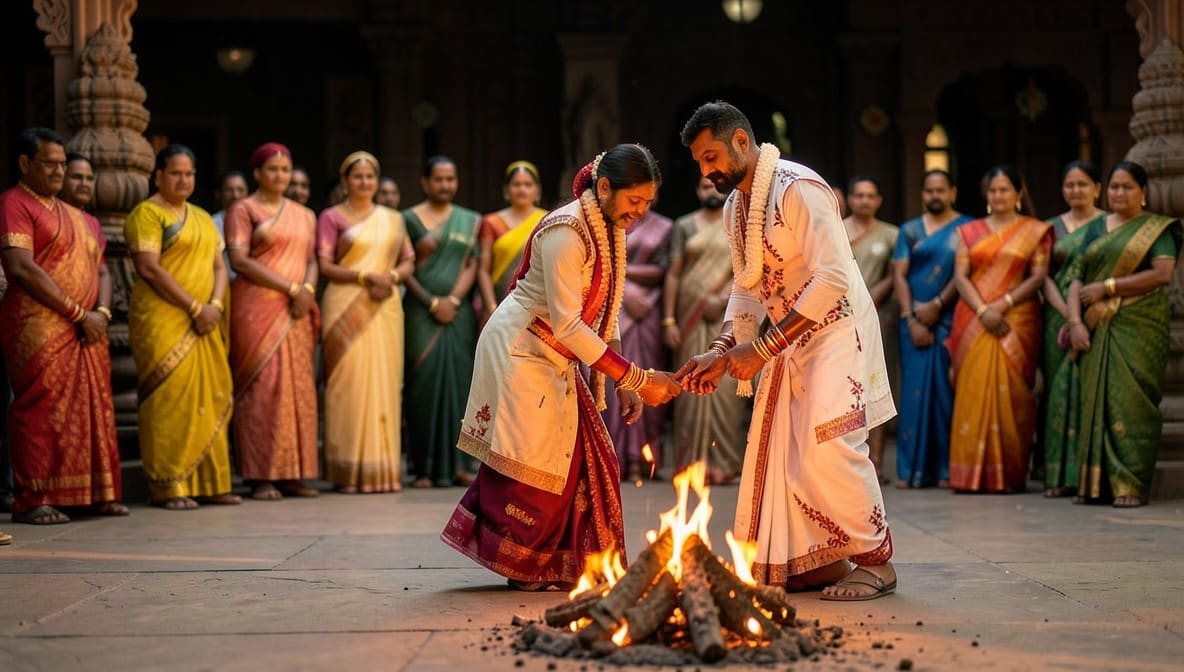
Hindu Marriage Validity Under Section 7 | Saptapadi & Datta Homa Mandatory for Legal Recognition : Gujarat HC Directs Certificate Correction
Case Law Analysis
|Gujarat High Court

Hindu Marriage Validity Under Section 7 | Saptapadi & Datta Homa Mandatory for Legal Recognition : Gujarat HC Directs Certificate Correction

The Gujarat High Court ruled that a Hindu marriage certificate must reflect the date of a legally complete ceremony, including essential rituals like Saptapadi and Datta Homa. The Court directed the Registrar to cancel an erroneous certificate issued based on an incomplete ceremony and issue a fresh one, reinforcing the mandatory nature of these rituals for legal validity.

Article 21 | Adult Autonomy in Inter-Caste Marriage Overrides Family Objections; Court Orders Return of Documents & Mandates Registration : Bombay HC (Nagpur Bench)
Case Law Analysis
|Bombay High Court

Article 21 | Adult Autonomy in Inter-Caste Marriage Overrides Family Objections; Court Orders Return of Documents & Mandates Registration : Bombay HC (Nagpur Bench)

The Bombay High Court affirmed that an adult's right to choose a life partner under Article 21 cannot be overridden by caste-based family opposition, directing the return of educational documents and mobile phone seized by relatives. It permitted the couple to complete legal marriage registration within a month and ordered police to retrieve the items, while also accepting the petitioner's father's subsequent acceptance of the union as a binding acknowledgment of autonomy.