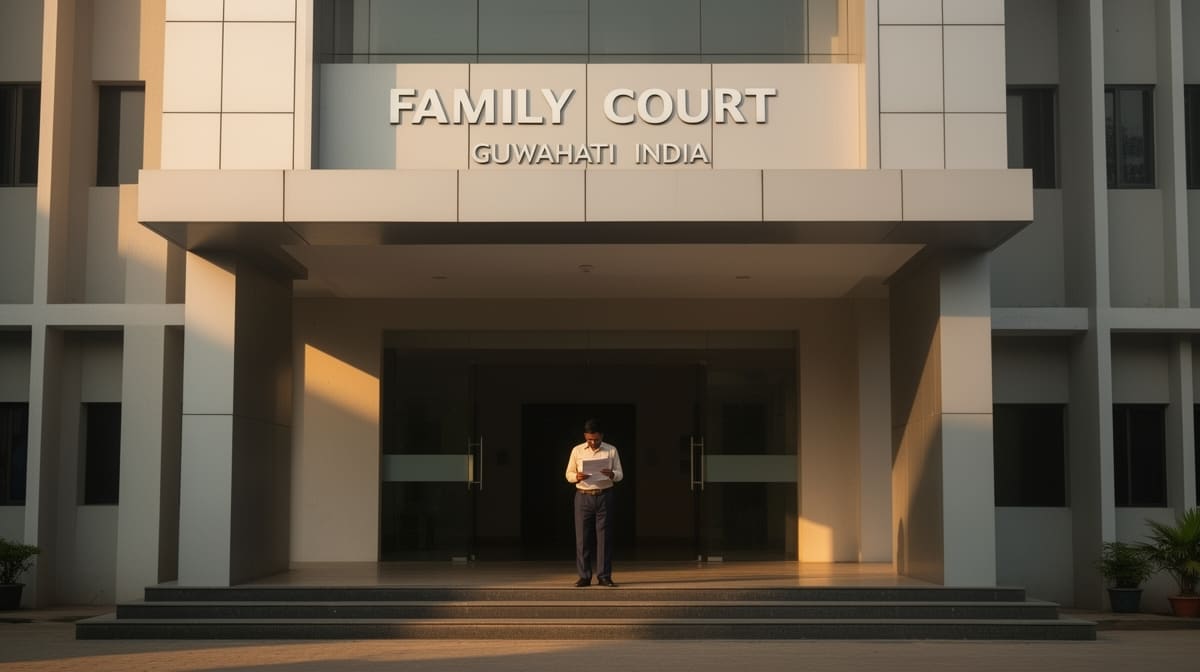
A significant precedent has been set by the Gujarat High Court in recognizing that the legal validity of a Hindu marriage hinges on the completion of essential rites, not merely the initial ceremonial gathering. In a writ petition under Article 226, the Court directed the Registrar of Marriages to issue a corrected marriage certificate reflecting the true date of solemnization, after the performance of Saptapadi and Datta Homa, thereby affirming that procedural compliance must align with substantive religious observance.
Background & Facts
The Dispute
The petitioner, Anjana W/o Manthan Talekar, sought correction of the date of marriage recorded in her marriage certificate issued on 18.03.2024, which erroneously reflected 11.03.2024 as the date of solemnization. The petitioner contended that while a preliminary ceremony occurred on 11.03.2024, the legally and religiously complete marriage ceremony - requiring Saptapadi and Datta Homa - was performed only on 15.12.2025.
Key Facts
- The petitioner and her husband, Manthan Talekar, a permanent resident permit holder in Germany, were engaged to marry in March 2024
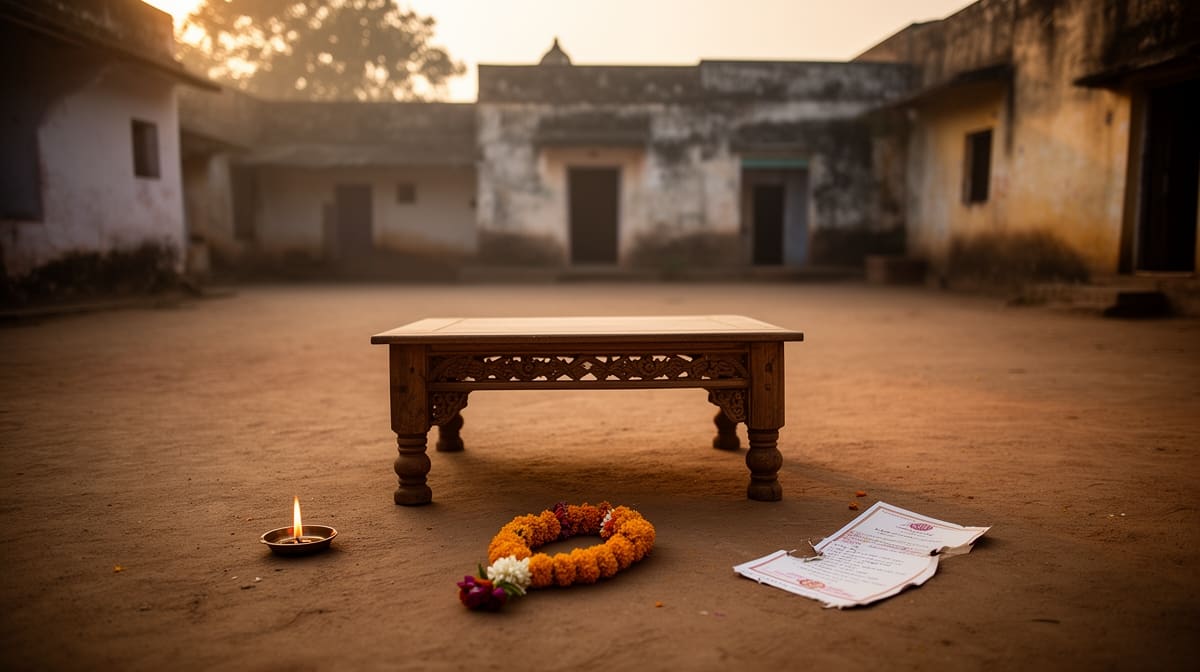
- The initial ceremony on 11.03.2024 was held in a temple with minimal family attendance due to the groom’s ill health
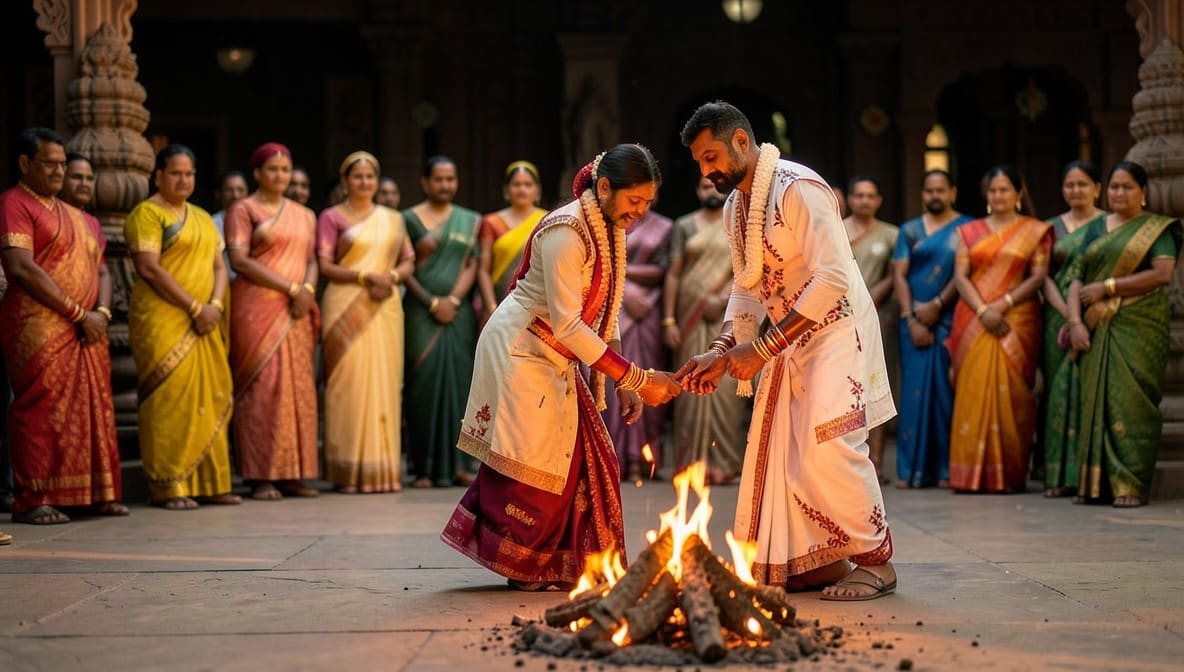
- On that date, the parties exchanged garlands, tied the mangalsutra, and applied sindhoor, but did not perform Saptapadi (seven steps around the sacred fire) or Datta Homa (sacred fire offering)
- Photographs annexed as Annexures C and D corroborate the limited nature of the 11.03.2024 ceremony
- The parties and families mutually agreed to complete the full rites on a later date when the groom’s health improved
- The complete Hindu marriage ceremony, including Saptapadi and Datta Homa, was performed on 15.12.2025 in the presence of extended family and friends
- The marriage certificate issued on 18.03.2024 (No. 167MR20240000215) recorded the date as 11.03.2024, despite the incomplete ceremony
- On 24.12.2025, the Registrar rejected the petitioner’s request to correct the date, citing lack of statutory authority to amend issued certificates
Procedural History
- 11.03.2024: Preliminary ceremony conducted without Saptapadi or Datta Homa
- 18.03.2024: Marriage certificate issued by Registrar of Marriages reflecting 11.03.2024 as date of marriage
- 24.12.2025: Registrar issued communication rejecting request to amend certificate
- 07.05.2026: Writ petition filed under Article 226 before the Gujarat High Court
The Parties' Positions
The petitioner argued that the marriage was not legally complete until 15.12.2025, as Hindu law requires Saptapadi and Datta Homa for a valid marriage. She relied on a prior coordinate bench judgment (Special Civil Application No. 19647 of 2019) where the Court had permitted correction of a marriage certificate under similar circumstances.
The Registrar contended that under the Gujarat Public Trust Act and relevant marriage registration rules, there is no provision empowering the Registrar to alter or cancel an already issued marriage certificate. The Registrar asserted that any change would require legislative amendment and that the Court could not create such power by judicial fiat.
Relief Sought
The petitioner sought:
- Quashing of the communication dated 24.12.2025
- Cancellation of the marriage certificate dated 18.03.2024
- Issuance of a fresh marriage certificate reflecting the correct date of marriage as 15.12.2025
- Any other relief deemed just in the interest of justice
The Legal Issue
The central question was whether the Registrar of Marriages, under the Gujarat Public Trust Act, has the legal authority to cancel an erroneously issued marriage certificate and issue a fresh one reflecting the actual date of a legally complete Hindu marriage, where the initial ceremony lacked essential rites such as Saptapadi and Datta Homa.
Arguments Presented
For the Petitioner
The petitioner’s counsel relied on the precedent set in Special Civil Application No. 19647 of 2019, where the Gujarat High Court had permitted the Registrar to cancel an earlier certificate and issue a fresh one after the completion of the full marriage ceremony. He argued that the Registrar’s role is not merely administrative but also quasi-judicial in verifying the authenticity of the marriage. He emphasized that the 11.03.2024 event was incomplete under Hindu law and that the certificate issued on that basis was factually incorrect. He invoked the Court’s extraordinary jurisdiction under Article 226 to prevent injustice, particularly as the petitioner’s ability to join her husband in Germany was hindered by the discrepancy.
For the Respondent
The learned Additional Government Pleader contended that the Registrar operates under a statutory framework that permits registration of marriages but does not authorize cancellation or amendment of issued certificates. He argued that allowing such corrections would open the floodgates to litigation and undermine the integrity of the registration system. He maintained that the petitioner’s remedy, if any, lay in seeking a declaratory suit in civil court, not through a writ petition.
The Court's Analysis
The Court acknowledged the Registrar’s limited statutory powers but emphasized that the purpose of marriage registration is to record the actual date of a legally valid marriage. The Court observed that under Hindu law, Saptapadi and Datta Homa are indispensable for a valid marriage, and their absence on 11.03.2024 rendered that date legally incomplete.
"The date recorded in the marriage certificate must reflect the date of the complete and legally valid ceremony, not merely the first gathering of the parties. To hold otherwise would reduce registration to a mere formality, divorced from substantive legal reality."
The Court distinguished the Registrar’s role from that of a mere record-keeper, noting that the Registrar is entrusted with verifying the authenticity of the ceremony at the time of registration. Where the registration was based on an incomplete ceremony, the Court held that the principle of equity and natural justice required correction.
The Court further relied on its own coordinate bench’s reasoning in Special Civil Application No. 19647 of 2019, which had recognized that in exceptional circumstances where the parties are blameless and the error stems from factual circumstances beyond their control, the Court may intervene under Article 226 to prevent manifest injustice.
The Court rejected the argument that legislative amendment was necessary, holding that the power to correct a manifest error in a public record falls within the Court’s inherent jurisdiction to ensure justice under Article 226.
The Verdict
The writ petition was allowed. The Court directed the petitioner to file a fresh application before the Registrar of Marriages within one week seeking correction of the marriage date from 11.03.2024 to 15.12.2025. Upon receipt of such application, the Registrar was directed to cancel the marriage certificate dated 18.03.2024 and issue a fresh certificate reflecting the correct date of 15.12.2025. The Registrar was directed to complete this process within two weeks of receiving the fresh application. The earlier certificate shall stand quashed and set aside upon issuance of the new one.
What This Means For Similar Cases
Correction of Marriage Certificates Is Permissible Under Article 226
- Practitioners may now invoke Article 226 to seek correction of marriage certificates where the recorded date does not reflect the actual date of a legally complete Hindu marriage
- The absence of Saptapadi or Datta Homa at the time of initial registration renders the recorded date legally invalid, even if other rites were performed
- The Registrar’s refusal to correct such errors is not final and may be challenged before the High Court
Documentary Evidence of Ceremony Is Critical
- Photographs, affidavits from witnesses, and family declarations attesting to the sequence of ceremonies must be meticulously documented and annexed to the petition
- The Court placed significant reliance on Annexures C and D (photographs) to corroborate the incomplete nature of the 11.03.2024 ceremony
- Oral testimony alone is insufficient; contemporaneous documentary evidence is essential
Procedural Compliance Must Follow Substantive Validity
- Marriage registration is not a standalone administrative act but a recognition of a substantive legal event
- Courts will prioritize the actual legal completion of marriage over rigid adherence to procedural timelines
- This judgment reinforces that registration systems must adapt to reflect religious and legal realities, not the reverse