Topic

Investigating Officer

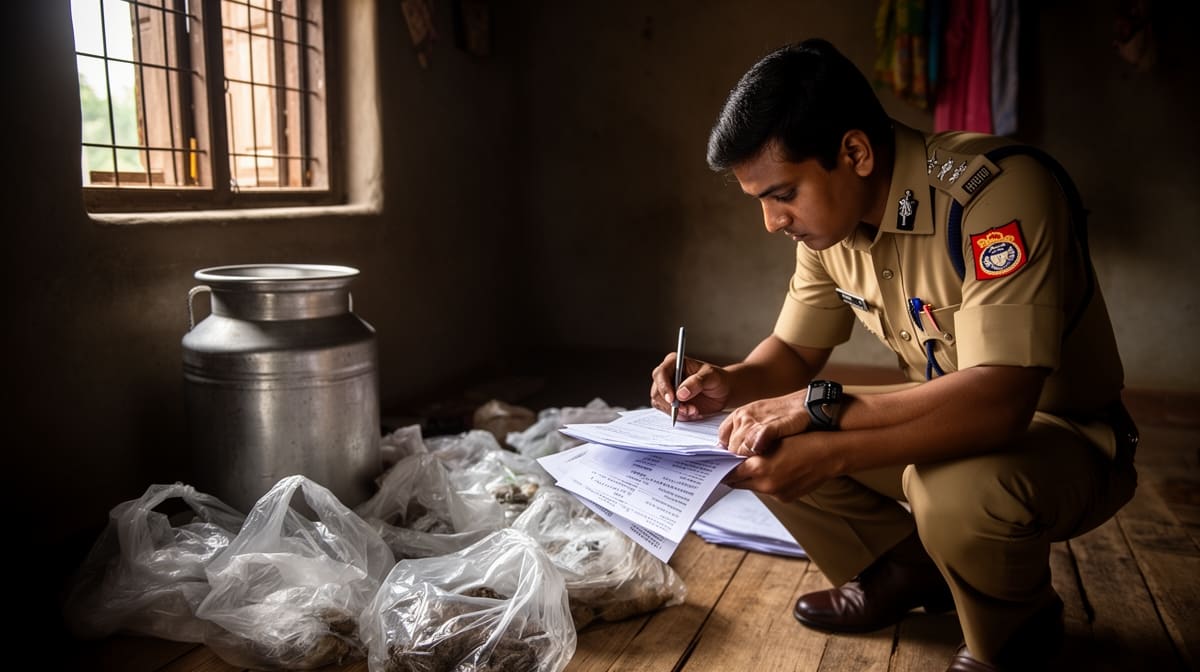
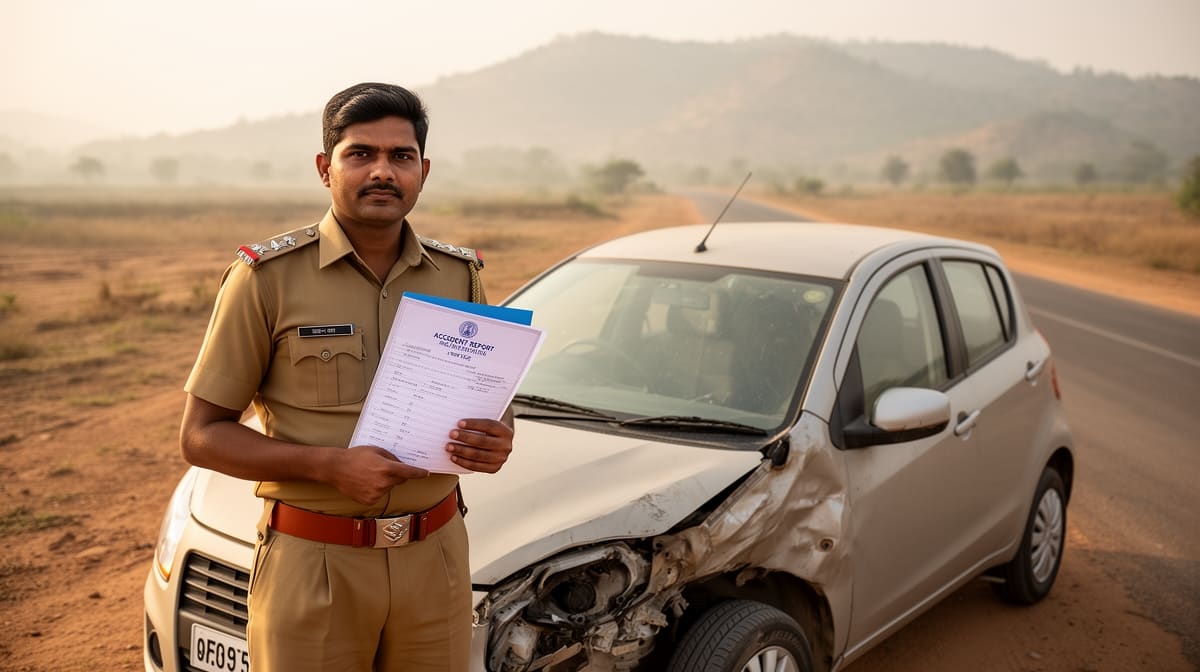
An Investigating Officer in Indian law is the police official responsible for collecting evidence, recording statements, and preparing the charge sheet in criminal cases.

8 articlesLatest July 2026
Section 311 CrPC | Accused Entitled to Re-cross-examine Witness After New Contradictions Emerge from Re-examined Witness : MP HC Jabalpur
Case Law Analysis
|Madhya Pradesh High Court

Section 311 CrPC | Accused Entitled to Re-cross-examine Witness After New Contradictions Emerge from Re-examined Witness : MP HC Jabalpur

The Madhya Pradesh High Court held that when re-examination of a witness reveals material contradictions unavailable during initial cross-examination, the accused must be granted a single opportunity to re-cross-examine previously examined witnesses under Section 311 CrPC to ensure fair trial and natural justice. This clarifies that procedural fairness trumps rigid sequencing of evidence when new factual inconsistencies arise.

Section 149 IPC | Bonafide Land Dispute Without Criminal Intent or Injury Negates Unlawful Assembly & Attempt to Murder Charges : Jharkhand HC
Case Law Analysis
|Jharkhand High Court

Section 149 IPC | Bonafide Land Dispute Without Criminal Intent or Injury Negates Unlawful Assembly & Attempt to Murder Charges : Jharkhand HC

Jharkhand High Court acquits nine accused in a 34-year-old land dispute case, ruling that mere presence in a disputed property dispute-without proven criminal intent, overt acts, or injury-cannot sustain charges under Sections 307/149 IPC. The judgment reinforces that unlawful assembly requires shared criminal purpose, not just civil ownership disputes.

POCSO Act | School Records Supersede Contradictory Victim Testimony to Establish Minor Status : Bombay HC
Case Law Analysis
|Bombay High Court

POCSO Act | School Records Supersede Contradictory Victim Testimony to Establish Minor Status : Bombay HC

The Bombay High Court held that school records constitute conclusive evidence of a victim's age under the POCSO Act, even when the victim's own testimony contradicts it. This reinforces that documentary proof from official institutions overrides inconsistent oral accounts, ensuring consistent protection for minors regardless of testimonial reliability or lack of medical evidence.

Beyond Reasonable Doubt Standard | Non-Examination of IO, Doctor & Missing Post-Mortem Report Vitiates Murder Conviction : Patna HC
Case Law Analysis
|Patna High Court

Beyond Reasonable Doubt Standard | Non-Examination of IO, Doctor & Missing Post-Mortem Report Vitiates Murder Conviction : Patna HC

Patna High Court acquitted two appellants in a 1993 murder case, ruling that the prosecution's failure to examine the Investigating Officer, doctor, or produce the post-mortem report, coupled with contradictory eyewitness testimony, fatally undermined proof beyond reasonable doubt. The judgment reaffirms that evidentiary gaps in critical investigative and medical documentation cannot sustain a criminal conviction, even in serious offences.

NDPS Act Section 20(B) | Hostile Seizure Witnesses Do Not Vitiate Conviction If IO's Testimony Is Credible : Chhattisgarh HC
Case Law Analysis
|Chhattisgarh High Court

NDPS Act Section 20(B) | Hostile Seizure Witnesses Do Not Vitiate Conviction If IO's Testimony Is Credible : Chhattisgarh HC

Chhattisgarh High Court rules that hostile seizure witnesses alone cannot invalidate an NDPS conviction if the Investigating Officer's testimony is reliable and supported by documentary evidence. The court emphasizes that substantial compliance with Section 52A of the NDPS Act suffices when the overall evidence inspires confidence, reinforcing the primacy of credible investigation over procedural lapses by independent witnesses.