Topic

Evidentiary Burden

Evidentiary burden in Indian law refers to the obligation to prove facts in court, with standards varying by statute such as the POCSO Act, NI Act, or CrPC.

11 articlesLatest 2 weeks ago
Registered Partnership Deeds Prima Facie Valid at Interim Stage Despite Fraud Allegations : Bombay HC Rejects Interim Relief in Property Dispute
Case Law Analysis
|Bombay High Court

Registered Partnership Deeds Prima Facie Valid at Interim Stage Despite Fraud Allegations : Bombay HC Rejects Interim Relief in Property Dispute

Bombay High Court holds that registered retirement and gift deeds carry presumptive validity at the interim stage, shifting the evidentiary burden to the party alleging fraud. The ruling underscores that courts will not grant interim relief unless fraud is prima facie established, impacting partnership and property disputes involving registered instruments.

Essential Commodities Act Sections 3 & 7 | FSL Report Not Mandatory to Prove PDS Diversion: Karnataka HC
Case Law Analysis
|Karnataka High Court

Essential Commodities Act Sections 3 & 7 | FSL Report Not Mandatory to Prove PDS Diversion: Karnataka HC

The Karnataka High Court has held that the absence of a Forensic Science Laboratory report does not invalidate prosecution for illegal diversion of essential commodities under the Essential Commodities Act, 1955. This removes a de facto evidentiary barrier for food inspectors and prosecutors, reinforcing that possession and unexplained origin of PDS stock can sustain charges without scientific verification.

Section 112(b) Customs Act | Penalty Requires Proven Foreign Origin and Actual Knowledge of Smuggling; Mere Suspicion Insufficient : CESTAT Allahabad
Case Law Analysis
|Custom, Excise & Service Tax Tribunal

Section 112(b) Customs Act | Penalty Requires Proven Foreign Origin and Actual Knowledge of Smuggling; Mere Suspicion Insufficient : CESTAT Allahabad

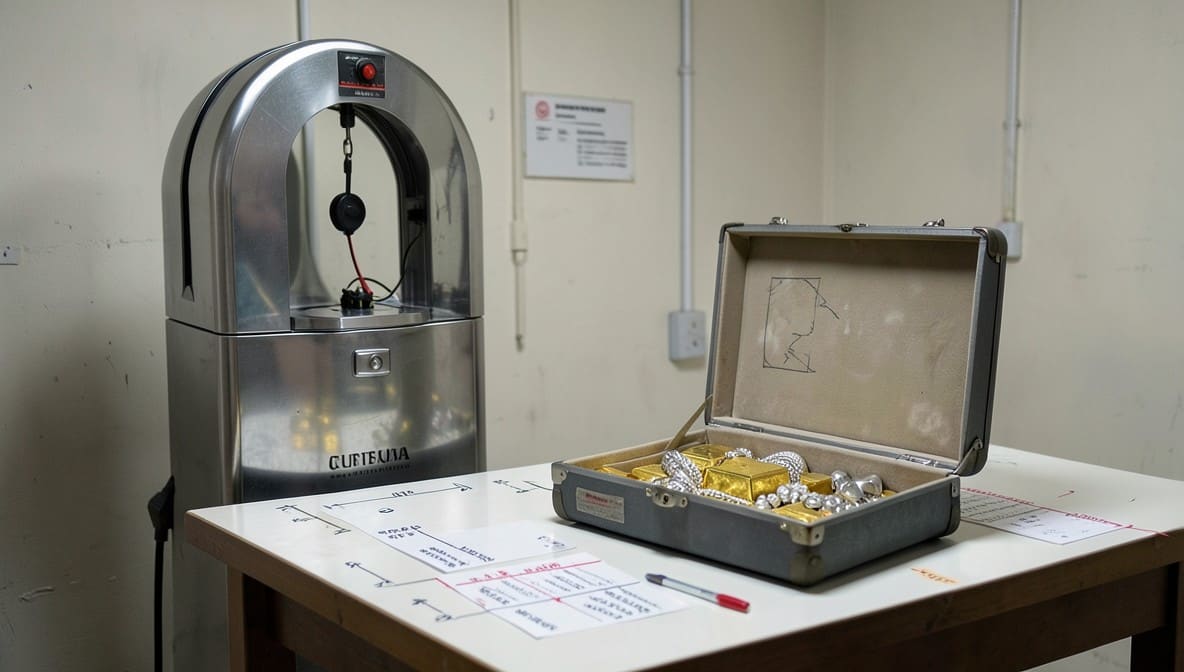
CESTAT Allahabad quashed Rs. 8 lakh penalties on gold and silver seizures, ruling that customs authorities cannot impose penalties under Section 112(b) based on uncorroborated suspicion alone. The ruling mandates concrete evidence of foreign origin and actual knowledge of smuggling-setting a vital precedent for travelers and traders facing arbitrary confiscations without proof of intent.

Delay in FIR Does Not Bar Motor Accident Compensation | Income Assessed at 40% Future Prospects + Multiplier 18 for Deceased Laborer & Tutor : CGHC
Case Law Analysis
|Chhattisgarh High Court

Delay in FIR Does Not Bar Motor Accident Compensation | Income Assessed at 40% Future Prospects + Multiplier 18 for Deceased Laborer & Tutor : CGHC

The Chhattisgarh High Court has ruled that a delayed FIR cannot be used to deny compensation in motor accident claims, and significantly enhanced the deceased’s income by applying 40% future prospects and an 18-fold multiplier, setting a benchmark for low-income earners like daily wage laborers and part-time tutors. The court also mandated 6% interest on the enhanced award, reinforcing that procedural delays must not undermine victims’ right to just compensation.

POCSO Act Section 6 & IPC 376(3) | Conviction Invalid Without Corroborated DNA Chain of Custody or Age Proof: MP HC Indore
Case Law Analysis
|Madhya Pradesh High Court

POCSO Act Section 6 & IPC 376(3) | Conviction Invalid Without Corroborated DNA Chain of Custody or Age Proof: MP HC Indore

The Madhya Pradesh High Court set aside a conviction under POCSO and IPC 376(3) after finding the prosecution failed to establish the integrity of DNA evidence or verify the minor’s age through official records. This ruling reinforces that in sexual offense cases involving children, procedural lapses in evidence collection cannot be overlooked - even when the offense appears grave - and shifts the burden squarely onto the state to meet foundational evidentiary standards.