Topic

District Magistrate

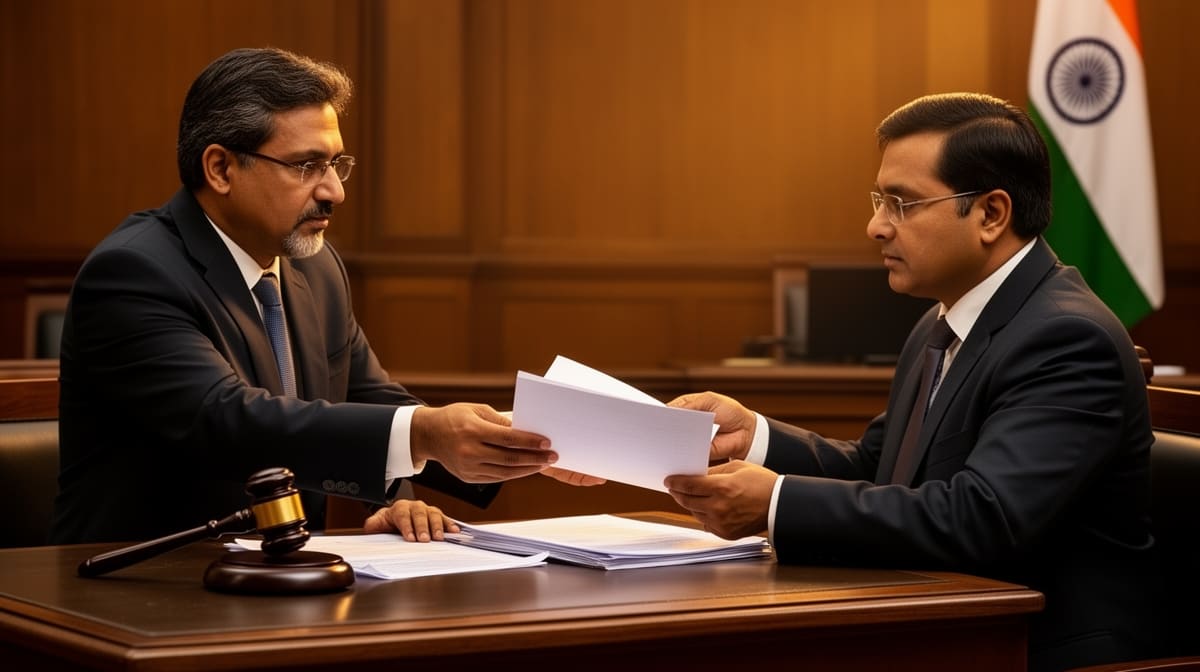
The District Magistrate in Indian law is a key administrative officer empowered to assist secured creditors in taking possession of secured assets under statutes like the SARFAESI Act, often acting in a ministerial capacity without adjudicatory powers.

12 articlesLatest 6 days ago
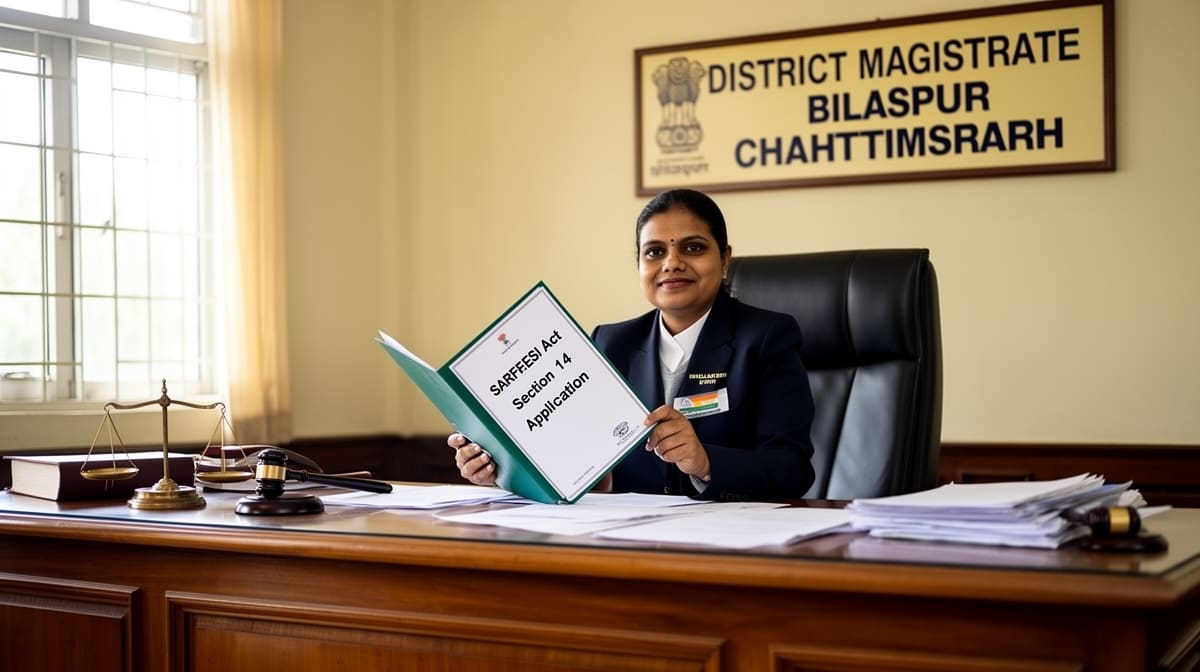
Section 14 SARFAESI Act | District Magistrate Cannot Adjudicate Third-Party Rights on Subsequent Sale : Chhattisgarh HC
Case Law Analysis
|Chhattisgarh High Court

Section 14 SARFAESI Act | District Magistrate Cannot Adjudicate Third-Party Rights on Subsequent Sale : Chhattisgarh HC

The Chhattisgarh High Court held that a District Magistrate's role under Section 14 of the SARFAESI Act is strictly ministerial and does not extend to adjudicating third-party rights or title disputes arising from subsequent sales. The court set aside the DM's order rejecting the secured creditor's application on the ground of a subsequent sale, directing fresh disposal within 30 days.


Tenancy Rights | Non-Party DM Not Liable for Contempt for Failing to Act on Tenant's Representation: Allahabad HC
Case Law Analysis
|Allahabad High Court

Tenancy Rights | Non-Party DM Not Liable for Contempt for Failing to Act on Tenant's Representation: Allahabad HC

The Allahabad High Court holds that a District Magistrate cannot be held in contempt for not acting on a tenant's direct representation, as the legal obligation to challenge demolition rests with the property owner. This reinforces that tenants must seek redress through landlords under existing precedent, clarifying the limits of administrative accountability in tenancy disputes.

Section 31 JJ Act | Transfer of Adoption Authority from Court to District Magistrate Not Violative of Article 14, 21 or Separation of Powers : Bombay HC
Case Law Analysis
|Bombay High Court

Section 31 JJ Act | Transfer of Adoption Authority from Court to District Magistrate Not Violative of Article 14, 21 or Separation of Powers : Bombay HC

The Bombay High Court upheld the 2021 amendment shifting adoption authority from courts to District Magistrates under the Juvenile Justice Act, finding that CARA’s 2022 Rules provide sufficient procedural safeguards to protect child welfare and maintain constitutional balance. This ruling reinforces the executive’s role in child adoption processes while affirming that delegation of quasi-judicial functions does not inherently breach separation of powers or fundamental rights.

Bonded Labour System (Abolition) Act, 1976 Sections 16-17 | District Magistrate Must Initiate Inquiry Within 7 Days on Prima Facie Forced Labour Allegations: Punjab & Haryana HC
Case Law Analysis
|Punjab and Haryana High Court

Bonded Labour System (Abolition) Act, 1976 Sections 16-17 | District Magistrate Must Initiate Inquiry Within 7 Days on Prima Facie Forced Labour Allegations: Punjab & Haryana HC

The Punjab & Haryana High Court has ruled that any prima facie allegation of bonded labour triggers an immediate, mandatory duty for the District Magistrate to launch a statutory inquiry under Sections 16-17 of the Bonded Labour Act within seven days. This sets a binding timeline for executive action, transforming passive complaints into enforceable rights for vulnerable labourers and holding district authorities accountable for constitutional violations under Articles 21 and 23.

Section 14 SARFAESI Act | District Magistrate Must Decide Applications Within 60 Days or Face Writ Jurisdiction : CGHC
Case Law Analysis
|Chhattisgarh High Court

Section 14 SARFAESI Act | District Magistrate Must Decide Applications Within 60 Days or Face Writ Jurisdiction : CGHC

Chhattisgarh High Court mandates that District Magistrates must dispose of SARFAESI Act Section 14 applications within 60 days, failing which secured creditors can invoke writ jurisdiction. The ruling underscores that statutory timelines are mandatory and prolonged inaction without recorded reasons violates creditors' rights under the Act.

Section 14 SARFAESI Act | District Magistrate’s Possession Order Remains Enforceable Despite Subsequent DRT Stay : High Court of Sikkim
Case Law Analysis
|Sikkim High Court

Section 14 SARFAESI Act | District Magistrate’s Possession Order Remains Enforceable Despite Subsequent DRT Stay : High Court of Sikkim

The High Court of Sikkim ruled that a District Magistrate’s order under Section 14 of the SARFAESI Act for taking possession of secured assets remains valid and enforceable even if a Debt Recovery Tribunal (DRT) later issues a stay. The court clarified that compliance with the District Magistrate’s order is not automatically suspended by interim DRT directives, ensuring banks can proceed with asset takeover unless expressly restrained.