Topic

departmental inquiry

A departmental inquiry in Indian administrative law is a formal internal investigation into misconduct by a government servant, governed primarily by the CCS (CCA) Rules, 1965, and rooted in natural justice under Article 311 of the Constitution.

33 articlesLatest 20 hours ago
Article 311(2)(b) | Mere Apprehension of Witness Influence Cannot Justify Dispensing with Departmental Inquiry : Punjab & Haryana HC
Case Law Analysis
|Punjab and Haryana High Court

Article 311(2)(b) | Mere Apprehension of Witness Influence Cannot Justify Dispensing with Departmental Inquiry : Punjab & Haryana HC

The court quashed an ASI's dismissal, ruling that unsubstantiated fears of witness influence cannot bypass a departmental inquiry under Article 311(2)(b). The petitioner is entitled to reinstatement with consequential benefits but not back wages, while the department retains the option to initiate a fresh inquiry or await the outcome of criminal proceedings.


Minor Penalty Must Relate Back to Termination Date | Departmental Inquiry Doctrine : SC
Case Law Analysis
|Supreme Court of India

Minor Penalty Must Relate Back to Termination Date | Departmental Inquiry Doctrine : SC

The Supreme Court ruled that a minor penalty imposed post-reinstatement in a departmental inquiry must relate back to the initial termination date, entitling the officer to back wages, notional benefits, and consequential promotions. The judgment quashed contempt proceedings with a cost of Rs. 10 lakhs and directed payment of arrears with interest, reinforcing the doctrine of retrospective effect in service law.

Proportionality in Disciplinary Action | Bombay HC Reduces Dismissal to Lesser Penalty for Minor Misconduct Under Maharashtra Universities Act
Case Law Analysis
|Bombay High Court

Proportionality in Disciplinary Action | Bombay HC Reduces Dismissal to Lesser Penalty for Minor Misconduct Under Maharashtra Universities Act

Bombay High Court ruled that dismissal from service for misconduct must be proportionate to the offence, considering the employee's service record and statutory principles. The Court set aside a dismissal order, emphasizing that minor misconduct-such as verbal altercations-does not warrant termination, especially where no financial or institutional harm was proven.

Natural Justice | Denial of Inquiry Report in Departmental Proceedings Vitiates Penalty; Bombay HC Quashes Compulsory Retirement : Bombay HC (Aurangabad Bench)
|Bombay High Court

Natural Justice | Denial of Inquiry Report in Departmental Proceedings Vitiates Penalty; Bombay HC Quashes Compulsory Retirement : Bombay HC (Aurangabad Bench)

The Bombay High Court has held that denying a government employee access to the Inquiry Officer’s report before imposing compulsory retirement violates the fundamental principles of natural justice. This ruling reinforces that procedural fairness in disciplinary actions is non-negotiable - especially in public sector employment where livelihoods hang in the balance.

Police Regulations Regulation 214 | Enquiry Officer's Clarificatory Questions Do Not Vitiate Proceeding; Six-Month Limit Applies Only to Inquiry Initiation, Not Revision : MP HC Gwalior
Case Law Analysis
|Madhya Pradesh High Court

Police Regulations Regulation 214 | Enquiry Officer's Clarificatory Questions Do Not Vitiate Proceeding; Six-Month Limit Applies Only to Inquiry Initiation, Not Revision : MP HC Gwalior

The Madhya Pradesh High Court holds that an Enquiry Officer’s limited questions to clarify evidence do not amount to acting as prosecutor, preserving natural justice. Crucially, the six-month timeline under Police Regulations applies only to initiating the inquiry, not to filing or deciding a revision, giving authorities flexibility in imposing major punishment without procedural invalidity. This protects disciplinary proceedings from being derailed by technicalities while upholding fairness.

Rule 7 U.P. Government Servant Rules | Oral Evidence Mandatory in Disciplinary Inquiries; Punishment Quashed for Non-Compliance : Allahabad HC
|Allahabad High Court

Rule 7 U.P. Government Servant Rules | Oral Evidence Mandatory in Disciplinary Inquiries; Punishment Quashed for Non-Compliance : Allahabad HC

Allahabad HC rules that oral evidence is a non-negotiable requirement under Rule 7 of the U.P. Government Servant (Discipline and Appeal) Rules, 1999. The court quashed a punishment order and directed restoration of service benefits, reinforcing natural justice principles in departmental inquiries affecting government servants.

CCS (CCA) Rules 1965 | Disciplinary Authority Loses Right to Disagree After Accepting Inquiry Report: CAT Kolkata
|Central Administrative Tribunal

CCS (CCA) Rules 1965 | Disciplinary Authority Loses Right to Disagree After Accepting Inquiry Report: CAT Kolkata

CAT Kolkata quashes disciplinary proceedings against a retired Group 'A' officer, ruling that once the disciplinary authority accepts an inquiry report under CCS (CCA) Rules 1965, it cannot later issue a disagreement note. The decision reinforces natural justice principles, protecting government employees from arbitrary post-facto revisions in disciplinary actions.

Natural Justice in Departmental Inquiries | Fresh Report Based on Same Evidence Without New Material Vitiates Proceedings : MP HC
Case Law Analysis
|Madhya Pradesh High Court

Natural Justice in Departmental Inquiries | Fresh Report Based on Same Evidence Without New Material Vitiates Proceedings : MP HC

MP High Court rules that ordering a fresh inquiry report without introducing new evidence violates principles of natural justice, rendering the departmental proceedings biased. The ruling underscores that disciplinary authorities must not reopen inquiries based on identical material, affecting service law and employment disputes involving bank officers and public servants.

Unexplained 10-Year Delay in Departmental Inquiry Vitiates Proceedings | ONGC Manager’s Reduction in Rank Quashed : Bombay HC
Case Law Analysis
|Bombay High Court

Unexplained 10-Year Delay in Departmental Inquiry Vitiates Proceedings | ONGC Manager’s Reduction in Rank Quashed : Bombay HC

The Bombay High Court has quashed disciplinary action against an ONGC manager after a decade-long delay in inquiry, holding that such prolonged inaction violates natural justice and renders the order non-speaking. All service benefits, including back wages and seniority, must be restored within six weeks, setting a clear precedent for timely administrative justice in public sector employment.

Proportionality in Disciplinary Penalties | Corruption Charge Requires Full Evidentiary Proof : Delhi HC Sets Aside Removal for 'Partly Proved' Misconduct
Case Law Analysis
|Delhi High Court

Proportionality in Disciplinary Penalties | Corruption Charge Requires Full Evidentiary Proof : Delhi HC Sets Aside Removal for 'Partly Proved' Misconduct

Delhi High Court reinforces that disciplinary penalties must strictly align with the degree of misconduct proved. Removal from service based on a 'partly proved' corruption allegation-without full evidentiary backing-violates principles of natural justice and proportionality, warranting judicial intervention for government employees.

Doctrine of Proportionality | CAT Ahmedabad Quashes Dismissal of Postman for Undelivered Mail Amid Staff Shortage & Medical Leave : CAT Ahmedabad
Case Law Analysis
|Central Administrative Tribunal

Doctrine of Proportionality | CAT Ahmedabad Quashes Dismissal of Postman for Undelivered Mail Amid Staff Shortage & Medical Leave : CAT Ahmedabad

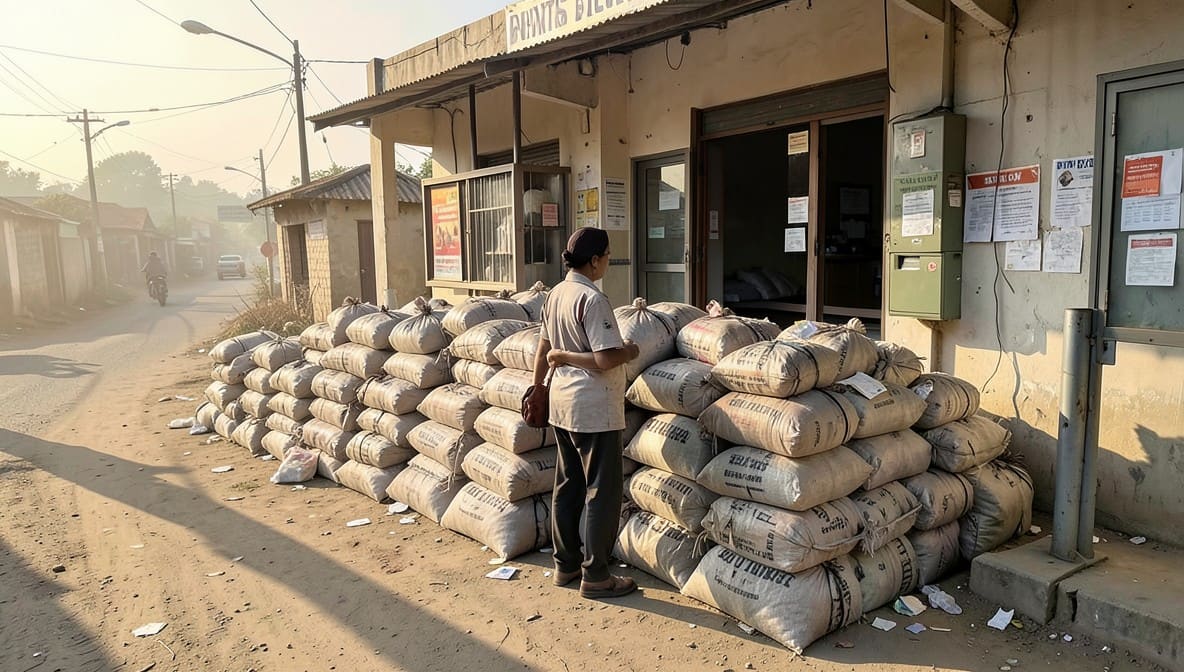
CAT Ahmedabad invoked the doctrine of proportionality to set aside the dismissal of a postman who failed to deliver 10,000 mail articles due to staff shortages and medical leave. The Tribunal remitted the punishment for reconsideration, emphasizing that disciplinary action must account for mitigating circumstances and natural justice principles under the CCS (CCA) Rules.