Topic

Dearness Allowance

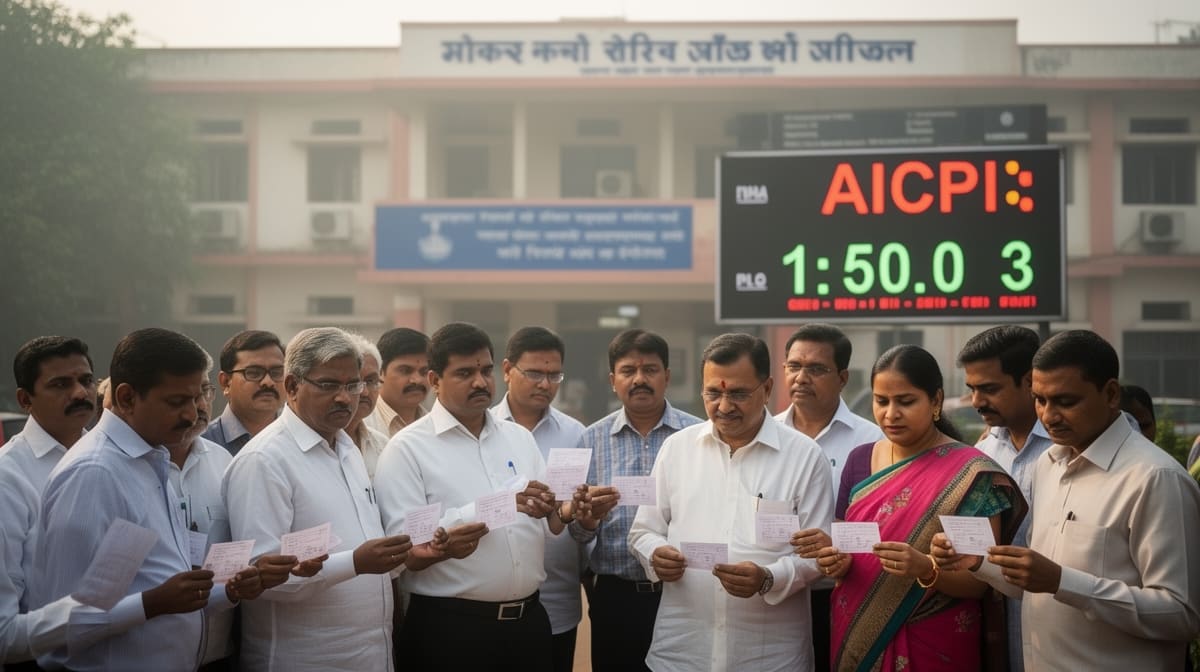
Dearness Allowance in Indian law is a cost-of-living adjustment mandated for government employees and pensioners, tied to the All India Consumer Price Index and enforceable as a legal right under various statutes and constitutional principles.

7 articlesLatest August 2026
DA/DR must follow 6th Pay Commission’s central pattern; age-tiered liquidation scheme struck down as violative of Article 14 | Punjab HC
Case Law Analysis
|Punjab and Haryana High Court

DA/DR must follow 6th Pay Commission’s central pattern; age-tiered liquidation scheme struck down as violative of Article 14 | Punjab HC

Punjab High Court ordered the state to implement the 6th Pay Commission’s dearness allowance and dearness relief on the central pattern and declared the age-tiered liquidation plan unconstitutional under Article 14, directing immediate payment of all arrears with interest. The ruling affects all Punjab government employees awaiting these allowances.

Article 14 | Differential DA and DR Rates for Serving Employees vs. Pensioners Violate Equality: Supreme Court
Case Law Analysis
|Supreme Court of India

Article 14 | Differential DA and DR Rates for Serving Employees vs. Pensioners Violate Equality: Supreme Court

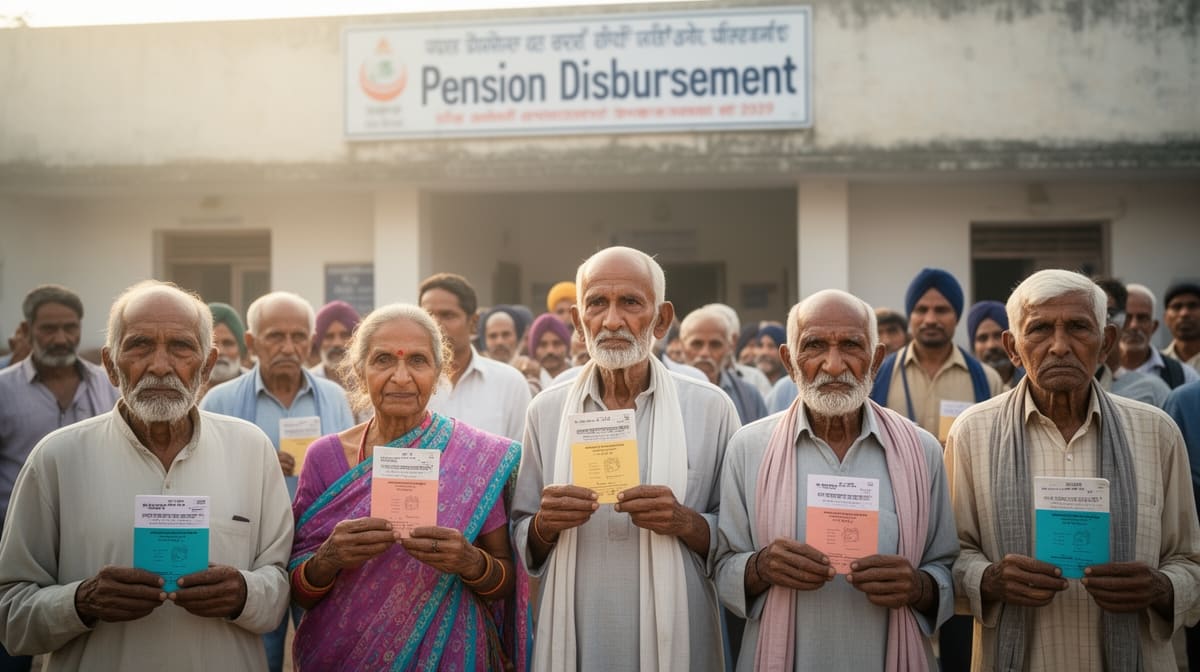
The Supreme Court has ruled that paying higher dearness allowance to serving employees than dearness relief to pensioners, despite both compensating for the same inflation, constitutes arbitrary classification under Article 14. This landmark decision mandates uniform inflation adjustment for all public sector beneficiaries, impacting millions of pensioners across state and central governments.

MP Pension Rules | Dearness Allowance Mandatory on Family Pension from Date of Entitlement : MPHC Gwalior
Case Law Analysis
|Madhya Pradesh High Court

MP Pension Rules | Dearness Allowance Mandatory on Family Pension from Date of Entitlement : MPHC Gwalior

Madhya Pradesh High Court rules that dependents of deceased public servants are entitled to dearness allowance on family pension from the date of entitlement, not just from the date of the court order. The judgment mandates arrears payment with 6% interest for delays, reinforcing financial security for pension beneficiaries under service law.