Topic

Contractual Dispute

Contractual disputes in India involve disagreements over agreements between parties. This page provides latest judgments, case analysis and updates from Indian courts on contractual disputes.

9 articlesLatest August 2026
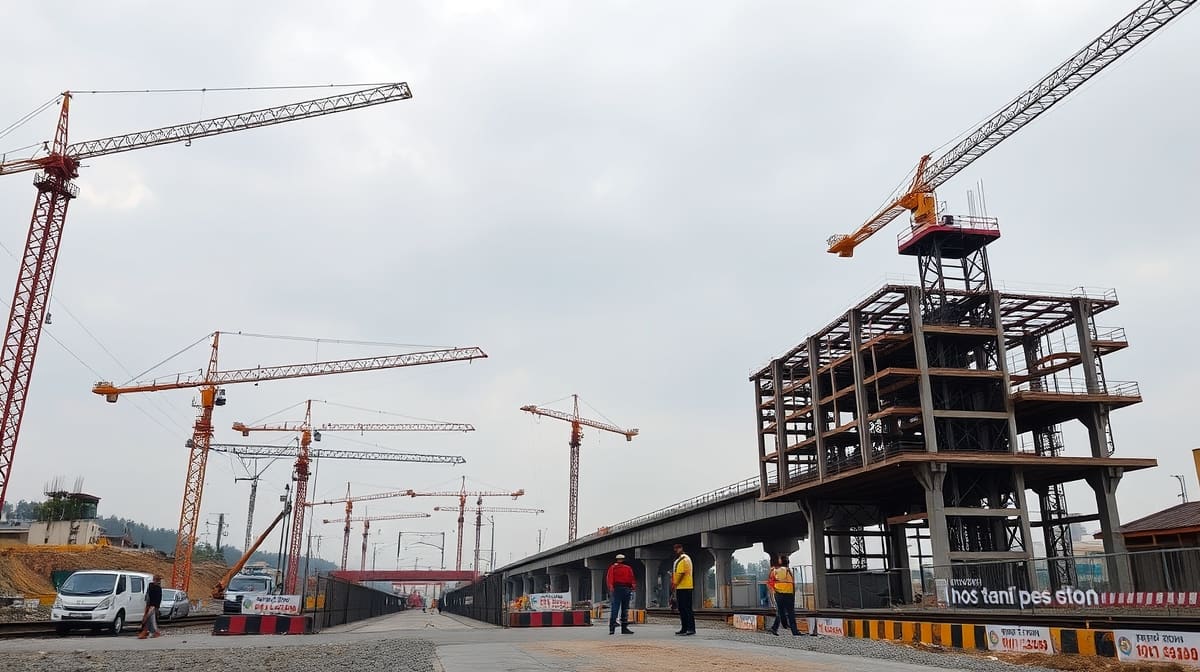
Debarment Must Satisfy Proportionality and Natural Justice | Contractor Blacklisting under National Highways Act : Delhi HC
Case Law Analysis
|Delhi High Court

Debarment Must Satisfy Proportionality and Natural Justice | Contractor Blacklisting under National Highways Act : Delhi HC

The Delhi High Court struck down NHAI’s two-year debarment of SAI Consulting, ruling that blacklisting is an extraordinary sanction that can be imposed only after showing serious misconduct and affording a fair hearing. The decision limits agencies to use debarment proportionately, protecting contractors from punitive bans for mere contractual lapses.


Natural Justice in Contracts | Undisputed Payment Must Be Released Pending Dispute Resolution: Meghalaya HC
Case Law Analysis
|Meghalaya High Court

Natural Justice in Contracts | Undisputed Payment Must Be Released Pending Dispute Resolution: Meghalaya HC

Meghalaya High Court rules that withholding undisputed contractual payments violates natural justice, directing release of Rs. 17.79 lakhs while disputed Rs. 7.89 lakhs undergoes independent assessment. The ruling sets a precedent for equitable relief in public works contracts, ensuring contractors receive undisputed dues without procedural delays.

Section 11(6) Arbitration Act | Allegations of Fraud Do Not Bar Arbitrator Appointment If Arbitration Clause Remains Valid : Patna HC
Case Law Analysis
|Patna High Court

Section 11(6) Arbitration Act | Allegations of Fraud Do Not Bar Arbitrator Appointment If Arbitration Clause Remains Valid : Patna HC

Patna High Court holds that mere allegations of fraud or contract non-compliance do not invalidate an arbitration clause, empowering courts to appoint arbitrators under Section 11(6) if the designated authority fails to act. This ruling reinforces the primacy of arbitration agreements in commercial disputes, ensuring parties cannot evade arbitration through procedural objections.

Arbitration Clause Bars Writ Petition Under Article 226 Unless Public Law Violation Established : Bombay HC Aurangabad Bench
Case Law Analysis
|Bombay High Court

Arbitration Clause Bars Writ Petition Under Article 226 Unless Public Law Violation Established : Bombay HC Aurangabad Bench

Bombay High Court reiterates that contractual disputes with an arbitration clause must be resolved through arbitration, not writ jurisdiction, unless a clear public law violation is demonstrated. The ruling reinforces the limited scope of Article 226 in private contractual matters, impacting contractors and government entities bound by arbitration agreements.

Section 406/420 IPC | Non-Return of Property Commission Without Dishonest Intent Is Civil Dispute, Not Criminal Offence : Punjab & Haryana HC
Case Law Analysis
|Punjab and Haryana High Court

Section 406/420 IPC | Non-Return of Property Commission Without Dishonest Intent Is Civil Dispute, Not Criminal Offence : Punjab & Haryana HC

The Punjab & Haryana High Court has ruled that a property dealer’s retention of commission after a cancelled land deal, without proof of initial dishonest intent, cannot be prosecuted under Sections 406 or 420 IPC. This clarifies that contractual disputes over commissions, even when substantial, remain civil remedies unless criminal mens rea is established - protecting intermediaries from misuse of criminal law in commercial disagreements.

Arbitration Clause Bars Bank Guarantee Encashment | Punjab & Haryana HC Restrains Unilateral Recovery Pending Arbitration
Case Law Analysis
|Punjab and Haryana High Court

Arbitration Clause Bars Bank Guarantee Encashment | Punjab & Haryana HC Restrains Unilateral Recovery Pending Arbitration

The Punjab & Haryana High Court ruled that performance bank guarantees cannot be encashed unilaterally when contractual disputes exist and an arbitration clause is operative. The court directed the petitioner to initiate arbitration within 45 days while restraining the respondent from encashing the guarantee, reinforcing the primacy of arbitration agreements in commercial disputes.