
Topic

conflict of interest

7 articlesLatest September 2026
Regulation 27(1) sub-clauses (i)-(iii) apply to borrowers, subsidiaries and associates of a promoter | SEBI CRA penalty set aside : SAT
Case Law Analysis
|Securities Appellate Tribunal

Regulation 27(1) sub-clauses (i)-(iii) apply to borrowers, subsidiaries and associates of a promoter | SEBI CRA penalty set aside : SAT

The SAT ruled that the conditions in sub-clauses (i)-(iii) of SEBI’s Regulation 27(1) bind not only the promoter’s direct entities but also borrowers, subsidiaries and associates linked to the promoter. This interpretation broadens the scope of prohibited rating assignments for credit rating agencies, exposing them to liability for ratings tied to any promoter-related borrowing.
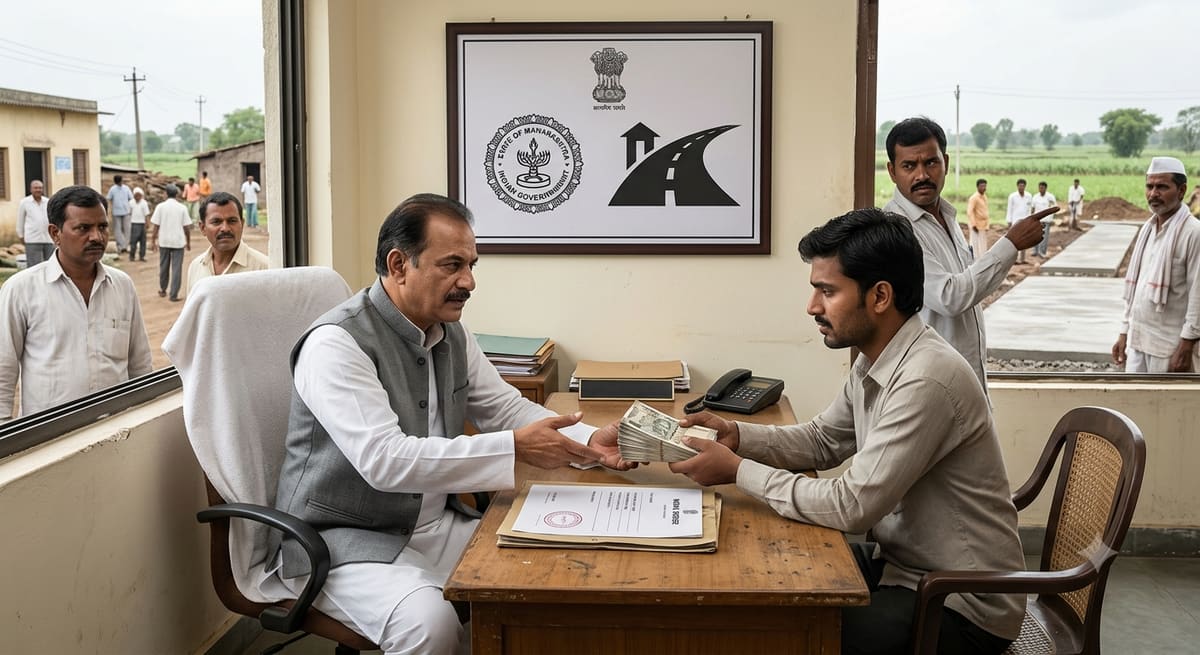

Section 14(1)(g) MVP Act | Payment to Relative for Non-Existent Work Does Not Constitute 'Interest in Panchayat Work' : Bombay HC
Case Law Analysis
|Bombay High Court

Section 14(1)(g) MVP Act | Payment to Relative for Non-Existent Work Does Not Constitute 'Interest in Panchayat Work' : Bombay HC

The Bombay High Court has ruled that disbursing funds to a family member for work that never occurred cannot trigger disqualification under Section 14(1)(g) of the Maharashtra Village Panchayats Act. This sets a critical precedent: financial transactions with relatives, absent actual involvement in panchayat functions, do not amount to conflict of interest-protecting elected representatives from overbroad interpretations of disqualification.

RTPP Rules | Shared Infrastructure Presumes Conflict of Interest in Tenders: Rajasthan HC Disqualifies Bid Without Proof of Collusion
Case Law Analysis
|Rajasthan High Court

RTPP Rules | Shared Infrastructure Presumes Conflict of Interest in Tenders: Rajasthan HC Disqualifies Bid Without Proof of Collusion

Rajasthan High Court rules that shared premises, common chartered accountant, and notary between bidders create a rebuttable presumption of conflict of interest under Rule 81(3)(D) of the RTPP Rules, justifying disqualification even without evidence of actual bid rigging. The ruling sets a strict standard for bidder independence in public procurement.

Section 12(5) Arbitration Act | Managing Director of State Utility Disqualified as Contractual Arbitrator Appointing Authority Due to Conflict of Interest : Punjab & Haryana HC
Case Law Analysis
|Punjab and Haryana High Court

Section 12(5) Arbitration Act | Managing Director of State Utility Disqualified as Contractual Arbitrator Appointing Authority Due to Conflict of Interest : Punjab & Haryana HC

The Punjab & Haryana High Court held that a state electricity utility’s Managing Director cannot appoint an arbitrator under a contractual clause when the dispute involves the utility’s own contractual obligations, as this creates an inherent conflict of interest under Section 12(5) of the Arbitration Act. This ruling reinforces the independence requirement for arbitrator appointments in public utility contracts and protects parties from biased appointment mechanisms.

Article 14 Mandates CBI Probe for Non-Tender Awards & Conflict of Interest in Public Procurement : SC
Case Law Analysis
|Supreme Court of India

Article 14 Mandates CBI Probe for Non-Tender Awards & Conflict of Interest in Public Procurement : SC

Supreme Court directs CBI investigation into Arunachal Pradesh’s public works contracts, citing systemic violations of tender norms, missing records, and conflicts of interest involving high officials. The ruling reinforces that transparency and accountability in public procurement are non-negotiable constitutional obligations under Article 14, setting a precedent for stricter scrutiny of state-led contract awards.

Section 12(5) & Seventh Schedule Arbitration Act | Commissioner with Institutional Interest Disqualified as Arbitrator : MP HC
Case Law Analysis
|Madhya Pradesh High Court

Section 12(5) & Seventh Schedule Arbitration Act | Commissioner with Institutional Interest Disqualified as Arbitrator : MP HC

MP High Court rules that a Commissioner of Urban Administration cannot serve as an arbitrator under the Arbitration and Conciliation Act due to direct conflict of interest under the Seventh Schedule. The judgment reinforces that even party-appointed arbitrators in a three-member tribunal must be impartial and independent, invalidating unilateral appointments by state entities with vested interests.

Section 12(5) Arbitration Act | Party-Appointed Government Official as Arbitrator Void for Impartiality: MP HC Jabalpur
Case Law Analysis
|Madhya Pradesh High Court

Section 12(5) Arbitration Act | Party-Appointed Government Official as Arbitrator Void for Impartiality: MP HC Jabalpur

MP High Court rules that a Principal Secretary of the Transport Department cannot serve as sole arbitrator under a contract due to inherent bias, applying Section 12(5) of the Arbitration and Conciliation Act. The judgment reinforces that party-appointed arbitrators with direct departmental ties violate statutory impartiality requirements, impacting all government-contractor disputes with similar clauses.