Topic

CBSE

3 articlesLatest May 2026
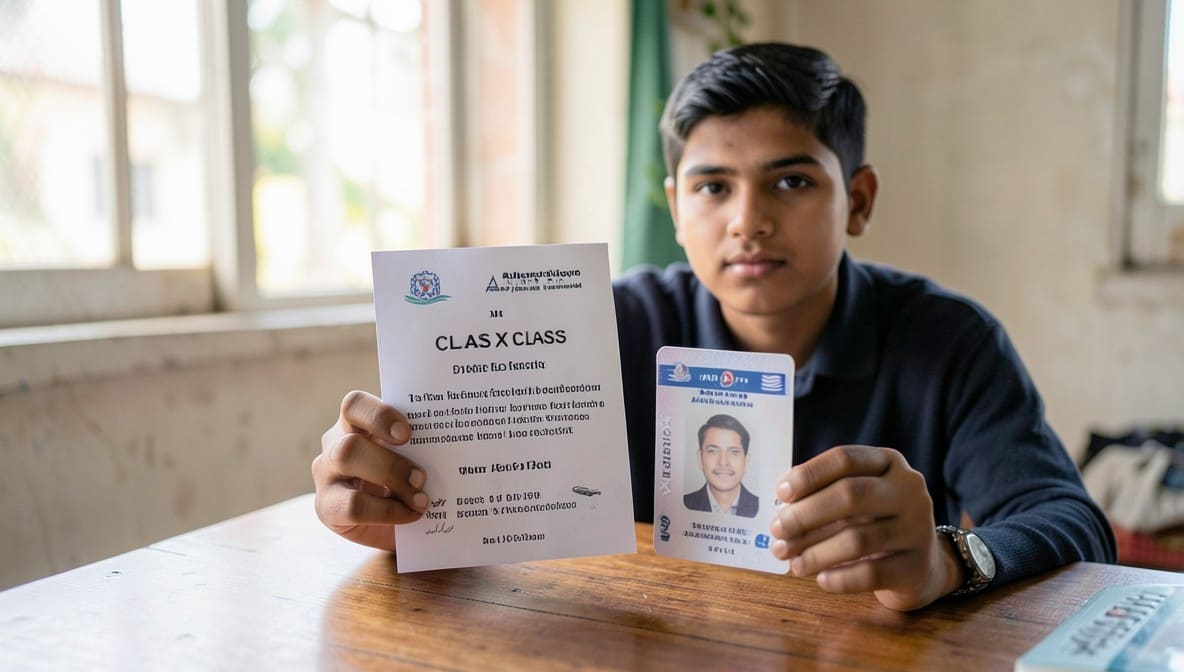
Public Documents Prevail Over Academic Records for Date of Birth Correction | CBSE Must Align Class X Certificate with MCD Birth Certificate, Aadhaar, or Passport : Delhi HC
Case Law Analysis
|Delhi High Court

Public Documents Prevail Over Academic Records for Date of Birth Correction | CBSE Must Align Class X Certificate with MCD Birth Certificate, Aadhaar, or Passport : Delhi HC

The Delhi High Court has ruled that statutory public documents like birth certificates, Aadhaar, and passports take precedence over school records when correcting a student's date of birth on CBSE certificates. This sets a binding standard for educational boards nationwide, ensuring identity consistency across government systems and protecting individuals from administrative errors rooted in institutional negligence.
Article 226 | Madras HC Directs CBSE to Conduct Exams at Neutral Venue for Harassed Student Denied School Access
Case Law Analysis
|Madras High Court

Article 226 | Madras HC Directs CBSE to Conduct Exams at Neutral Venue for Harassed Student Denied School Access

The Madras High Court invoked its writ jurisdiction under Article 226 to ensure a student’s right to education, directing the CBSE to conduct examinations at a neutral venue after the school allegedly harassed the student, preventing attendance. The ruling reinforces that schools cannot bar students from exams due to internal disputes or relocation, safeguarding examination rights under the Right to Education.

Mere Possession of Mobile Phone in CBSE Exam Hall Triggers Cancellation of Current and Next Year's Exams | Category-3 Penalty Upheld : Karnataka High Court
Case Law Analysis
|Karnataka High Court

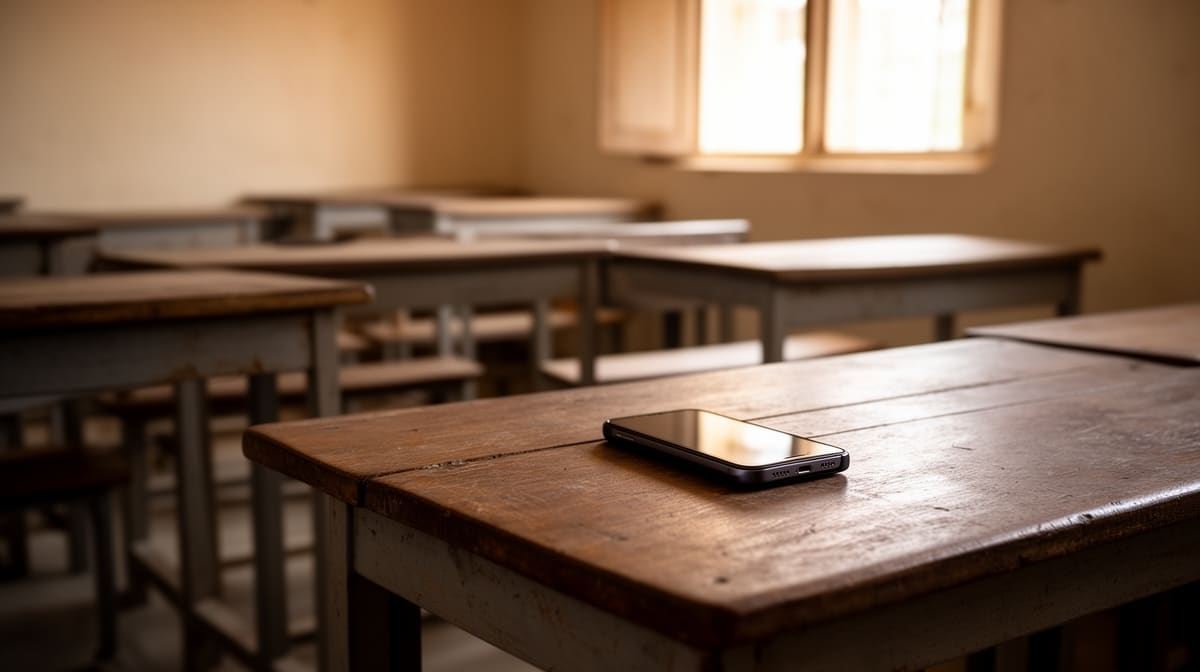
Mere Possession of Mobile Phone in CBSE Exam Hall Triggers Cancellation of Current and Next Year's Exams | Category-3 Penalty Upheld : Karnataka High Court

The Karnataka High Court has affirmed that even unutilized possession of a mobile phone during a CBSE examination constitutes unfair means under Category-3 penalties, resulting in automatic cancellation of the current and subsequent year's exams. This ruling eliminates judicial discretion to mitigate penalties, reinforcing a zero-tolerance stance that impacts thousands of students and schools across India.