Topic

Amalgamation

7 articlesLatest July 2026
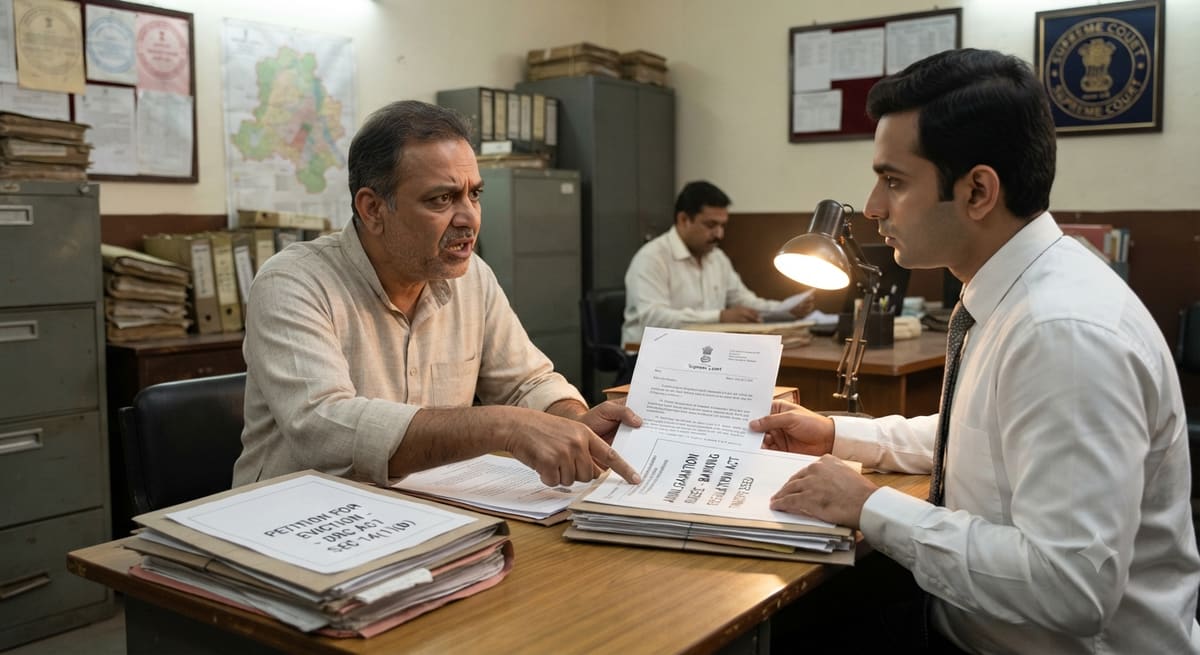
Section 14(1)(b) DRC Act | Amalgamation Under Banking Regulation Act Triggers Eviction Without Landlord Consent : SC
Case Law Analysis
|Supreme Court of India

Section 14(1)(b) DRC Act | Amalgamation Under Banking Regulation Act Triggers Eviction Without Landlord Consent : SC

The Supreme Court ruled that amalgamation of a tenant bank under Section 45(7) of the Banking Regulation Act, without the landlord's written consent, constitutes a ground for eviction under Section 14(1)(b) of the Delhi Rent Control Act. This holding applies regardless of the involuntary nature of the amalgamation, impacting tenancy rights and corporate restructuring in property disputes.
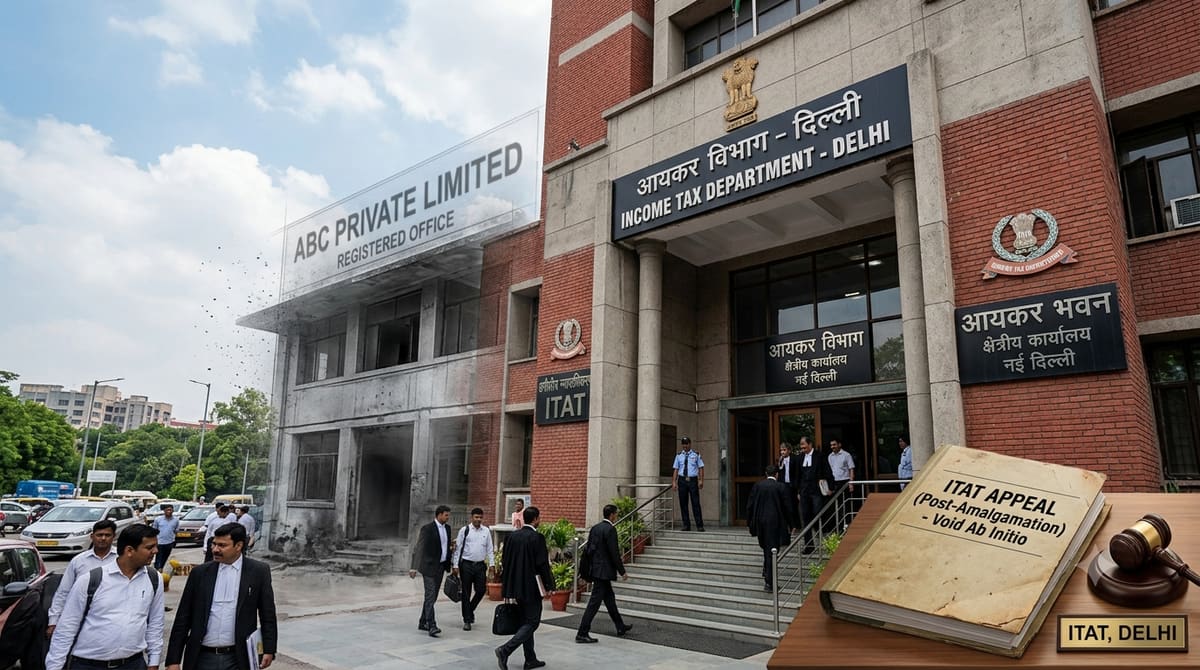

Section 147 Income Tax Act | Assessment Against Non-Existent Entity Void Ab Initio: ITAT Delhi Quashes Reassessment Post-Amalgamation
Case Law Analysis
|Income Tax Appellate Tribunal

Section 147 Income Tax Act | Assessment Against Non-Existent Entity Void Ab Initio: ITAT Delhi Quashes Reassessment Post-Amalgamation

ITAT Delhi rules that tax assessments under Section 147 against a merged entity are legally unsustainable, as proceedings cannot be initiated against a non-existent legal person. The ruling reinforces that jurisdictional defects render such assessments void, impacting tax authorities' powers in post-amalgamation scenarios.

Section 87 CGST Act | GST Proceedings Against Non-Existent Amalgamated Entity Void Ab Initio : Bombay HC
Case Law Analysis
|Bombay High Court

Section 87 CGST Act | GST Proceedings Against Non-Existent Amalgamated Entity Void Ab Initio : Bombay HC

Bombay High Court rules that GST authorities cannot initiate proceedings under Section 74 CGST Act against a company that ceased to exist post-amalgamation. The judgment clarifies that Section 87 CGST Act does not empower tax authorities to pursue demands against successor entities, quashing a Rs. 42.65 crore demand and reinforcing corporate legal continuity principles.

Section 32(1) IT Act | Goodwill from Pre-2021 Amalgamation Eligible for Depreciation: ITAT Ahmedabad Upholds Smifs Securities Precedent
Case Law Analysis
|Income Tax Appellate Tribunal

Section 32(1) IT Act | Goodwill from Pre-2021 Amalgamation Eligible for Depreciation: ITAT Ahmedabad Upholds Smifs Securities Precedent

ITAT Ahmedabad reaffirms that goodwill arising from amalgamations prior to the 2021 Finance Act amendment qualifies for depreciation under Section 32(1) of the Income Tax Act. The ruling reinforces the Smifs Securities precedent, impacting tax treatment for corporate mergers and intangible asset valuation.

No Successor Entitlement to Pre-Amalgamation Losses Under Kerala Agricultural Income Tax Act : SC | Section 54 Bars Set-Off Without Explicit Statutory Provision
Case Law Analysis
|Supreme Court of India

No Successor Entitlement to Pre-Amalgamation Losses Under Kerala Agricultural Income Tax Act : SC | Section 54 Bars Set-Off Without Explicit Statutory Provision

The Supreme Court ruled that an amalgamated company cannot claim set-off of pre-amalgamation losses under the Kerala Agricultural Income Tax Act, 1991, as Section 54 does not expressly permit such transfer. The judgment underscores that contractual clauses cannot override statutory limitations, impacting corporate restructuring and tax planning strategies.

Article 25(da) Stamp Act | Goodwill and Share Premium Are Non-Taxable Accounting Entries in Amalgamations With No Consideration : Bombay HC
Case Law Analysis
|Bombay High Court

Article 25(da) Stamp Act | Goodwill and Share Premium Are Non-Taxable Accounting Entries in Amalgamations With No Consideration : Bombay HC

The Bombay High Court has ruled that stamp duty cannot be levied on amalgamation orders where no shares are issued and no consideration is paid, even if book entries reflect goodwill or share premium. This clarifies that accounting adjustments alone do not trigger stamp liability under Article 25(da), offering critical relief to corporate restructuring transactions across India.

Assessment Order in Name of Non-Existent Amalgamating Entity Void Ab Initio | Section 292B IT Act No Cure for Jurisdictional Defect : Delhi HC
Case Law Analysis
|Delhi High Court

Assessment Order in Name of Non-Existent Amalgamating Entity Void Ab Initio | Section 292B IT Act No Cure for Jurisdictional Defect : Delhi HC

Delhi High Court rules that an income tax assessment order issued in the name of an amalgamating entity post-merger is void from the outset, even if caused by an ITBA system glitch. The court held that Section 292B of the Income Tax Act cannot remedy such a jurisdictional defect, reinforcing the precedent that procedural compliance is non-negotiable in tax assessments.