Topic

Admissions

4 articlesLatest September 2026
Admissions in Pleadings Cannot Be Withdrawn via Amendment to Raise Limitation Defense: MP HC
Case Law Analysis
|Madhya Pradesh High Court

Admissions in Pleadings Cannot Be Withdrawn via Amendment to Raise Limitation Defense: MP HC

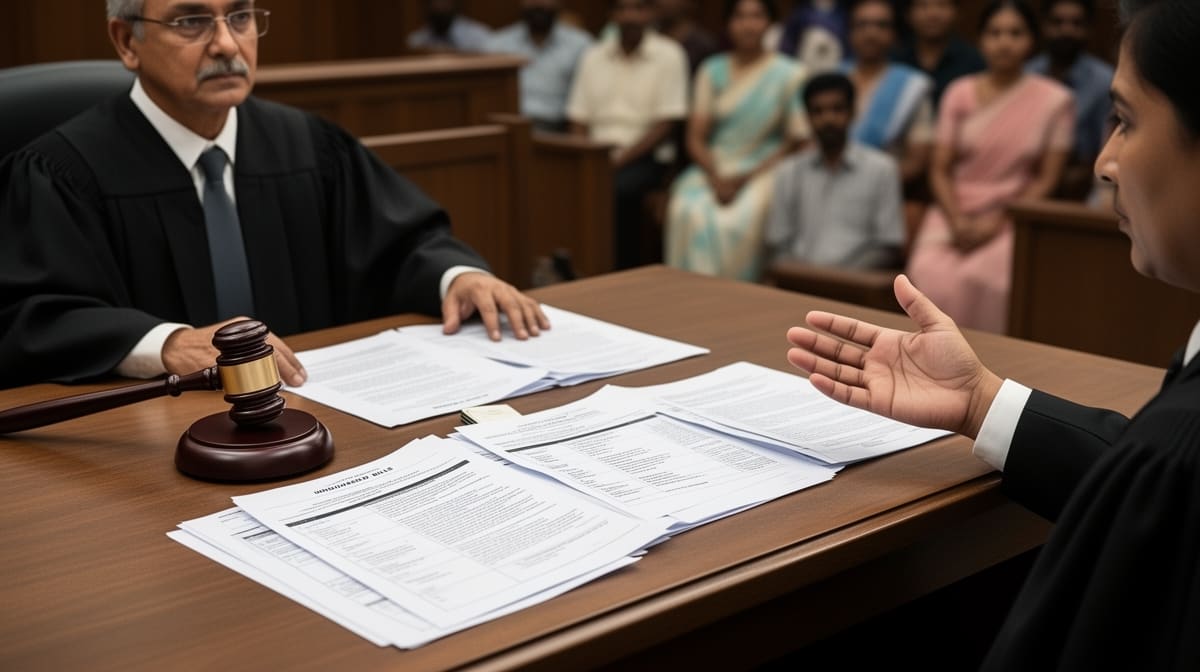
The Madhya Pradesh High Court ruled that once admissions are made in a written statement, they cannot be retracted through subsequent amendments to introduce a limitation defense. The decision reinforces that judicial admissions bind parties and cannot be undone to alter the cause of action's timeline, impacting civil litigation strategy for defendants.

Order VIII Rule 9 CPC | Clear Admissions in Original Written Statement Cannot Be Overridden by Later Leave to File Additional Pleading : Bombay HC
Case Law Analysis
|Bombay High Court

Order VIII Rule 9 CPC | Clear Admissions in Original Written Statement Cannot Be Overridden by Later Leave to File Additional Pleading : Bombay HC

The Bombay High Court has ruled that defendants cannot use leave to file an additional written statement to retract or contradict clear, unambiguous admissions made in their original pleadings, even if the error stems from counsel’s inadvertence. This reinforces the finality of pleadings under CPC and prevents tactical manipulation of procedural leeway, directly impacting litigants and practitioners in commercial disputes where admissions shape summary judgment outcomes.

Section 58 Evidence Act | Admissions in Pleadings/Evidence Bind Courts in Contract Disputes : PHHC Limits RSA Interference to Legal Errors Only
Case Law Analysis
|Punjab and Haryana High Court

Section 58 Evidence Act | Admissions in Pleadings/Evidence Bind Courts in Contract Disputes : PHHC Limits RSA Interference to Legal Errors Only

Punjab & Haryana High Court holds that admissions made in pleadings or evidence under Section 58 of the Evidence Act obviate the need for further proof of unsigned bills in contract disputes. The ruling restricts second appeals (RSA) to legal errors only, reinforcing the binding nature of admissions in civil proceedings and reducing appellate interference in concurrent findings.