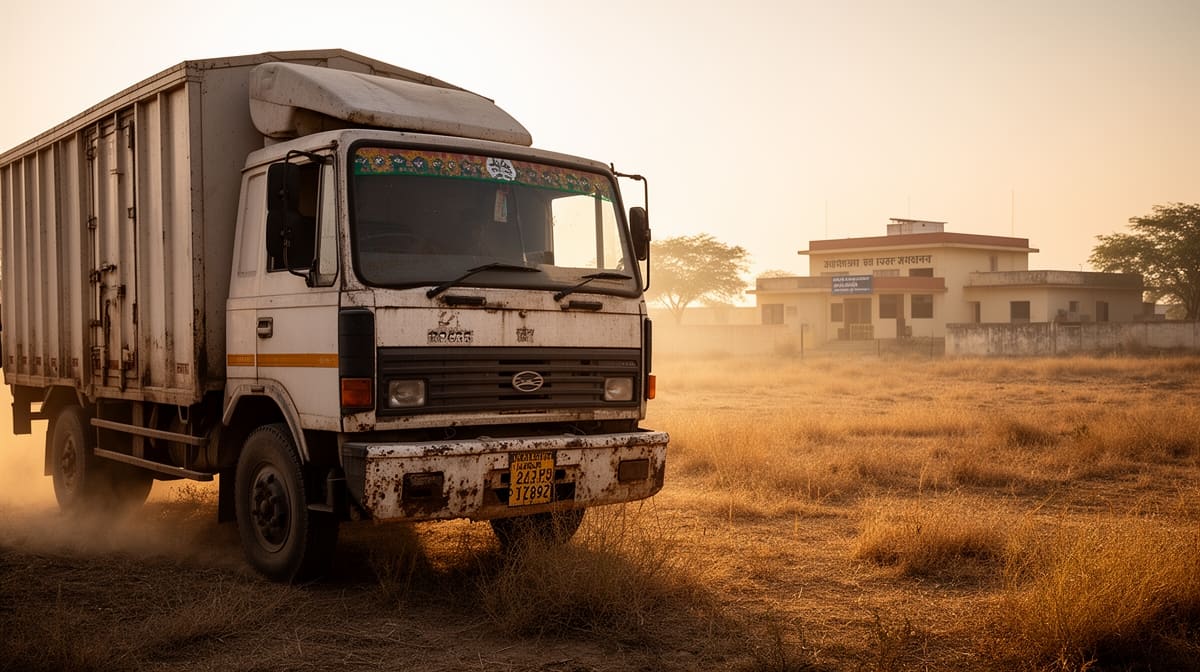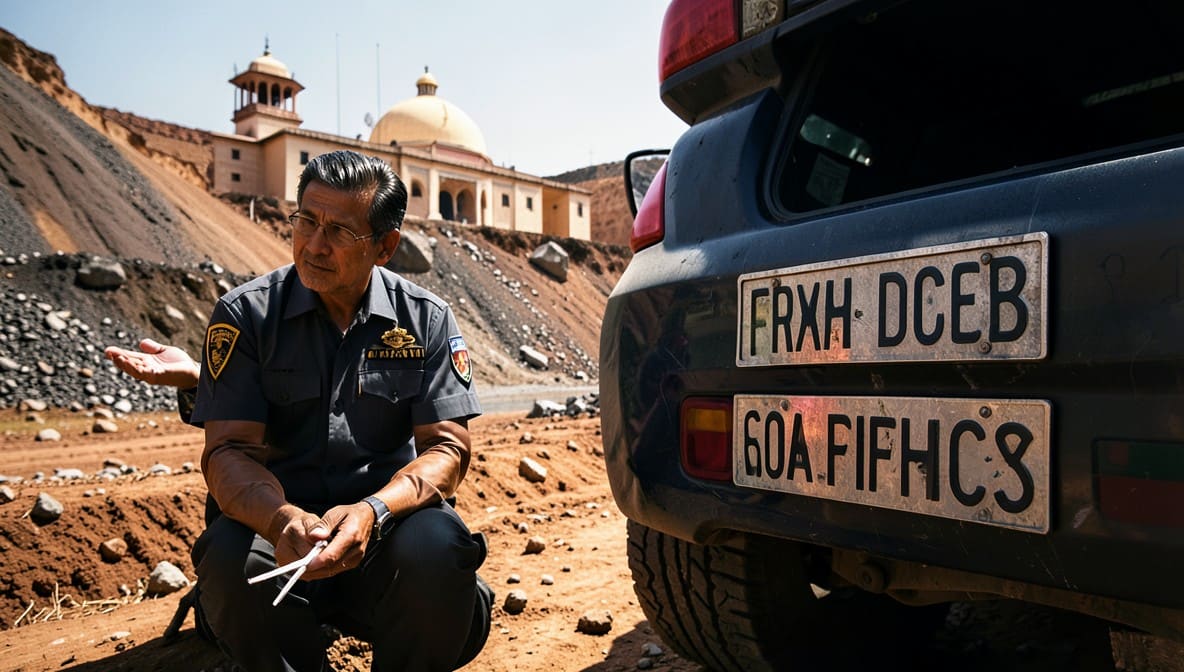
The Rajasthan High Court has reiterated the legal position governing the release of vehicles seized under mining laws, holding that confiscation proceedings necessitate payment of penalty and compounding fees rather than mere supurdaginama. This judgment provides clarity on the procedural requirements for interim custody of seized vehicles, balancing the powers of criminal courts and mining authorities.
Background & Facts
The Dispute
The petitioner, Kamlesh Keer, sought the release of his vehicle (No. RJ-06-RE-2809) seized by the Rajasthan Mines and Minerals Department for alleged violations of mining laws. The petitioner challenged an impugned order dated 30.03.2026, which denied the release of the vehicle on supurdaginama (a bond of surety).
Key Facts
- The vehicle was seized by the mining authorities for alleged violations of mining laws.
- The petitioner filed a criminal miscellaneous petition (S.B. Criminal Miscellaneous Petition No. 2923/2026) seeking its release.
- The dispute hinged on whether the vehicle could be released on supurdaginama or only upon payment of penalty and compounding fees.
Procedural History
- 30.03.2026: Impugned order passed denying the release of the vehicle on supurdaginama.
- 13.04.2026: Present petition filed before the Rajasthan High Court seeking relief.
Relief Sought
The petitioner sought the quashing of the impugned order dated 30.03.2026 and a direction for the release of his vehicle, either on supurdaginama or upon compliance with the legal requirements laid down by the Court.
The Legal Issue
The central question was whether a vehicle seized under mining laws could be released on supurdaginama alone, or whether its release was contingent upon the payment of penalty and compounding fees as part of confiscation proceedings.
Arguments Presented
For the Petitioner
The petitioner’s counsel relied on the judgment in Chaina Ram v. State of Rajasthan and other coordinate bench decisions to argue that the vehicle should be released on supurdaginama, as the confiscation proceedings had not yet been initiated or concluded by the mining department.
For the Respondent
The Additional Advocate General, representing the mining department, contended that the legal position was settled in Chaina Ram and other cases, wherein it was held that vehicles could only be released upon payment of penalty and compounding fees once confiscation proceedings were initiated.
The Court's Analysis
The Court observed that the controversy was no longer res integra (a settled matter) in light of the judgment in Chaina Ram v. State of Rajasthan (S.B. Criminal Misc. Petition No. 597/2024, decided on 19.05.2025). The Court extracted the following key principles from the judgment:
"Under the mining laws, the state authorities have the powers for initiating confiscation proceedings in relation to the vehicles seized for violation of the mining laws. It is once the confiscation proceedings are initiated, the vehicle cannot be released on supurdaginama as prayed by few of the petitioners. However, the said vehicles can only be released on payment of penalty and compounding fees. Whereas, the vehicles qua which no confiscation proceedings have yet been commenced, the competent criminal Court can handover interim custody of the vehicles to its true owner as a criminal Court is not supposed to keep a vehicle detained until the confiscation proceedings are commenced and concluded by the mining department."
The Court further clarified that in cases where interim custody had already been granted on supurdaginama, the mining department retained the authority to pass confiscation orders and reclaim the vehicles in accordance with the law.
The Verdict
The Court set aside the impugned order dated 30.03.2026 and disposed of the petition with a direction to the petitioner to file a fresh application for the release of his vehicle (No. RJ-06-RE-2809) before the competent court. The competent court was directed to decide the fresh application in accordance with the observations made in Para 8 of the judgment in Chaina Ram. All pending applications were disposed of accordingly.
What This Means For Similar Cases
Confiscation Proceedings Require Penalty Payment
- The judgment establishes that vehicles seized under mining laws cannot be released on supurdaginama alone once confiscation proceedings are initiated.
- Release is contingent upon payment of penalty and compounding fees, ensuring that mining authorities retain control over enforcement.
Interim Custody Before Confiscation Proceedings
- For vehicles where confiscation proceedings have not yet commenced, criminal courts may grant interim custody to the true owner.
- This balances the rights of vehicle owners with the regulatory powers of the mining department.
Mining Authorities Retain Post-Custody Powers
- Even if interim custody is granted on supurdaginama, mining authorities can later initiate confiscation proceedings and reclaim the vehicle.
- This underscores the non-finality of interim custody orders and the need for compliance with mining laws.