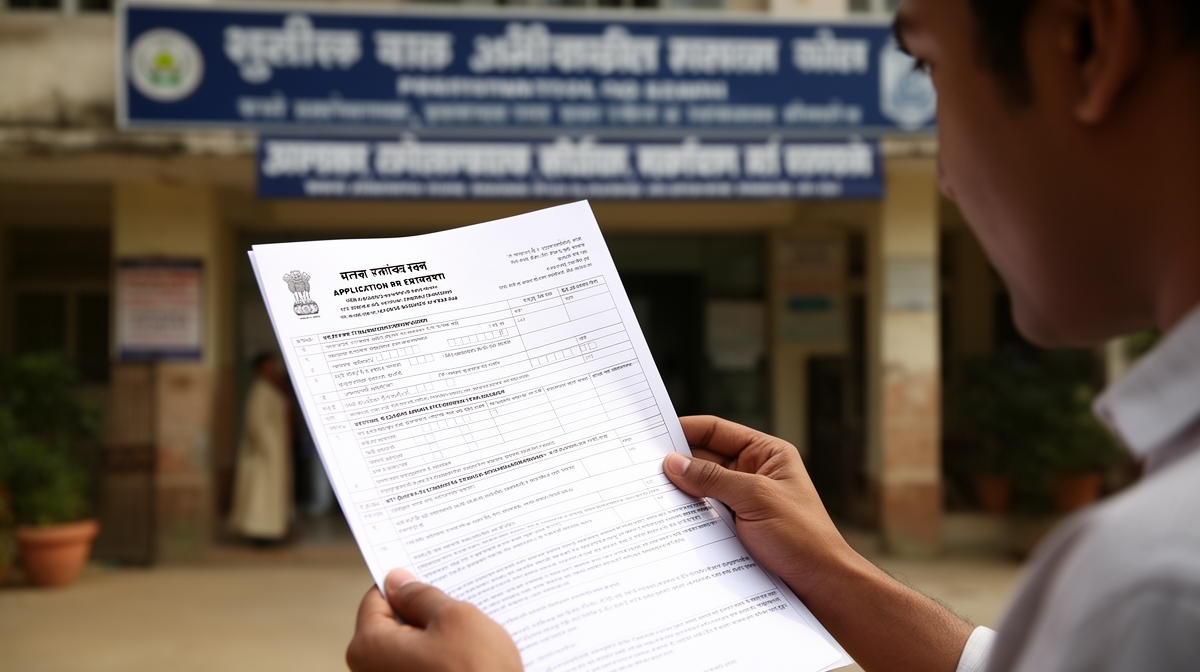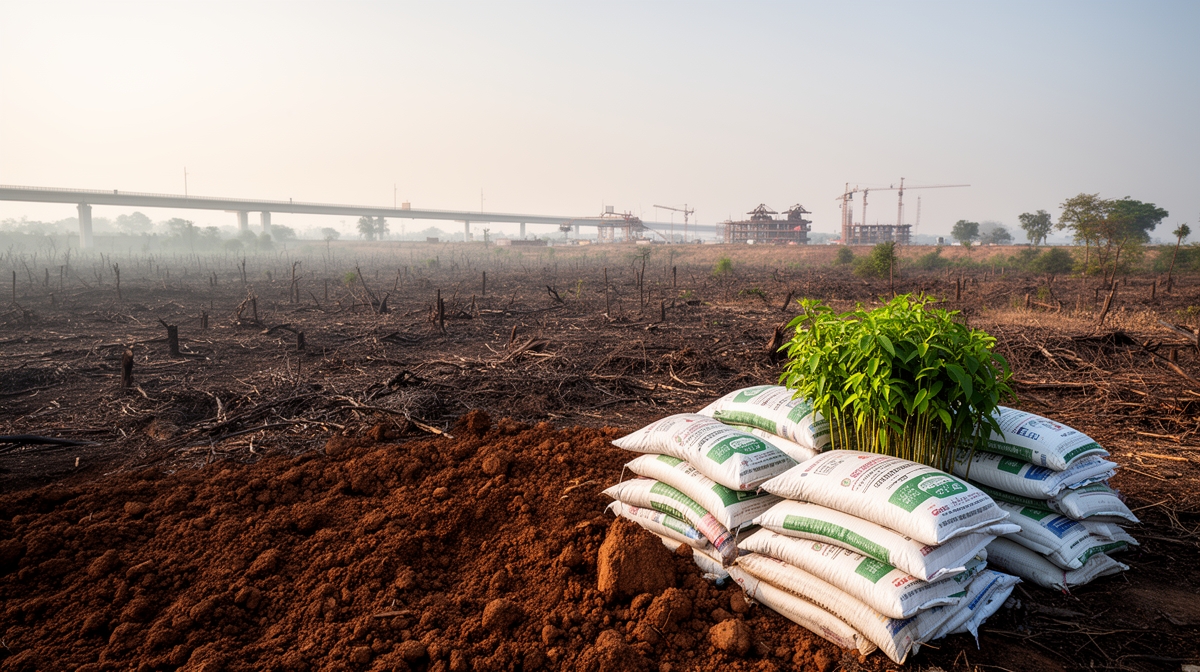

A landmark exercise of suo moto jurisdiction by the National Green Tribunal has triggered a formal environmental inquiry based solely on a newspaper report detailing explosive detonations near schools in Rajasthan. The Tribunal’s decision to act without a formal petition underscores the growing recognition of media reports as credible triggers for environmental accountability, especially when public safety and ecological integrity are at stake.
Background & Facts
The Dispute
A news article published in Rajasthan Patrika on 24 November 2025, titled "अनदे खी बनन माफिया खुलेआम कर रहे फिस्पीट जनजीिन असुरफित दहशतः मंफदर स्कूल ं तक गूंज रहे धमाके में कांप जाते हैं" ("The unregulated mafia openly conducts explosions; citizens live in fear; tremors shake even school buildings"), alleged repeated, unauthorised explosive detonations in the districts of Tonk, Sawai Madhopur, Jaipur, and Kotputli. The report claimed these blasts, allegedly linked to illegal mining or quarrying activities, were causing structural damage to residential buildings and schools, and posing acute health and safety risks to local populations.
Procedural History
- The National Green Tribunal took cognizance of the report on its own motion (suo moto) on 30 January 2026.
- No formal petition or complainant was filed before the Tribunal.
- The Central Pollution Control Board (CPCB) and State Pollution Control Board (SPCB) were initially named as respondents.
- The Tribunal subsequently directed the impleading of four District Magistrates as additional respondents to ensure local administrative accountability.
Relief Sought
The Tribunal did not specify a formal relief sought by a petitioner, but implicitly sought: (1) immediate cessation of unauthorised blasting activities; (2) assessment of environmental and structural damage; (3) identification of responsible entities; and (4) implementation of remedial and preventive measures.
The Legal Issue
The central question was whether the National Green Tribunal can invoke suo moto jurisdiction under the National Green Tribunal Act, 2010 based solely on a media report alleging environmental harm, without a formal complaint or petition.
Arguments Presented
For the Appellant/Petitioner
No formal petitioner appeared. The Tribunal acted independently, implying that the absence of a petitioner does not preclude intervention where public interest and environmental harm are evident from credible media documentation.
For the Respondent/State
Representatives from the CPCB, SPCB, and State of Rajasthan appeared but did not contest the Tribunal’s jurisdiction. The State’s counsel sought to add District Magistrates as respondents, indicating acceptance of the need for local-level accountability.
The Court's Analysis
The Tribunal grounded its action in the broad remedial mandate of the National Green Tribunal Act, 2010, which empowers it to take up matters in the interest of environmental justice. The Court observed that public interest litigation and suo moto intervention are not confined to formal petitions but extend to situations where credible public reports reveal systemic environmental neglect.
"The Tribunal is not a passive adjudicator but a proactive guardian of environmental rights. When credible media reports reveal potential violations causing widespread harm to public health and ecological stability, inaction would be a dereliction of statutory duty."
The Tribunal distinguished this from routine media speculation by noting the specificity of the report - naming districts, describing physical effects (tremors in schools), and implicating a pattern of conduct. It further relied on the principle of precautionary action under Section 5 of the Environment (Protection) Act, 1986, which permits preventive measures even in the absence of conclusive scientific proof.
The decision to constitute a tripartite fact-finding committee - comprising representatives from CPCB, MoEF&CC, and SPCB - demonstrated a commitment to evidence-based adjudication. The Tribunal emphasized that procedural fairness does not require a petitioner to initiate action when the state’s own regulatory machinery has failed to detect or respond to an emerging crisis.
The Verdict
The National Green Tribunal ruled in favor of public interest. It held that suo moto jurisdiction is validly exercisable when credible media reports reveal potential violations of environmental law with imminent public harm. The Tribunal directed the formation of a fact-finding committee and mandated a report within six weeks.
What This Means For Similar Cases
Media Reports Can Trigger Environmental Action
- Practitioners may now cite this judgment to urge NGT to act on verified media reports of pollution, illegal mining, or hazardous waste disposal.
- Environmental NGOs and citizen groups should systematically archive and submit credible press clippings as triggers for NGT intervention.
Accountability Must Extend to Local Administrators
- District Magistrates and local revenue officers are now clearly within the NGT’s purview when environmental harm occurs on their territory.
- Legal teams must include local administrative authorities as respondents in environmental applications, even if not initially named.
Proactive Fact-Finding Is Preferred Over Adversarial Delay
-
The Tribunal prioritised immediate fact-gathering over prolonged pleadings.
-
Practitioners should prepare for expedited timelines: NGT may now appoint committees within days of taking cognizance, bypassing traditional notice-reply cycles.
-
Always request OCR-searchable PDF submissions for environmental reports to ensure evidentiary integrity.
-
Coordinate with State PCBs early - they are now designated as nodal agencies for logistical coordination in NGT-led inquiries.