The Punjab & Haryana High Court has clarified that conditions imposed for the release of seized vehicles on sapurdari must be reasonable, proportionate, and capable of compliance. A bank guarantee exceeding the accused’s financial capacity defeats the purpose of interim release and amounts to de facto denial of relief.
Background & Facts
The Dispute
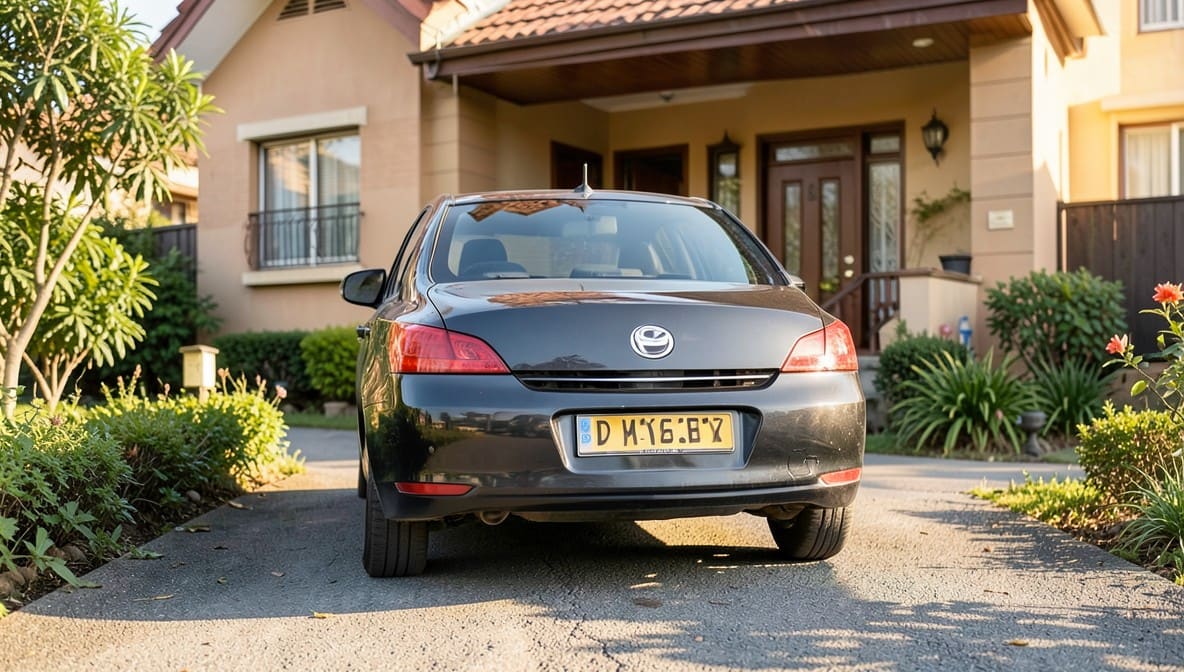
The petitioner, accused in a case arising from FIR No. 206 dated 20.12.2025 registered under Sections 61 and 78(2) of the Punjab Excise Act at Police Station Khuian Sarwar, District Fazilka, faces trial for illicit sale of liquor. The vehicle allegedly used in the commission of the offence - a Maruti Brezza bearing registration number HR-22-R-7257 - was seized by police. The petitioner applied for its release on sapurdari, which the trial court granted but imposed a condition requiring a bank guarantee of Rs.8,00,000.
Key Facts
- The vehicle was seized on 20.12.2025 following the registration of FIR
- Petitioner moved application for release on sapurdari on or before 13.03.2026
- Trial Court order dated 13.03.2026 (Annexure P-4) allowed release on sapurdari subject to bank guarantee of Rs.8,00,000 and other conditions
- Petitioner filed revision petition against the condition on 14.03.2026
- Revisional Court dismissed the revision by order dated 13.04.2026
- Petitioner filed the present petition under Section 528 of Bharatiya Nagarik Suraksha Sanhita, 2023 on 15.04.2026
- The vehicle is a depreciating asset and has been lying at the police station since 20.12.2025
- Petitioner is ready to furnish surety bonds and comply with conditions ensuring production of the vehicle during trial
- No contention that the vehicle is required as case property for evidentiary purposes
Procedural History
- 20.12.2025: FIR No. 206 registered under Sections 61 and 78(2) of Punjab Excise Act
- 13.03.2026: Trial Court order granting release on sapurdari with bank guarantee of Rs.8,00,000
- 14.03.2026: Petitioner files revision petition against the condition
- 13.04.2026: Revisional Court dismisses revision petition
- 15.04.2026: Petitioner files present petition under Section 528 BNS, 2023
- 04.05.2026: Judgment delivered by High Court
Relief Sought
The petitioner sought setting aside or modification of the bank guarantee condition of Rs.8,00,000, arguing it was arbitrary, excessive, and beyond his financial means. He requested substitution with reasonable security such as surety bonds and continuation of other conditions.
The Legal Issue
The central question was whether the condition of furnishing a bank guarantee of Rs.8,00,000 for release of a seized vehicle on sapurdari is reasonable, proportionate, and compliant with the accused’s financial capacity under Section 528 of Bharatiya Nagarik Suraksha Sanhita, 2023.
Arguments Presented
For the Petitioner
Learned counsel argued that the bank guarantee of Rs.8,00,000 was excessive, arbitrary, and beyond the petitioner’s means, effectively denying him the relief granted. He contended that the vehicle is not required as case property, its continued detention causes depreciation and loss, and the petitioner is willing to provide surety bonds and comply with all conditions for production. He relied on Arshdeep Singh v. State of Punjab (23.02.2021) and Rinku Babu v. State of Punjab (03.02.2025), where this Court held that conditions must be reasonable and capable of compliance.
For the Respondent
The State contended that the bank guarantee was necessary to safeguard prosecution interests and ensure the vehicle’s production during trial. It argued that the condition was lawful and no illegality or infirmity existed in the orders of the courts below.
The Court's Analysis
The Court observed that the object of granting release on sapurdari is to preserve the property while avoiding undue hardship to the owner. It emphasized that while courts are entitled to impose conditions to ensure production of the vehicle, such conditions must be reasonable and proportionate. The Court noted that the vehicle is not required as case property and its prolonged detention at the police station results in depreciation.
"Imposition of an excessively onerous condition, which the petitioner is unable to fulfil due to financial constraints, would in effect defeat the very relief granted by the Court."
The Court distinguished between securing production and imposing financial barriers that render relief illusory. It held that the petitioner’s willingness to furnish surety bonds and abide by conditions demonstrated his cooperation, making a bank guarantee of Rs.8,00,000 unnecessary and disproportionate. The Court further noted that prior decisions in Arshdeep Singh and Rinku Babu established a clear precedent requiring reasonableness in such conditions.
The Verdict
The petition was allowed. The impugned orders dated 13.03.2026 and 13.04.2026 were modified to reduce the bank guarantee from Rs.8,00,000 to Rs.4,00,000. All other conditions imposed by the trial court remain unchanged. The Court clarified that in the event of failure to produce the vehicle as directed, the State may seek appropriate remedies under law.
What This Means For Similar Cases
Conditions Must Be Financially Realistic
- Practitioners must challenge bank guarantees or surety amounts that exceed the accused’s demonstrable financial capacity
- Courts cannot impose conditions that render interim relief meaningless due to economic hardship
- Surety bonds or personal bonds should be considered as viable alternatives to bank guarantees
Vehicle Seizure ≠ Case Property
- If a seized vehicle is not required for evidentiary purposes, its prolonged detention is unjustified
- Depreciation and loss of utility are valid grounds for seeking early release on reasonable terms
- Courts must balance state interest with the owner’s right to preserve asset value
Precedent Reinforces Proportionality
- Arshdeep Singh and Rinku Babu now form binding precedent for sapurdari conditions in Punjab and Haryana
- Any condition exceeding Rs.5,00,000 without specific justification will face heightened scrutiny
- Petitioners should routinely file affidavits of financial status to support claims of inability to pay