The Bombay High Court has reaffirmed a foundational principle in contract law: when a suit for specific performance is time-barred, any alternate claim for refund of consideration paid under the same agreement is equally extinguished by limitation. This ruling clarifies the interdependence of primary and alternate reliefs in contractual disputes and reinforces the statutory rigour of the Limitation Act.
Background & Facts
The Dispute
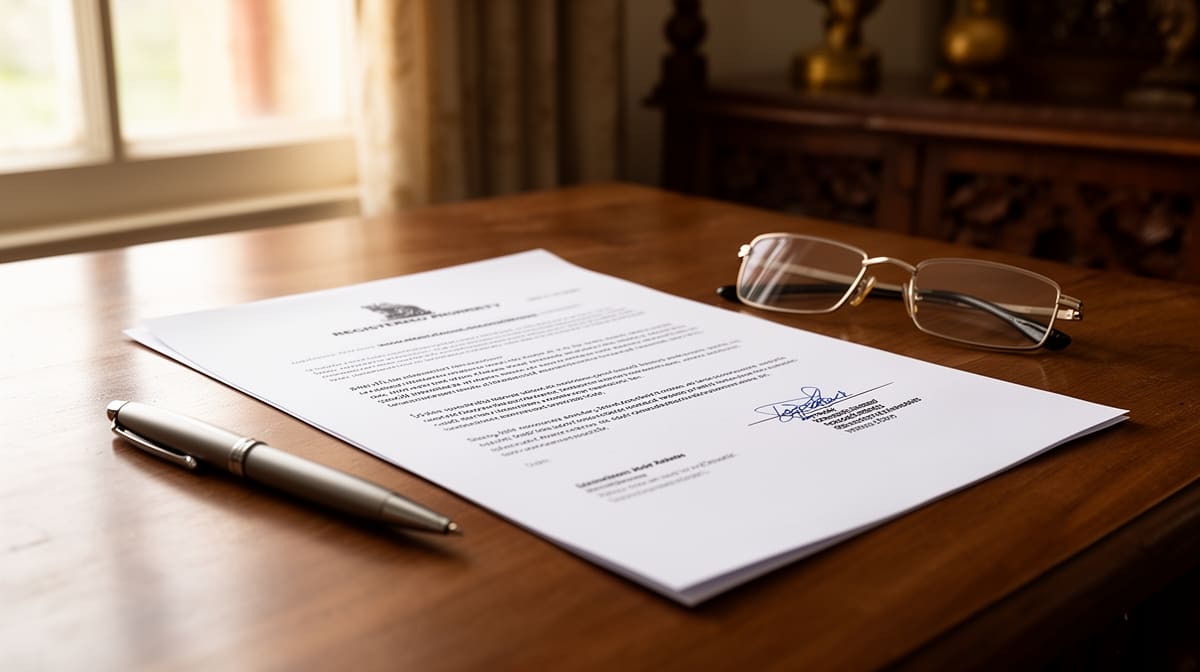
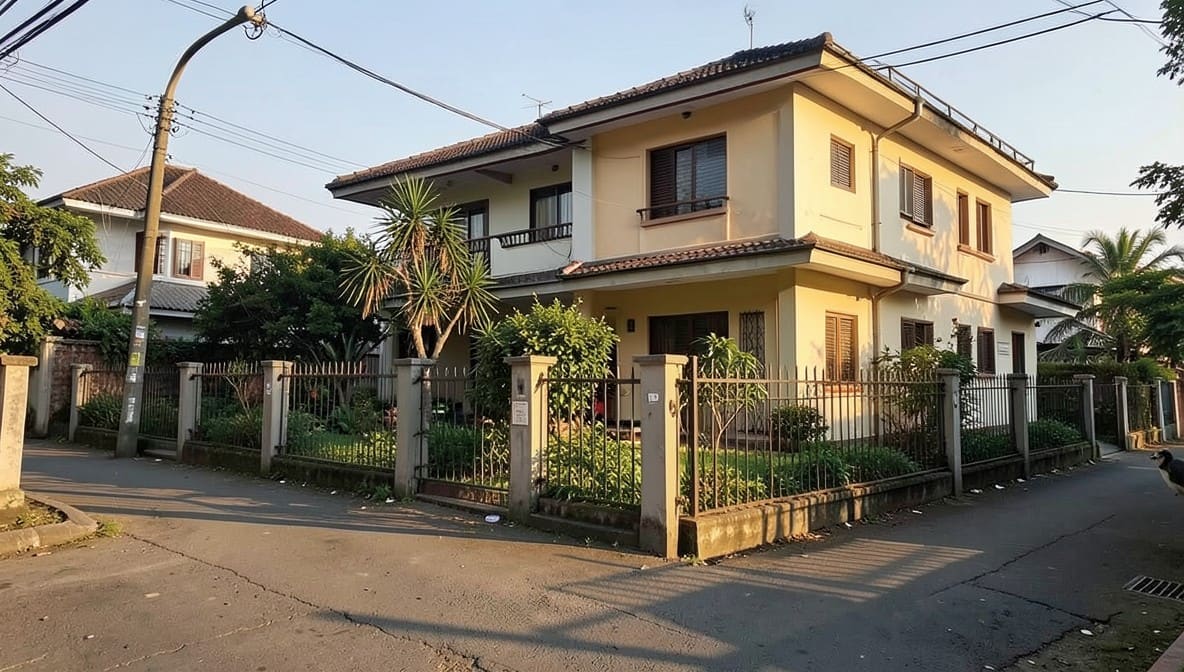
The appellants, legal representatives of the dissolved partnership firm M/s Chhaganlal & Company, entered into two separate agreements of sale dated 8 March 1995 with the respondents for the purchase of immovable properties. Both agreements stipulated that the sale deeds were to be executed by 30 October 1987 - a date that had already passed at the time of signing. Despite this, the appellants made partial payments and sought performance for over a decade. No sale deed was ever executed.
Procedural History
- 1995: Agreements of sale executed with 30-10-1987 as outer limit for completion
- 2000: Appellants filed two suits for specific performance (Suits No. 235/2000 and 236/2000)
- 2005: Trial Court dismissed both suits on grounds of limitation
- 2012: Appellants filed appeals before the District Court
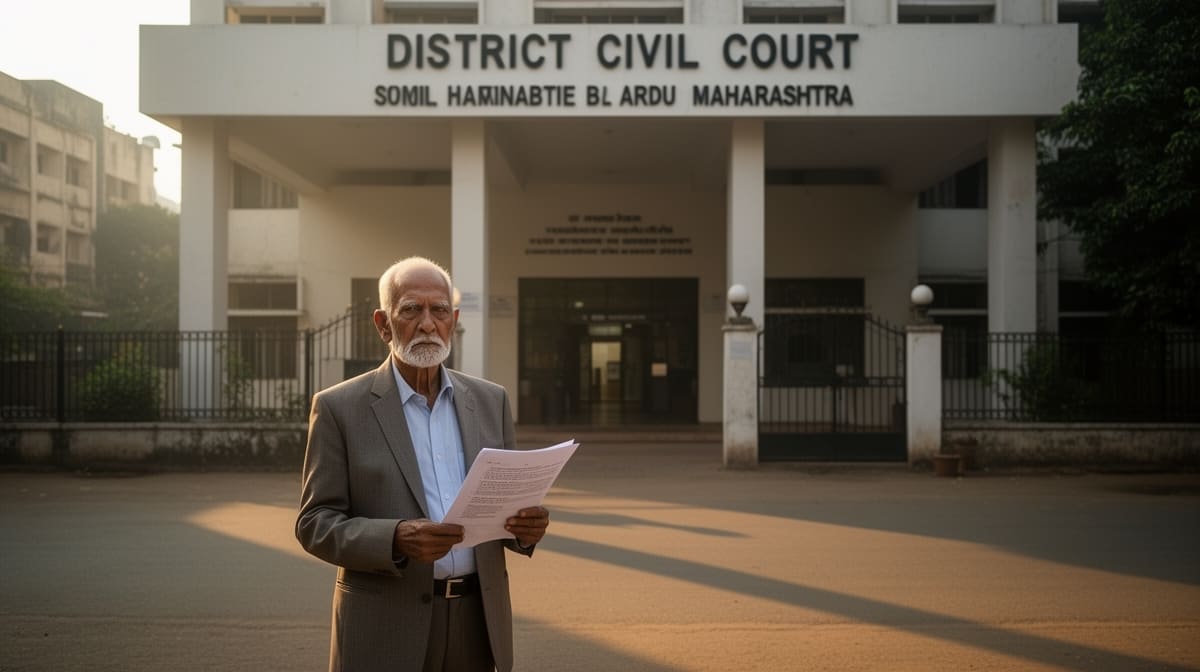
- 2023: District Court dismissed appeals, upholding limitation bar
- 2024: Second appeals filed before Bombay High Court
Relief Sought
The appellants sought specific performance of the sale agreements. In the alternative, they claimed refund of the consideration already paid. The only substantial legal question before the High Court was whether the claim for refund survived when the claim for specific performance was barred by limitation.
The Legal Issue
The central question was whether Section 3 of the Limitation Act, 1963 bars an alternate claim for refund of consideration when the primary claim for specific performance is time-barred, even if the payment was made within a later period.
Arguments Presented
For the Appellant
The appellants contended that the cause of action for refund arose only upon the respondents’ refusal to execute the sale deed after repeated demands, which occurred well after 1987. They relied on S. R. Batliboi v. K. R. Patel to argue that refund claims are independent causes of action, triggered by breach, not by the original contract date. They further argued that the limitation period for refund should be computed from the date of actual refusal, not the contractual deadline.
For the Respondent
The respondents countered that the claim for refund is inextricably linked to the failed contract for specific performance. They relied on Nikhila Divyang Mehta v. Hitesh P. Sanghvi to assert that where the primary relief is barred by limitation, the alternate relief cannot be resurrected merely because it is framed as a money claim. The limitation period for both reliefs, they argued, commences from the date fixed for performance under the agreement.
The Court's Analysis
The Court examined the nature of the alternate relief and its dependency on the primary claim. It held that a claim for refund of consideration is not an independent cause of action but a consequential remedy flowing from the failure to perform the contract. The Court emphasized that Section 3 of the Limitation Act applies uniformly to all reliefs arising from the same transaction.
"Where the suit for specific performance is barred by limitation, the alternate prayer for refund of consideration cannot be allowed to circumvent the statutory bar. The two reliefs are not severable; the refund claim is ancillary and derivative."
The Court distinguished cases where refund claims arose from entirely separate transactions or where consideration was paid without any contractual obligation. Here, the payment was made pursuant to a specific agreement with a fixed performance date. The limitation period for both reliefs therefore commenced on 30 October 1987, and expired on 30 October 1990. The suits filed in 2000 were unquestionably time-barred.
The Court also affirmed the Supreme Court’s recent holding in Nikhila Divyang Mehta v. Hitesh P. Sanghvi, which clarified that courts must not permit litigants to use alternate reliefs as a backdoor to revive barred claims.
The Verdict
The appellants lost. The Court held that when a suit for specific performance is barred by limitation, any alternate claim for refund of consideration under the same agreement is equally extinguished. Both second appeals were dismissed with no order as to costs.
What This Means For Similar Cases
Alternate Relief Cannot Circumvent Limitation
- Practitioners must assess limitation for both primary and alternate reliefs simultaneously
- Filing a refund claim after the limitation period for specific performance has expired will fail, regardless of when refusal occurred
- Drafting pleadings with "alternative prayers" does not extend limitation periods
Contractual Deadlines Are Limitation Triggers
- The outer limit for performance in a sale agreement is the starting point for limitation, even if performance was delayed by mutual acquiescence
- Payments made after the contractual deadline do not reset limitation unless a fresh contract is formed
- Oral assurances or informal extensions do not alter the statutory limitation period
Burden of Proof on Plaintiff to Show Fresh Cause of Action
- Plaintiffs must plead and prove a distinct, independent cause of action for refund - such as a new agreement or fraudulent inducement - to escape the limitation bar
- Mere non-performance of an expired contract does not create a new cause of action