The Bombay High Court has delivered a significant judgment in a group of land acquisition appeals, establishing key principles for determining compensation under the Land Acquisition Act, 1894. The Court held that lands acquired from Village Parhar (Khurd) are comparable with those from Village Dapkeghar, justifying annual escalation at the rate of 12% per annum on the base market value. This ruling reinforces the legal standards for assessing compensation based on comparable evidence and statutory benefits.
Background & Facts
The Dispute
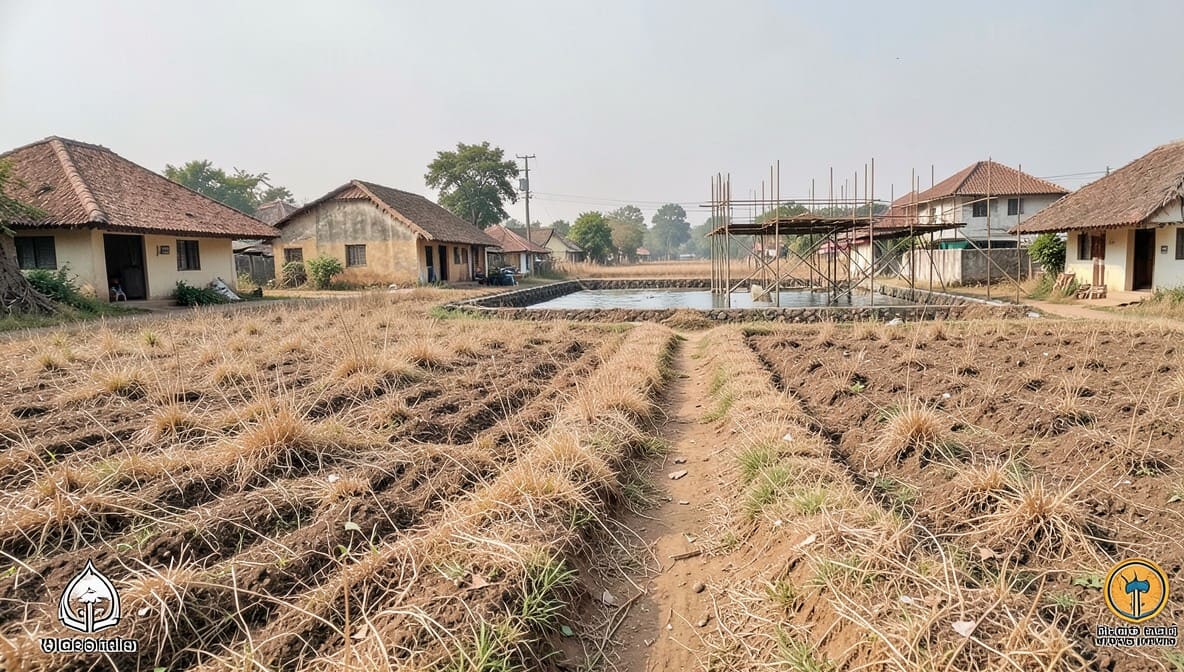
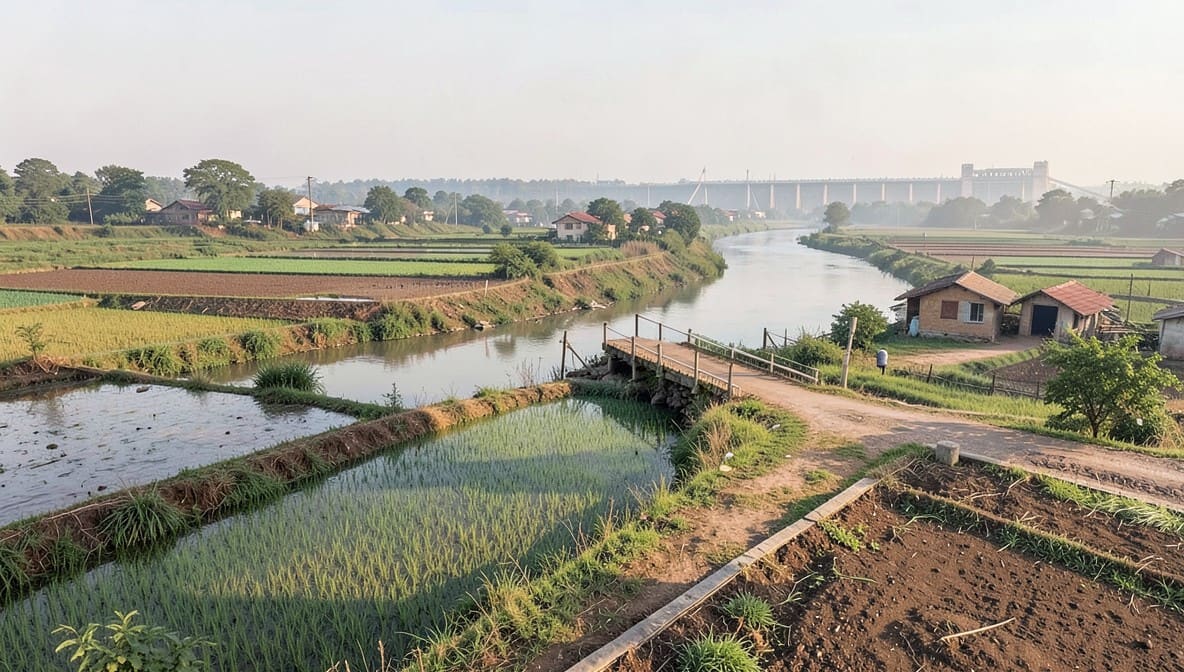
The appeals arise from land acquisition proceedings for the Neera Deoghar Irrigation Project in Village Parhar (Khurd), Taluka Bhor, District Pune. The lands were acquired under Section 4 of the Land Acquisition Act, 1894, with a notification published on 9 October 1997. The Land Acquisition Officer (LAO) passed Award No. LAQ/17/SR/1/95 on 17 May 1999, classifying jirayat lands into four groups and awarding compensation ranging from Rs. 40,000 to Rs. 46,000 per hectare. Dissatisfied with the compensation, the claimants sought references under Section 18 of the Act, claiming Rs. 3,68,000 per hectare.
Key Facts
- Notification under Section 4: Published on 9 October 1997 for Village Parhar (Khurd).
- Award by LAO: Passed on 17 May 1999, awarding compensation at rates between Rs. 40,000 and Rs. 46,000 per hectare.
- Reference applications: Filed on 12 July 1999 under Section 18 of the Act.
- Earlier acquisitions: Notifications for nearby villages were issued earlier:
- Village Dapkeghar: 6 May 1993
- Village Deoghar: 19 August 1993
- Claimants' evidence: Produced certified copies of sale deeds from adjoining villages (Nirgudghar, Nandgaon, Apti, and Kari), 7/12 extracts, and Talathi certificates.
- Respondents' evidence: Examined Pandurang Ramakant Kanjalkar, Sub-Divisional Engineer, who produced a map and certificate showing distances between villages.
Procedural History
- 12 July 1999: Claimants filed reference applications before the Reference Court.
- Reference Court: Partly enhanced compensation, granting escalation at 6% per annum over the base rate of Rs. 2,05,000 per hectare determined for Village Dapkeghar.
- Present appeals: Both claimants and the acquiring body challenged the Reference Court's judgment, leading to these appeals before the Bombay High Court.
Relief Sought
- Claimants: Sought enhancement of compensation to Rs. 4,31,217 per hectare, along with 12% annual escalation and all statutory benefits under the Land Acquisition Act, 1894.
- Respondents: Contended that Village Parhar (Khurd) is not comparable with Village Dapkeghar due to geographical disadvantages and opposed the grant of 12% escalation.
The Legal Issue
The central question was whether Village Parhar (Khurd) is comparable with Village Dapkeghar for determining compensation under the Land Acquisition Act, 1894, and whether the claimants are entitled to annual escalation at the rate of 12% per annum on the base market value.
Arguments Presented
For the Appellants/Claimants
- Comparability of Villages: Village Parhar (Khurd) shares a common boundary with Village Dapkeghar and possesses similar agricultural quality and geographical features. The River Neera and Mahad Pandharpur Road divide these villages geographically but do not affect their comparability.
- Evidence of Comparability: Relied upon earlier judgments relating to Villages Dapkeghar and Deoghar, sale deeds from adjoining villages, and the LAO's own reliance on sale instances from these villages.
- Annual Escalation: Claimed 12% annual escalation on the base market value, supported by the LAO's methodology and the Coordinate Bench's judgment in the Dapkeghar case.
- No Deductions Required: Argued that no deductions are warranted as the acquired lands and exemplar lands are similar, and the acquisition was for submergence, not development.
- Limitation: Contended that the reference applications were filed within the prescribed period of six weeks from the date of service of notice under Section 12(2).
For the Respondents/State & Acquiring Body
- Distinguishing Features: Village Parhar (Khurd) is situated at a greater distance from Bhor city, lies between two mountains, and is separated from the Mahad Pandharpur Road by River Neera, reducing its market value.
- Evidence of Mr. Kanjalkar: Relied upon the testimony of Pandurang Ramakant Kanjalkar, who deposed that Village Parhar (Khurd) is 33 km from Bhor, while Village Dapkeghar is 24.5 km away, and that the acquired lands are hilly.
- No Automatic Escalation: Argued that escalation at 12% per annum cannot be granted without evidence of actual increase in market value.
- Fluctuating Sale Prices: Pointed out that sale transactions in the Dapkeghar case disclosed fluctuating prices, indicating no consistent upward trend.
The Court's Analysis
The Court undertook a detailed examination of the evidence, legal principles, and rival submissions:
-
Comparability of Villages:
- The Court held that Village Parhar (Khurd) is comparable with Village Dapkeghar based on:
- Common boundary and similar agricultural quality.
- LAO's reliance on sale instances from adjoining villages.
- Findings of the Reference Court and Coordinate Bench in earlier judgments.
- The respondents failed to establish distinguishing features with sufficient certainty. The distance certificate relied upon was prepared 22 years after the acquisition, and its author was not examined. The map produced by the respondents depicted the Ring Road constructed after the acquisition, not the Mahad Pandharpur Road existing at the relevant time.
- The Court held that Village Parhar (Khurd) is comparable with Village Dapkeghar based on:
-
Evidentiary Value of Sale Deeds and Earlier Judgments:
- The Court emphasized that comparable sale instances and earlier judgments possess persuasive value where lands are similarly situated.
- The LAO's award recorded that no sale transactions were available from Village Parhar (Khurd), and sale instances from adjoining villages were relied upon. This conduct supports the comparability of these villages.
- The Coordinate Bench's judgment in the Dapkeghar case granted 12% annual escalation, which was not challenged by the respondents.
-
Principle of Highest Bona Fide Sale Instance:
- The Court reiterated the principle that the highest bona fide sale instance should ordinarily be preferred unless there are special reasons for adopting another method. However, this principle must be applied with caution, considering the totality of circumstances.
-
Annual Escalation:
- The Court held that annual escalation at the rate of 12% per annum is justified based on:
- LAO's methodology in the award.
- Coordinate Bench's judgment in the Dapkeghar case.
- Legislative intent behind Section 23(1A) of the Act, recognizing the tendency of rising land prices.
- Time gap of four years and five months between the notifications for Village Dapkeghar and Village Parhar (Khurd).
- The Reference Court's decision to restrict escalation to 6% per annum was unsupported by the evidence and material on record.
- The Court held that annual escalation at the rate of 12% per annum is justified based on:
-
No Deductions Warranted:
- The Court held that no deductions are required as the acquired lands and exemplar lands are similar, and the acquisition was for submergence, not development.
-
Limitation:
- The Court upheld the Reference Court's finding that the reference applications were filed within the prescribed period of six weeks from the date of service of notice under Section 12(2).
"The Reference Court has accepted that Village Parhar (Khurd) and Village Dapkeghar share a common boundary, that the quality of lands in both villages is similar, and that there is no evidence on record to show that the acquired lands of Village Parhar (Khurd) were either superior or inferior to the lands acquired from Village Dapkeghar."
"The respondents have not produced any material to establish that these features reduced the market value of the acquired lands. On the contrary, the respondents' witness admitted that the map relied upon by him depicts the Ring Road constructed after the acquisition and not the Mahad Pandharpur Road existing on the date of notification."
The Verdict
The Court partly allowed the appeals preferred by the claimants and dismissed the appeals preferred by the State Government and the acquiring body. The key directions are:
- Enhanced Compensation: The claimants are entitled to compensation at the rate of Rs. 3,13,981 per hectare (instead of Rs. 2,54,000 per hectare awarded by the Reference Court), calculated by applying 12% annual escalation on the base market value of Rs. 2,05,000 per hectare determined for Village Dapkeghar.
- Statutory Benefits: The claimants are entitled to all statutory benefits under the Land Acquisition Act, 1894