The Jharkhand High Court recently delivered a nuanced judgment in two criminal appeals arising from a common trial, addressing the scope of Section 20(b) of the Narcotic Drugs and Psychotropic Substances (NDPS) Act and the procedural requirements under Section 50. While upholding the conviction of the appellants for possession of 3 kg of ganja, the Court reduced their sentence to the period already undergone, citing the reformative theory of punishment and the passage of nearly two decades since the offence. The judgment clarifies that Section 50 of the NDPS Act, which mandates search in the presence of a Gazetted Officer, does not apply when recovery is made from a vehicle carrier rather than personal possession.
Background & Facts
The Dispute
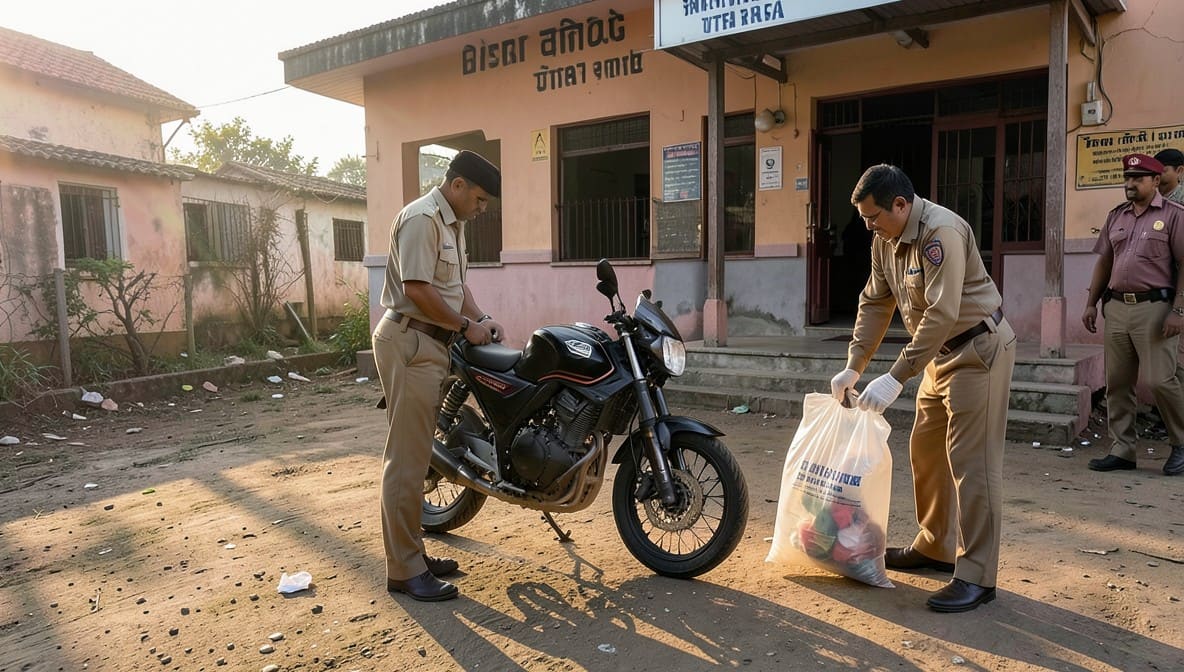
The appellants, Gomeya Barjo and Basant Pradhan, were intercepted by police on 19.06.2007 near Dindayal Sishu Mandir School, Goilkera, while riding a motorcycle (Registration No. BR-18-7960). Upon being chased, they were apprehended, and a plastic bag containing 3 kg of ganja, divided into four blue polythene packets, was recovered from the motorcycle’s carrier. The appellants disclosed that Basant Pradhan had purchased the ganja from Gomeya Barjo for Rs. 3,600 to sell in Chakradharpur Bazar and adjacent areas. No documents authorizing possession were produced. The ganja and motorcycle were seized, and a seizure list was prepared in the presence of independent witnesses Turam Korah and Tungir Kerai. Based on the fardbeyan of A.S.I. Yogendra Shukla, Goilkera Police Station Case No. 20 of 2007 was registered under Sections 20 and 22 of the NDPS Act.
Key Facts
- 19.06.2007: Appellants intercepted at 15:30 hours while fleeing on a motorcycle
- Recovery: 3 kg of ganja in four polythene packets from the motorcycle carrier
- Witnesses: Turam Korah (P.W.1) and Tungir Kerai (P.W.2) present during seizure
- Seizure List: Ext.1 and Ext.1/1 prepared, bearing signatures of appellants and witnesses
- Forensic Report: Ext.6 confirmed the seized substance as ganja, containing Tetrahydrocannabinol (T.H.C.)
- Purchase Disclosure: Basant Pradhan stated he purchased the ganja from Gomeya Barjo for Rs. 3,600
- No Documents: Appellants failed to produce any authorization for possession
Procedural History
- 19.06.2007: FIR registered (Goilkera P.S. Case No. 20/2007) under Sections 20 and 22 NDPS Act
- Investigation: Completed, charge-sheet filed against appellants
- Trial: Conducted before Sessions Judge, West Singhbhum, Chaibasa (G.R. Case No. 02/2007)
- 02.09.2008: Trial Court convicted appellants under Section 20(b) NDPS Act
- 03.09.2008: Sentenced to rigorous imprisonment for 7 years and fine of Rs. 25,000 each
- 2008: Criminal Appeals (S.J. No. 1244/2008 and 1222/2008) filed before Jharkhand High Court
- 12.05.2026: Arguments heard (C.A.V.)
- 10.06.2026: Judgment pronounced
The Parties' Positions
For the Appellants
- Section 50 Violation: Argued that the search and seizure were not conducted in the presence of a Gazetted Officer, violating the mandatory provision of Section 50 NDPS Act
- Seizure List Irregularities: Claimed their signatures were obtained on blank paper, and no copy of the seizure list was provided
- Witness Testimony: Seizure list witnesses (P.W.1 and P.W.2) admitted their signatures but did not support the recovery
- First Offence: Emphasized that this was their first offence, with no criminal background
- Sentence Reduction: Requested reduction of sentence to imprisonment already undergone (1 year and 7 months), citing the passage of nearly two decades since the offence and deposit of the fine amount
For the State
- No Section 50 Applicability: Contended that Section 50 does not apply as the recovery was from the motorcycle carrier, not the personal possession of the appellants
- Seizure List Validity: Argued that the seizure list was valid, with copies provided to appellants and witnesses proving their presence
- Evidence Corroboration: Prosecution witnesses (P.W.4 to P.W.8) consistently supported the recovery
- Deterrent Punishment: Urged that stern punishment is necessary to deter drug trafficking
Relief Sought
The appellants sought:
- Acquittal on grounds of Section 50 violation and procedural irregularities
- Alternatively, reduction of sentence to imprisonment already undergone, citing their age, antecedents, and the reformative theory of punishment
The Legal Issue
The central question before the Court was: Whether the recovery of ganja from the carrier of a motorcycle, as opposed to personal possession, attracts the mandatory compliance of Section 50 of the NDPS Act, and if the appellants' conviction and sentence under Section 20(b) are sustainable in light of the evidence and procedural lapses alleged?
Arguments Presented
For the Appellants
- Section 50 Compliance: Relied on the mandatory nature of Section 50, which requires search and seizure to be conducted in the presence of a Gazetted Officer or Magistrate. Argued that its violation vitiates the conviction
- Seizure List Irregularities: Contended that the seizure list was prepared on blank paper, and no copy was provided, rendering the recovery inadmissible
- Witness Hostility: Highlighted that the seizure list witnesses (P.W.1 and P.W.2) did not support the recovery, weakening the prosecution case
- Reformative Justice: Cited the appellants' clean antecedents, first offence, and the passage of time to argue for sentence reduction
For the State
- Section 50 Inapplicability: Distinguished between personal possession and recovery from a vehicle, arguing that Section 50 applies only to the former
- Evidence Reliability: Emphasized the consistent testimony of police witnesses (P.W.4 to P.W.8) and the forensic report (Ext.6) confirming the substance as ganja
- Deterrence: Advocated for stern punishment to deter drug trafficking, given the quantity recovered (intermediary quantity under Section 20(b))
The Court's Analysis
The Court conducted a detailed examination of the evidence and legal provisions:
-
Section 50 Applicability:
"The provision of Section 50 of the N.D.P.S. Act does not apply in the facts and circumstances of this case because the recovery was from the carrier of the motorcycle and not from personal possession of the accused persons." The Court held that Section 50, which mandates search in the presence of a Gazetted Officer, is not attracted when recovery is made from a vehicle carrier rather than the person of the accused. This distinction is critical, as it limits the scope of Section 50 to cases of personal search.
-
Evidence Appreciation: The Court noted that while the seizure list witnesses (P.W.1 and P.W.2) admitted their signatures, they did not support the recovery. However, the signatures of the appellants on the seizure list (Ext.1 and Ext.2) and the consistent testimony of police witnesses (P.W.4 to P.W.8) corroborated the prosecution case. The forensic report (Ext.6) conclusively established the seized substance as ganja. The Court observed:
"No valid explanation has been offered by appellants as regards recovery of ganja from their motorcycle which was in their conscious possession."
-
Conviction Sustainability: The Court found no error of law in the Trial Court’s appreciation of evidence. The recovery of 3 kg of ganja, an intermediary quantity under Section 20(b), was proven beyond reasonable doubt. The appellants’ failure to produce any authorization for possession further strengthened the prosecution case.
-
Sentencing Considerations: While upholding the conviction, the Court invoked the reformative theory of punishment to reduce the sentence. Key factors included:
- The appellants' first offence and lack of criminal background
- The passage of nearly two decades since the offence
- The appellants having undergone 1 year and 7 months of imprisonment
- Deposit of the fine amount (Rs. 25,000 each)
- Their reintegration into mainstream life without further criminal involvement The Court emphasized that the objective of punishment should balance deterrence with reformation, particularly for first-time offenders.
The Verdict
The Jharkhand High Court upheld the appellants' conviction under Section 20(b) of the NDPS Act but modified their sentence to the imprisonment already undergone (1 year and 7 months). The Court:
- Confirmed the conviction for possession of 3 kg of ganja
- Reduced the sentence of rigorous imprisonment from 7 years to the period already served
- Maintained the fine of Rs. 25,000 each, which had already been deposited
- Discharged the appellants from their bail bonds and sureties
What This Means For Similar Cases
Section 50 NDPS Act: Limited Scope
- Vehicle Carrier vs. Personal Possession: This judgment clarifies that Section 50 applies only to searches of a person’s body or personal belongings, not to recoveries from vehicles or other external carriers. Practitioners should argue this distinction to challenge procedural lapses in cases where recovery is made from vehicles, luggage, or other non-personal spaces
- Gazetted Officer Requirement: The mandatory presence of a Gazetted Officer or Magistrate during search is not triggered for vehicle recoveries, reducing the procedural burden on the prosecution in such cases
Evidence Admissibility: Witness Hostility
- Signature vs. Testimony: The Court relied on the appellants' signatures on the seizure list, even though the witnesses did not support the recovery. This underscores that documentary evidence (e.g., seizure lists, forensic reports) can outweigh oral testimony, especially when witnesses turn hostile
- Police Witnesses: The consistent testimony of police witnesses (P.W.4 to P.W.8) was given significant weight, reinforcing the value of corroborative evidence in NDPS cases
Sentencing: Reformative Approach
- First-Time Offenders: Courts may consider reducing sentences for first-time offenders, particularly when:
- The accused has no criminal background
- A significant period has elapsed since the offence
- The accused has undergone substantial imprisonment
- The fine has been deposited
- Deterrence vs. Reformation: While deterrence remains a key objective in NDPS cases, this judgment signals a judicial inclination toward reformative justice, especially for intermediary quantities and first-time offenders
- Quantum of Punishment: Practitioners should highlight mitigating factors such as age, antecedents, and post-offence conduct to seek sentence reductions in similar cases