The Madurai Bench of the Madras High Court has affirmed the state’s duty to investigate suspicious deaths with due diligence, ordering the exhumation of a deceased’s body under Section 196 of the Bharatiya Nagarik Suraksha Sanhita, 2023. This ruling underscores the judiciary’s role in ensuring procedural integrity when public trust in death investigations is at stake.
Background & Facts
The Dispute
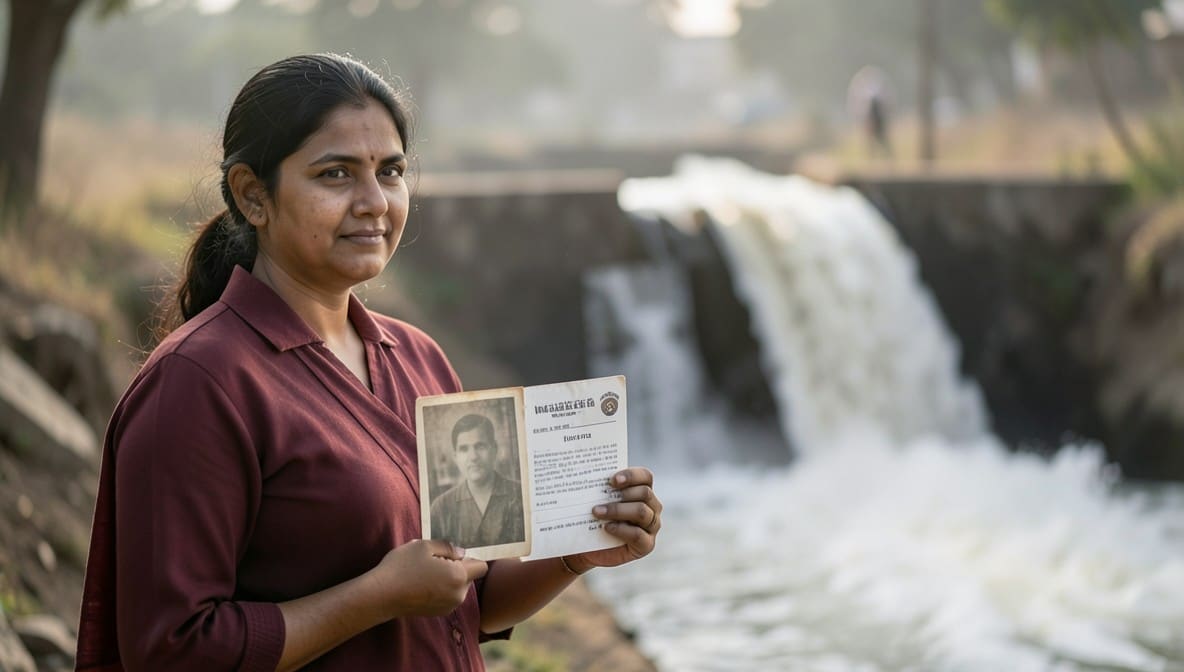
The petitioner, Maria Viagammal Ruby, filed a writ petition under Article 226 of the Constitution seeking a direction to the respondents to exhume the body of her deceased mother, whose death was reported as natural but suspected to be suspicious. The petitioner contended that the initial investigation into Crime No. 125 of 2026 was inadequate and that exhumation was necessary to determine the true cause of death.
Key Facts
- The petitioner’s mother died on an unspecified date in early 2026 and was buried in Cheramahadevi Taluk, Tirunelveli District
- A First Information Report (FIR) was registered as Crime No. 125 of 2026 at Mukkudal Police Station
- The petitioner raised concerns about inconsistencies in the initial post-mortem report and lack of forensic scrutiny
- No exhumation order had been issued despite the petitioner’s repeated requests to the police and tahsildar
- The petitioner filed the writ petition on or before 26.03.2026, asserting that the investigation had stalled
Procedural History
- Date of death: Unspecified, but burial occurred prior to 26.03.2026
- Crime No. 125 of 2026: Registered at Mukkudal Police Station, Tirunelveli District
- 26.03.2026: Writ Petition W.P.Crl.(MD) No. 1686 of 2026 filed before the Madurai Bench of the Madras High Court
- 26.03.2026: During hearing, the Government Advocate for the second respondent confirmed that exhumation had been scheduled for 27.03.2026
- 26.03.2026: The Court suo motu impleaded the Dean, Tirunelveli Medical College Hospital, as the fourth respondent
The Parties' Positions
For the Petitioner
The petitioner argued that the suspicious circumstances surrounding the death - lack of conclusive medical evidence, absence of toxicology reports, and delayed response - necessitated exhumation under Section 196 of BNSS, 2023. She emphasized the state’s obligation under Article 21 to ensure a fair and thorough investigation.
For the Respondents
The second respondent (Tahsildar) and third respondent (State of Tamil Nadu) conceded that the investigation was ongoing and that exhumation had been scheduled. They did not oppose the prayer but sought to demonstrate procedural compliance.
Relief Sought
The petitioner sought a writ of mandamus directing the respondents to:
- Exhume the body of her mother under the supervision of an Executive Magistrate
- Conduct a fresh post-mortem examination in accordance with Section 196 of BNSS, 2023
- Complete the process within a time frame set by the Court
The Legal Issue
The central question was whether the High Court can issue a writ of mandamus under Article 226 to compel exhumation of a buried body under Section 196 of the Bharatiya Nagarik Suraksha Sanhita, 2023, where the death is suspected to be unnatural and the investigation has not been adequately pursued.
Arguments Presented
For the Petitioner
The petitioner relied on the principle that Section 196 of BNSS, 2023 empowers an Executive Magistrate to order exhumation when there is reasonable suspicion of foul play. She cited State of Tamil Nadu v. K. Sivakumar (2021) to argue that the right to life under Article 21 includes the right to a credible investigation. She emphasized that delay or inaction by investigative agencies cannot be permitted to defeat justice.
For the Respondent
The respondents, through the Government Advocate, did not contest the necessity of exhumation. They submitted that the Tahsildar’s office had already fixed the date of exhumation as 27.03.2026 and that the procedural requirements under Section 196 were being followed. They sought to demonstrate that the petition had become infructuous due to administrative action.
The Court's Analysis
The Court acknowledged that the petitioner’s concerns were not merely procedural but rooted in the fundamental right to life and dignity under Article 21. It noted that Section 196 of BNSS, 2023 explicitly provides for exhumation when the cause of death is uncertain or suspected to be unnatural, and that such orders must be executed with due solemnity and under the supervision of an Executive Magistrate.
"The State has a constitutional obligation to ensure that no death, especially one shrouded in suspicion, goes unexamined. The delay in exhumation, even if unintentional, undermines public confidence in the criminal justice system."
The Court observed that while the respondents had taken steps to schedule the exhumation, the absence of a clear directive for a competent medical officer to conduct the post-mortem created a procedural gap. The Court held that the responsibility for conducting a scientifically sound post-mortem on an exhumed body lies with the medical institution entrusted with the task.
The Court further noted that the suo motu impleading of the Dean of Tirunelveli Medical College Hospital was necessary to ensure accountability in the medical examination process. The Court emphasized that the exhumation must be conducted in strict compliance with the procedure laid down in Section 196, including the presence of an Executive Magistrate and proper documentation.
The Verdict
The writ petition was disposed of with the following directions:
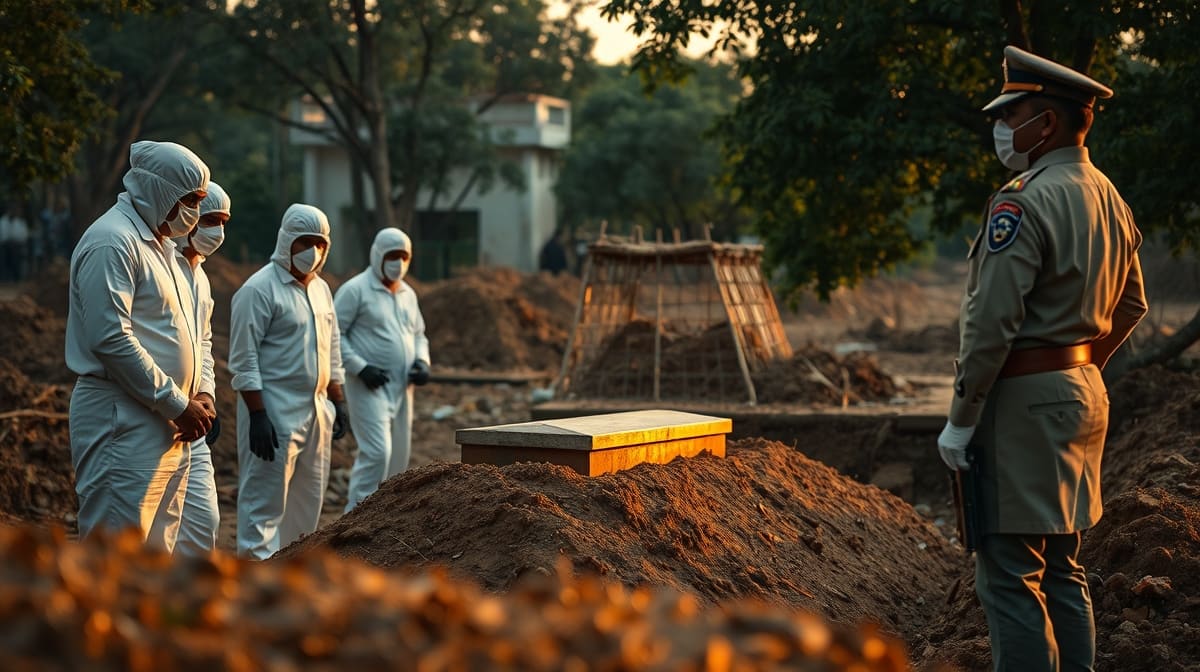
- The exhumation of the petitioner’s mother’s body shall proceed on 27.03.2026 under the supervision of the Executive Magistrate, Cheramahadevi Taluk
- The Dean, Tirunelveli Medical College Hospital, shall appoint a competent Medical Officer to conduct the post-mortem examination on the exhumed body
- The post-mortem report must be submitted to the investigating officer within seven days of exhumation
- The investigation in Crime No. 125 of 2026 shall be concluded expeditiously, with all findings communicated to the petitioner
What This Means For Similar Cases
Exhumation Is a Right, Not a Discretionary Favor
- Practitioners must now treat requests for exhumation under Section 196 BNSS as enforceable rights under Article 21, not mere procedural requests
- Courts will intervene where there is credible suspicion of unnatural death and investigative delay
- Failure to schedule exhumation within a reasonable time may attract writ jurisdiction under Article 226
Medical Accountability Is Non-Negotiable
-
The responsibility for post-mortem on exhumed bodies cannot be delegated to unqualified personnel
-
Medical officers appointed for such examinations must be formally designated by the hospital administration
-
Delay in submitting post-mortem reports may be challenged as obstruction of justice
-
Always file a writ petition if exhumation is delayed beyond 15 days after suspicion is raised
-
Ensure the petition explicitly invokes Section 196 BNSS and Article 21
-
Demand appointment of a specific medical officer in the prayer clause to avoid ambiguity