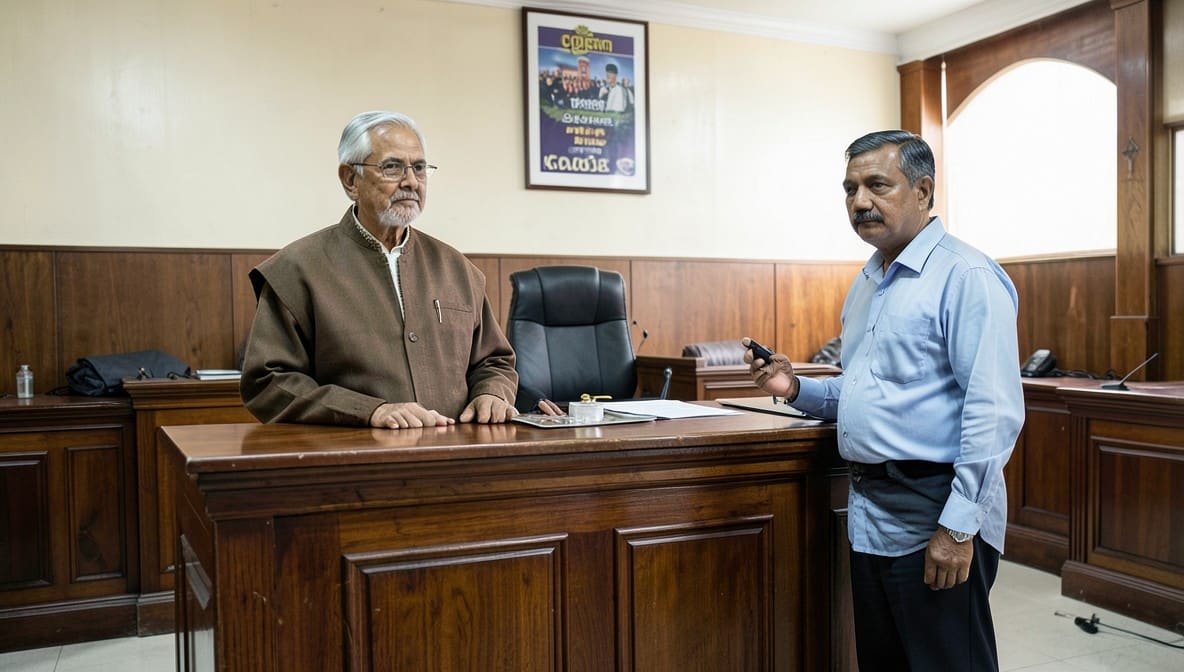
The Karnataka High Court has reiterated that writ petitions under Article 226 cannot be used to circumvent statutory remedies available under the Securitisation and Reconstruction of Financial Assets and Enforcement of Security Interest Act, 2002 (SARFAESI Act). In dismissing a petition challenging possession and e-auction notices, the Court emphasized that aggrieved parties must first approach the Debt Recovery Tribunal (DRT) under Section 17 of the SARFAESI Act, as established by the Supreme Court in United Bank of India v. Satyawati Tondon.
Background & Facts
The Dispute
The petitioner, Mr. N. Mohan Kumar, a resident of Bengaluru, had availed a loan from Nido Home Finance Limited (formerly Edelweiss Housing Ltd.), secured by a mortgage on his property. Following default, the respondent issued a possession notice under Rule 8(1) of the SARFAESI Act on 20.05.2026, followed by an e-auction sale notice on 05.06.2026. The petitioner challenged these notices under Articles 226 and 227 of the Constitution, seeking their quashing.
Key Facts
- The petitioner had executed a loan agreement with the respondent, secured by a mortgage on his property
- The respondent issued a possession notice under Rule 8(1) of the SARFAESI Act on 20.05.2026
- An e-auction sale notice was issued on 05.06.2026 (Annexures-H and H1)
- The petitioner filed a writ petition challenging these notices, seeking quashing and other reliefs
Procedural History
- 20.05.2026: Possession notice issued under Rule 8(1) of the SARFAESI Act
- 05.06.2026: E-auction sale notice issued
- 22.06.2026: Writ Petition (WP No. 18364 of 2026) filed before the Karnataka High Court
Relief Sought
The petitioner sought:
- Quashing of the possession notice dated 20.05.2026 and e-auction sale notice dated 05.06.2026
- Such other reliefs as the Court deems fit, including costs
The Legal Issue
The central question was whether a writ petition under Article 226 is maintainable to challenge possession and e-auction notices issued under the SARFAESI Act, when statutory remedies under Section 17 are available before the Debt Recovery Tribunal (DRT).
Arguments Presented
For the Petitioner
The petitioner, represented by Sri. Manjunath M.R., Advocate, contended that the possession and e-auction notices were issued arbitrarily and sought their quashing under Article 226. The petitioner argued that the notices were procedurally flawed and violated principles of natural justice.
For the Respondent
Though the respondent was not represented during the hearing, the Court noted that the SARFAESI Act provides a specific statutory remedy under Section 17 for aggrieved parties to challenge such notices before the DRT. The Court relied on settled precedents, including United Bank of India v. Satyawati Tondon, to hold that writ jurisdiction cannot be invoked when alternative remedies are available.
The Court's Analysis
The Court observed that the SARFAESI Act is a special statute that creates rights and liabilities while prescribing a specific remedy for their enforcement. Section 17 of the SARFAESI Act empowers aggrieved parties to approach the DRT to challenge actions taken by secured creditors, including possession and sale notices. The Court emphasized that Article 226 is not intended to bypass statutory procedures when an efficacious remedy is available under the statute itself.
"When a right or liability is created by a statute which itself prescribes the remedy or procedure for enforcing the right or liability, resort must be had to that particular statutory remedy before seeking the discretionary remedy under Article 226."
The Court further relied on the Supreme Court's decision in United Bank of India v. Satyawati Tondon, which cautioned High Courts against entertaining writ petitions under Article 226 in matters where statutory remedies under the DRT and SARFAESI Act are available. The Supreme Court had observed that such writ petitions adversely impact the rights of banks and financial institutions to recover their dues and urged High Courts to exercise great caution, care, and circumspection in such matters.
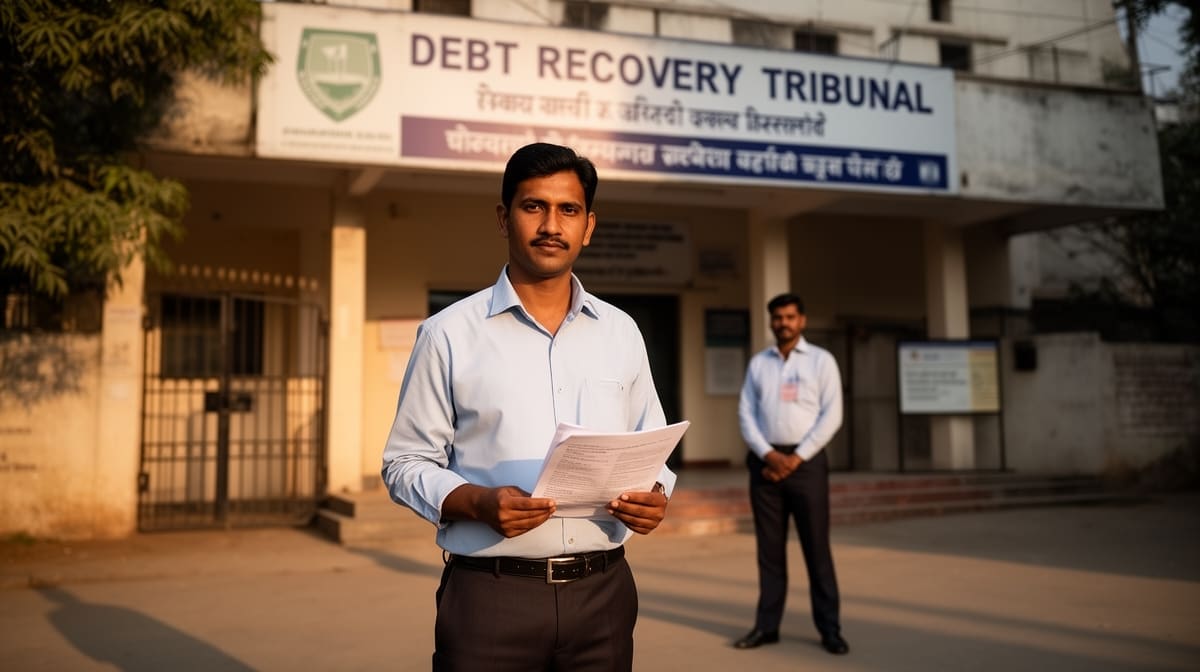
The Court held that the petitioner was not remediless, as the DRT had been established specifically to adjudicate disputes under the SARFAESI Act. The petitioner could have filed an appeal under Section 17 challenging the notices, and the DRT would have been the appropriate forum to address the grievances. Since the petitioner failed to exhaust the statutory remedy, the writ petition was devoid of merits and liable to be dismissed.
The Verdict
The Court dismissed the writ petition (WP No. 18364 of 2026). The interim order, if any, was discharged, and pending interlocutory applications, if any, were disposed of. The Court did not grant any costs or other reliefs sought by the petitioner.
What This Means For Similar Cases
Exhaust Statutory Remedies Before Invoking Article 226
- Practitioners must advise clients to first approach the DRT under Section 17 of the SARFAESI Act before filing writ petitions under Article 226
- The DRT is the appropriate forum for challenging possession notices, e-auction notices, and other actions under the SARFAESI Act
- Filing writ petitions without exhausting statutory remedies may lead to outright dismissal, as seen in this case
High Courts Will Exercise Caution in SARFAESI Matters
- High Courts are reluctant to entertain writ petitions under Article 226 when statutory remedies are available
- The Supreme Court's decision in United Bank of India v. Satyawati Tondon serves as a binding precedent, urging High Courts to avoid interfering in matters where the DRT can provide relief
- Practitioners should avoid forum shopping and ensure compliance with statutory procedures
Implications for Secured Creditors
- Banks and financial institutions can proceed with confidence under the SARFAESI Act, knowing that writ petitions challenging notices are unlikely to succeed
- The DRT remains the primary adjudicatory body for disputes under the SARFAESI Act, ensuring a structured and efficient resolution process
- Secured creditors should ensure strict compliance with procedural timelines to avoid challenges before the DRT