The Himachal Pradesh High Court has delivered a significant interpretation of Section 118(2) of the H.P. Tenancy and Land Reforms Act, 1972, holding that the phrase 'shall put the land to such use' does not mandate complete operationalization of a project within the stipulated period. Instead, the court ruled that the beneficiary must demonstrate meaningful steps toward utilizing the land for the permitted purpose, failing which the land may vest in the State government. This judgment clarifies the legislative intent behind the provision and sets a precedent for similar cases involving industrial or commercial land use permissions.
Background & Facts
The Dispute
The respondent, M/s Hindustan Tin Works Limited, was granted permission by the State of Himachal Pradesh on an unspecified date to purchase 06-11 bighas of land situated at Mauja Katha, Tehsil Nalagarh (now Baddi), District Solan, Himachal Pradesh. The permission was granted for the purpose of setting up an industrial unit, with a stipulation that the land must be put to use within two years. The respondent failed to establish the industrial unit within the initial period and sought an extension from the State government.
Key Facts
- Permission Grant: The respondent was permitted to purchase the land for setting up an industrial unit.
- Initial Period: The land was to be put to use within two years from the date of the sale deed registration.
- First Extension: The State government granted a one-year extension on 08.06.2009.
- Failure to Comply: The respondent did not establish the industrial unit even within the extended period.
- Proceedings Initiated: The State government initiated proceedings under Section 118 of the H.P. Tenancy and Land Reforms Act, 1972 on 22.09.2011 for vestment of the land in the State.
- Respondent’s Stand: The respondent claimed that the land had been put to use as per law, citing:
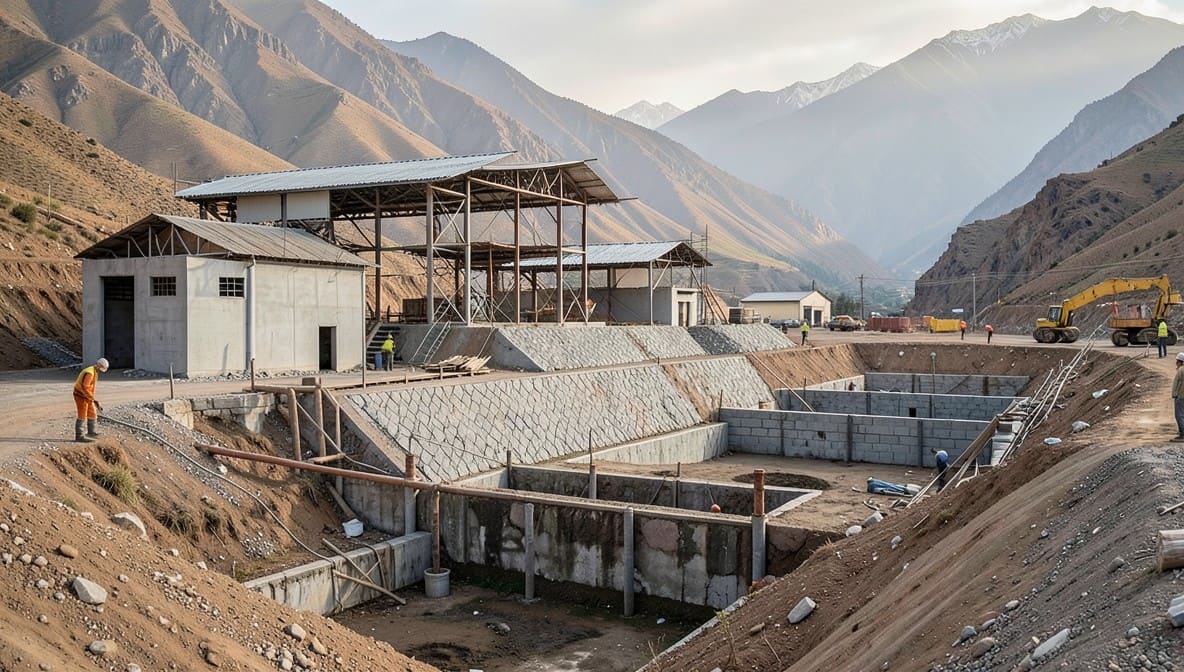
- Commencement of development and leveling work
- Construction of a retaining wall
- Digging of a bore-well
- Construction of an industrial shed
Procedural History
- 30.04.2016: The Collector, District Solan, ordered vestment of the land in the State government, concluding that the respondent had failed to put the land to use.
- 18.03.2019: The Divisional Commissioner set aside the Collector’s order, holding that the vestment could not be automatic and required proof of conscious default or negligence.
- 01.12.2021: The Financial Commissioner (Appeals) disposed of the revision petition by remanding the matter to the Collector for a fresh decision in accordance with the law.
- 2022: The State government filed the present writ petition (CWP No. 7979 of 2022) challenging the orders dated 18.03.2019 and 01.12.2021.
Relief Sought
The petitioner (State of Himachal Pradesh) sought quashing of the orders dated 18.03.2019 and 01.12.2021, arguing that the respondent’s failure to put the land to use within the stipulated period warranted automatic vestment of the land in the State.
The Legal Issue
The central question before the court was whether the phrase 'shall put the land to such use' under the second proviso to Section 118(2)(h) of the H.P. Tenancy and Land Reforms Act, 1972 requires the beneficiary to fully operationalize the project within the stipulated period, or whether demonstrable steps toward project establishment suffice to avoid vestment of the land in the State.
Arguments Presented
For the Petitioner
The learned Additional Advocate General relied on the second proviso to Section 118(2) to argue that the respondent was obligated to put the land to use within two years (extendable by one year) from the date of the sale deed registration. Failure to do so, or diversion of the land for any other purpose without the State’s permission, would result in automatic vestment of the land in the State government free from all encumbrances. The petitioner contended that the respondent’s failure to establish the industrial unit within the stipulated period justified the vestment order.
For the Respondent
The learned counsel for the respondent defended the impugned orders, arguing that the respondent had taken substantial steps toward establishing the industrial unit. These steps included:
- Obtaining Electricity and Water Connection No Objection Certificate on 26.11.2014
- Receiving Single Window Clearance on 16.12.2014
- Obtaining a Provisional Certificate from the H.P. State Pollution Control Board on 03.02.2015
- Receiving Consent to Establish from the H.P. Pollution Control Board on 10.03.2015
- Obtaining Consent to Operate on 25.04.2015 and its renewal on 29.09.2016 and 15.11.2021
- Receiving No Objection Certificate from the Fire Department on 06.05.2015 and its renewal on 11.12.2017 and 26.08.2022
- Obtaining a Power Release Certificate on 18.05.2015
- Applying for GST enrollment on 30.03.2017
- Receiving Land Utilization Certification on 19.01.2019
The respondent further argued that the vestment of land could not be automatic and that the failure to put the land to use must be due to conscious default, negligence, or refusal on the part of the beneficiary. The respondent contended that the delay was caused by statutory hindrances, bureaucratic delays, and procedural formalities beyond its control.
The Court's Analysis
The High Court undertook a detailed analysis of Section 118(2) of the H.P. Tenancy and Land Reforms Act, 1972, particularly the second proviso, which mandates that a non-agriculturist who purchases land with the State’s permission must put the land to such use for which the permission was granted within two years (extendable by one year). Failure to do so, or diversion of the land for any other purpose, results in vestment of the land in the State government free from all encumbrances.
The court relied on the precedent set in Ravinder Chauhan and others v. State of H.P. (AIR 1999 HP 43), wherein it was held that vestment of land cannot be automatic. The failure to put the land to use must be attributable to conscious default, negligence, or refusal on the part of the beneficiary. If the non-compliance is due to circumstances beyond the beneficiary’s control, such as statutory hindrances or bureaucratic delays, the land cannot vest in the State.
"In our view when the statute contemplated the failure on the part of the person, who has been granted with permission to purchase, as a condition precedent for bringing into the force of the operation of the vesting clause, the failure should be on account of the conscious default, negligence or refusal on the part of the person concerned and where the non compliance was for reasons beyond his control or due to the fact that it was incapable or impossible of performance due to the operation of other provisions of law in force and that the authorities, who accorded the permission with such conditions, which are not capable of being complied with and performed and were equally at fault, it is not permissible for the respondents or for that matter anybody from public including the petitioners to insist or assert that despite the obvious and for no fault of the 6th respondent, he should be condemned as having failed to comply with the conditions, that which otherwise he could have complied with, and thereby take over his property by enforcing the vesting clause engrafted in the second proviso."
The court observed that the legislative intent behind the second proviso was not to mandate complete operationalization of the project within the stipulated period, but rather to ensure that the beneficiary takes meaningful steps toward putting the land to use. The phrase 'shall put the land to such use' was interpreted to mean moving in the direction of utilizing the land so as to demonstrate readiness and willingness to establish the project, rather than completing the project within the prescribed period.
The court noted that the District Collector’s order dated 30.04.2016 failed to consider the statutory hindrances faced by the respondent, including the time-consuming procedural formalities required for establishing an industrial unit. The Divisional Commissioner and Financial Commissioner rightly set aside the vestment order, holding that the respondent had taken substantial steps toward establishing the industrial unit and that the vestment could not be automatic.
The court also took judicial notice of the fact that various permissions and approvals are required from multiple departments before actual construction can commence. These include:
- Preparation of building plans
- No Objection Certificates from concerned departments
- Essentiality Certificates
- Sanction of building plans from competent authorities
The court held that strict interpretation of the phrase 'shall put the land to such use' would lead to unjust outcomes, as the majority of projects would fail to meet the prescribed timeline due to bureaucratic delays and statutory impediments. Instead, the court adopted a purposive interpretation, holding that the beneficiary must demonstrate cogent and meaningful steps toward putting the land to use for the permitted purpose.
The Verdict
The High Court dismissed the writ petition, upholding the orders dated 18.03.2019 and 01.12.2021 passed by the Divisional Commissioner and Financial Commissioner (Appeals), respectively. The court held that:
- The respondent had taken substantial steps toward establishing the industrial unit, as evidenced by the multiple approvals and certificates obtained from various departments.
- The vestment of land under Section 118(2) could not be automatic and required proof of conscious default, negligence, or refusal on the part of the beneficiary.
- The District Collector’s order dated 30.04.2016 was mechanical and erroneous, as it failed to consider the statutory hindrances faced by the respondent.
- The Divisional Commissioner and Financial Commissioner rightly remanded the matter to the Collector for a fresh decision in accordance with the law and the State government’s instructions dated 15.02.2016.
What This Means For Similar Cases
Vestment of Land Is Not Automatic
This judgment reinforces the principle that vestment of land under Section 118(2) of the H.P. Tenancy and Land Reforms Act, 1972, is not automatic. The State government cannot order vestment merely because the beneficiary failed to fully operationalize the project within the stipulated period. Instead, the State must establish that the failure was due to:
- Conscious default on the part of the beneficiary
- Negligence in taking steps toward project establishment
- Refusal to comply with the conditions of the permission
If the beneficiary can demonstrate that the delay was caused by statutory hindrances, bureaucratic delays, or circumstances beyond its control, the land cannot vest in the State.
Substantial Steps Suffice to Satisfy 'Put to Use' Requirement
The court clarified that the phrase 'shall put the land to such use' does not require complete operationalization of the project within the stipulated period. Instead, the beneficiary must take meaningful and cogent steps toward establishing the project, such as:
- Obtaining necessary approvals and No Objection Certificates from concerned departments
- Commencing development and leveling work on the land
- Constructing retaining walls, bore-wells, or industrial sheds
- Applying for GST enrollment or other regulatory compliances
These steps demonstrate the beneficiary’s readiness and willingness to put the land to use for the permitted purpose, thereby satisfying the requirement under Section 118(2).
Procedural Formalities and Bureaucratic Delays Are Valid Considerations
The judgment recognizes that establishing an industrial or commercial project involves time-consuming procedural formalities, including:
- Preparation and sanction of building plans
- Obtaining Essentiality Certificates and No Objection Certificates from multiple departments
- Compliance with environmental and pollution control regulations
- Securing power, water, and fire safety approvals
The court held that bureaucratic delays and statutory impediments beyond the beneficiary’s control cannot be grounds for vestment of land. Practitioners must ensure that all approvals and compliances are diligently pursued and documented to avoid adverse orders.
Remand for Fresh Consideration Is a Viable Remedy
Where the lower authorities fail to consider statutory hindrances or procedural delays, the higher authorities (such as the Divisional Commissioner or Financial Commissioner) may remand the matter for fresh consideration. This provides an opportunity for the beneficiary to present evidence of substantial steps taken and to argue against automatic vestment. Practitioners should leverage this remedy to challenge mechanical orders passed without due appreciation of facts.
Judicial Precedent Guides Interpretation
The judgment relies on the precedent set in Ravinder Chauhan and others v. State of H.P. and M/s Springdale Resorts and Villas Pvt. Ltd. v. State of Himachal Pradesh & Others to interpret Section 118(2). These precedents establish that:
- The legislative intent behind the provision is to ensure progress toward project establishment, not complete operationalization.
- The words 'put to use' must be interpreted purposively, not strictly.
- Automatic vestment is impermissible without proof of fault on the beneficiary’s part.
Practitioners should cite these precedents to argue against strict or mechanical interpretations of similar provisions in land use laws.