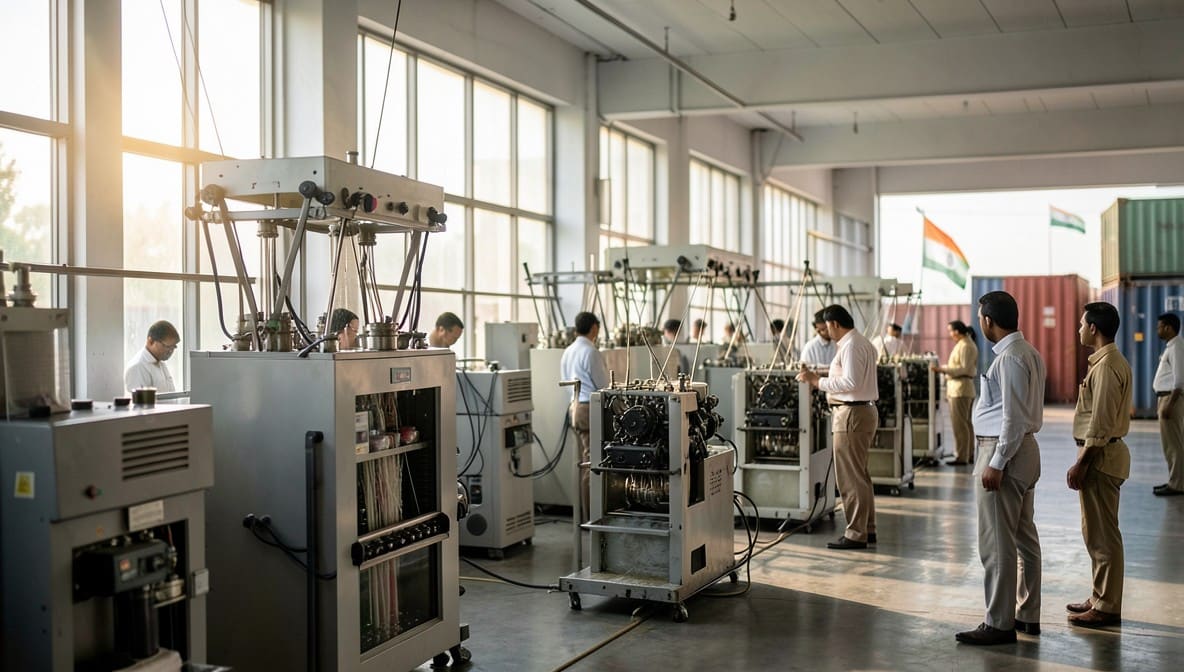
The Customs, Excise & Service Tax Appellate Tribunal has clarified that importing Technical Grade Urea through State Trading Enterprises on a high sea sales basis does not constitute a contravention of the Foreign Trade Policy, thereby invalidating confiscation and penalty orders under the Customs Act, 1962. This ruling reinforces the distinction between import 'by' and import 'through' authorized entities, offering critical guidance to traders engaged in canalized imports.
Background & Facts
The Dispute
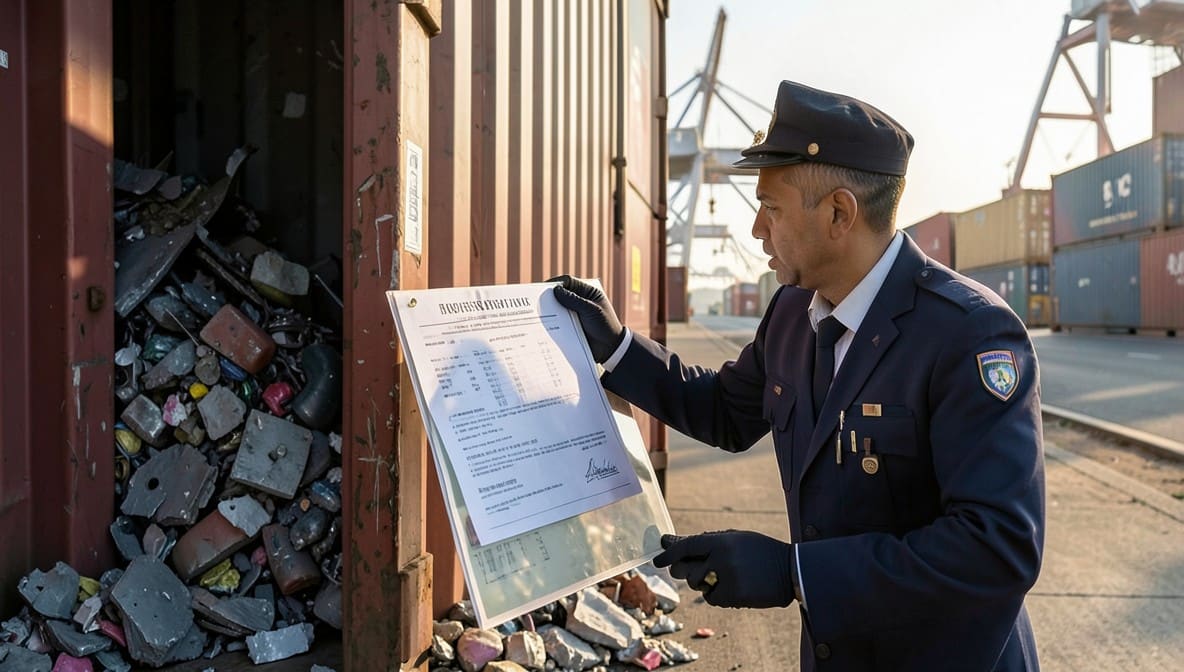
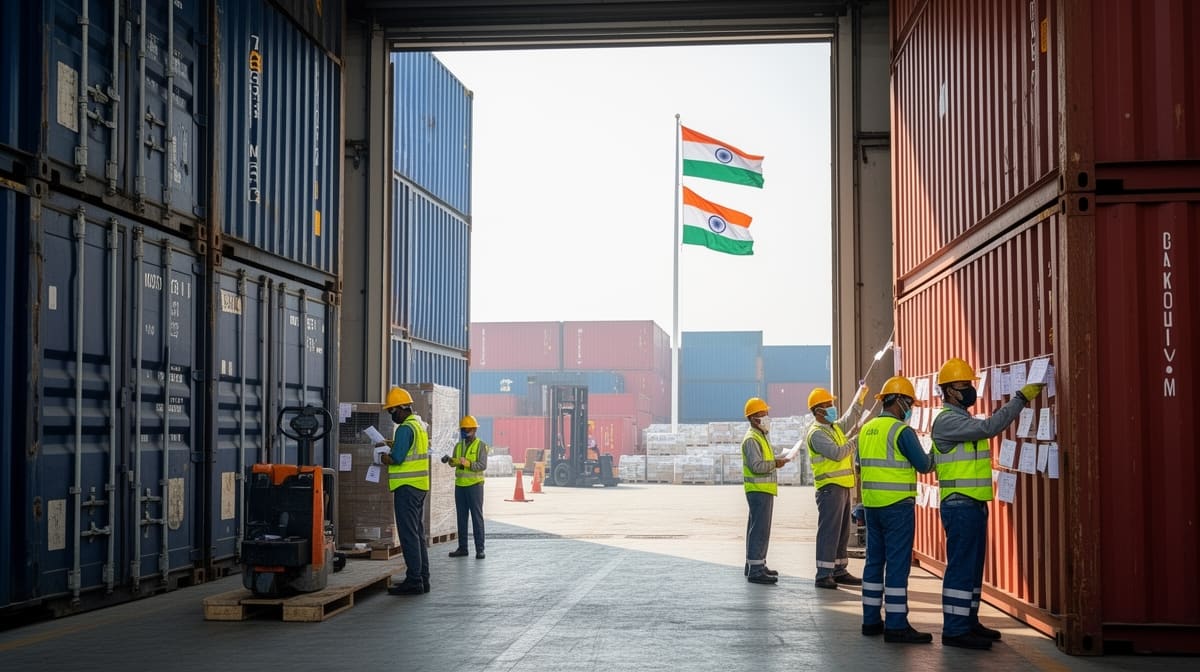
The appellant, M/s. Deep Traders, Anand, Gujarat, imported Technical Grade Urea (TGU) under CTH 31021000 of the Customs Tariff Act, 1975, from State Trading Enterprises (STE) such as MMTC, between April 2012 and 27.04.2015, using the high sea sales mechanism. The Department of Customs alleged that the appellant violated the Foreign Trade Policy by importing urea without a valid import license from the Director General of Foreign Trade (DGFT), as the policy at the time restricted urea imports to STEs only.
Key Facts
- The appellant obtained permission from the Department of Fertilizers, Ministry of Chemicals and Fertilizers, vide letter No. 6-4/2013-FM (Volume-II) dated 16.05.2013, to import 1500 MT of TGU for industrial use.
- The permission letter permitted import "through" any State Trading Enterprise, without restricting the mode of purchase to domestic transactions.
- The appellant entered into an agreement dated 05.06.2013 with MMTC Limited, which imported TGU from abroad and sold it to the appellant on high sea sales basis.
- The appellant filed Bills of Entry and paid applicable customs duties upon clearance of goods in India.
- The Department issued two Show Cause Notices (SCNs) dated 05.07.2018 and 15.10.2019 proposing confiscation of goods valued at Rs. 27,13,158/- and Rs. 26,38,239/- respectively under Section 111(d) of the Customs Act, 1962, and penalty under Section 112(a)(i).
- The Additional Commissioner of Customs, by orders dated 29.07.2019 and 29.05.2020, upheld confiscation but waived redemption fines since goods were no longer available, and imposed penalties of Rs. 2,25,000/- and Rs. 1,31,912/- respectively.
- The Commissioner (Appeals) upheld these orders by orders dated 31.07.2020 and 09.09.2021.
Procedural History
- 16.05.2013: Permission granted by Ministry of Chemicals and Fertilizers to import 1500 MT TGU through STEs.
- April 2012 to 27.04.2015: Import of TGU via high sea sales from MMTC.
- 05.07.2018: First SCN issued proposing confiscation and penalty.
- 15.10.2019: Second SCN issued.
- 29.07.2019: Additional Commissioner’s order in first case.
- 29.05.2020: Additional Commissioner’s order in second case.
- 31.07.2020: Commissioner (Appeals) order dismissing first appeal.
- 09.09.2021: Commissioner (Appeals) order dismissing second appeal.
- 2020-2021: Appeals filed before CESTAT, Ahmedabad.
- 11.12.2025: Hearing before Tribunal.
- 07.04.2026: Final Order passed.
The Parties' Positions
Appellant (Deep Traders): Argued that the term "through" in ITC(HS) Heading 31021000 permits import via STEs, not exclusively by them. High sea sales are a recognized trade practice. The permission letter explicitly allowed import "through" STEs, and no condition prohibited high sea purchases. No revenue loss occurred as duties were paid. Relied on multiple precedents including Marico Industries Ltd., Sunita Commercials Pvt. Ltd., and Brightglow Ventures.
Respondent (Commissioner of Customs): Contended that import of urea was restricted to STEs only, and the appellant, as a trader, was not authorized to import directly. Purchase on high sea sales by non-STE entities was a violation of policy. The appellant became the importer upon filing Bill of Entry, thereby breaching the canalized import regime.
Relief Sought
The appellant sought: (1) Setting aside of confiscation orders under Section 111(d); (2) Quashing of penalty orders under Section 112(a)(i); (3) Restoration of goods or refund of duties paid; and (4) Costs.
The Legal Issue
The central question was whether importing Technical Grade Urea on high sea sales basis from a State Trading Enterprise, with payment of customs duties and in compliance with a Ministry permission letter permitting import "through" STEs, constitutes a contravention of the Foreign Trade Policy sufficient to attract confiscation under Section 111(d) and penalty under Section 112(a)(i) of the Customs Act, 1962.
Arguments Presented
For the Appellant
The appellant relied on the precise wording of ITC(HS) Heading 31021000, which permits import "through" STC, MMTC, and Indian Potash - not "by" them. The term "through" implies facilitation, not exclusive ownership. The permission letter dated 16.05.2013 explicitly authorized import "through" STEs, and condition (xiv) only required reporting on end-use, not restriction on purchase mode. The appellant cited Marico Industries Ltd. (2007), Sunita Commercials Pvt. Ltd. (2023), and Brightglow Ventures (2023), where CESTAT held that high sea sales via STEs are lawful. The absence of revenue loss and adherence to customs clearance procedures negated any intent to evade law. The Department’s interpretation would render the permission letter meaningless.
For the Respondent
The Respondent argued that the Foreign Trade Policy strictly limited urea imports to STEs, and any transaction by non-STE entities, even if facilitated by STEs, was prohibited. The appellant, by filing the Bill of Entry, became the importer and thus violated the canalized import regime. The Department relied on Crozsell (2025), asserting that high sea sales by non-STE importers were impermissible. It contended that the permission letter’s reference to "through" did not override the policy’s prohibition on non-STE importers.
The Court's Analysis
The Tribunal undertook a detailed textual and contextual analysis of the ITC(HS) Heading 31021000 and the Ministry’s permission letter. It emphasized that the use of the word "through" in the policy is deliberate and distinct from "by." The Tribunal held that "through" means import facilitated by STEs, not exclusively conducted by them. The appellant’s transaction - where MMTC imported urea from abroad and sold it on high sea sales to the appellant - fully complied with this structure.
"Clearly, the word used in the said Heading 3102 1000 is 'through' and not 'by' STC, MMTC and Indian Potash. In view of above, when the import is allowed 'through' STC, MMTC and Indian Potash, it means that so long as the purchase of the Urea from the foreign supplier is effected by STC, MMTC or Indian Potash and payment to foreign supplier is made by STC, MMTC or Indian Potash, who in turn sell the same to a party in India whether on High Seas or otherwise, the import is clearly through STC, MMTC or Indian Potash."
The Tribunal further noted that the Department’s interpretation of Condition (xiv) of the permission letter - which required reporting on end-use - as a prohibition on high sea sales was a misreading. The condition had no bearing on the mode of purchase from STEs. The Tribunal also affirmed that high sea sales have been a long-standing, accepted practice in canalized imports, as recognized in Gujarat State Export Corporation Ltd. and Marico Industries Ltd..
The Tribunal distinguished Crozsell (2025) on grounds of factual dissimilarity and reaffirmed that where import is in accordance with policy language and consistent past practice, confiscation under Section 111(d) is not warranted. The absence of revenue loss and full compliance with customs procedures further negated any basis for penalty under Section 112(a)(i).
The Verdict
The appeals are allowed. The impugned orders dated 31.07.2020 and 09.09.2021 of the Commissioner (Appeals) are set aside. The confiscation orders under Section 111(d) and penalty orders under Section 112(a)(i) are quashed. The appellant is entitled to the return of goods or, if already cleared, to the refund of any duties paid under protest. No costs are awarded. The Department is directed to close the proceedings and release any remaining security deposits within 4 weeks.
What This Means For Similar Cases
Import 'Through' STEs Is Lawful on High Sea Sales
- Practitioners may now confidently argue that import "through" a State Trading Enterprise under canalized policies permits high sea sales, provided the STE is the original importer from abroad.
- The distinction between "by" and "through" is now a binding legal principle in customs jurisprudence.
Policy Permissions Trump Technical Violations
- Where a Ministry issues a specific permission letter permitting import "through" STEs, such permission overrides general policy restrictions unless explicitly contradicted.
- Conditions in permission letters relating to end-use reporting cannot be stretched to prohibit purchase mechanisms.
Revenue Loss Is Not a Prerequisite for Confiscation - But Absence of It Is Fatal to Prosecution
-
Section 111(d) requires a contravention of prohibition; mere procedural irregularity without intent or revenue loss does not justify confiscation.
-
In cases involving canalized goods, authorities must prove actual breach of prohibition, not just deviation from administrative norms.
-
Practitioners should challenge confiscation orders where duties are paid and import follows a recognized trade practice.
-
Always cite Marico Industries Ltd., Sunita Commercials, and Brightglow Ventures as controlling precedents in urea and similar canalized imports.
-
File applications for refund of duties paid under protest where confiscation orders are set aside.
No Penalty Without Prohibited Act
- Section 112(a)(i) requires an act that renders goods liable for confiscation under Section 111(d). If confiscation is invalid, penalty cannot stand.
- Show Cause Notices must clearly allege a specific prohibition violated - generic allegations of "policy breach" are insufficient.