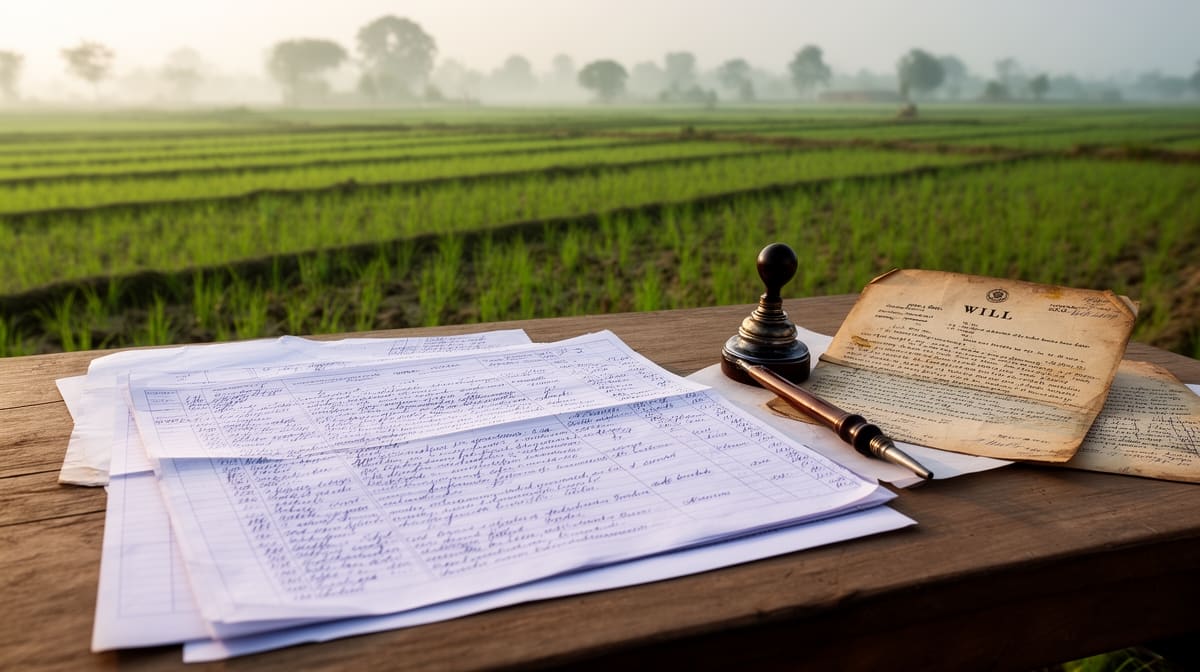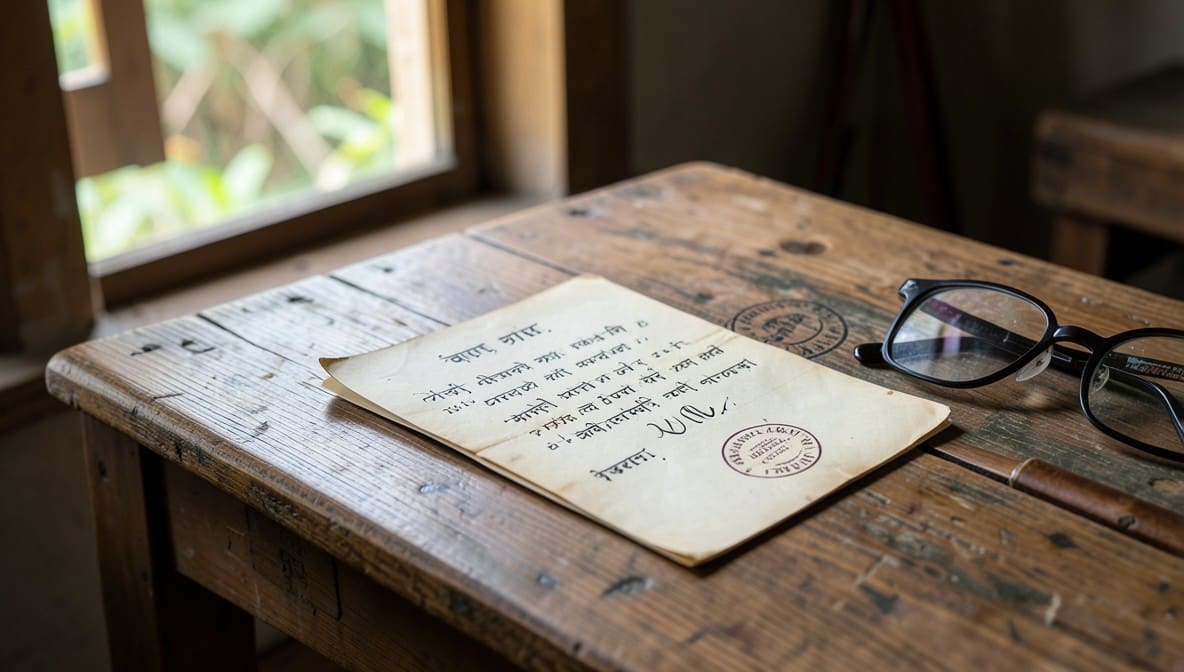
The Punjab and Haryana High Court has reaffirmed the limited scope of interference in Regular Second Appeals when lower courts have concurrently upheld the validity of a Will. This judgment underscores the finality of factual findings based on proper appreciation of evidence, particularly where expert testimony and attestation comply with statutory requirements.
Background & Facts
The Dispute
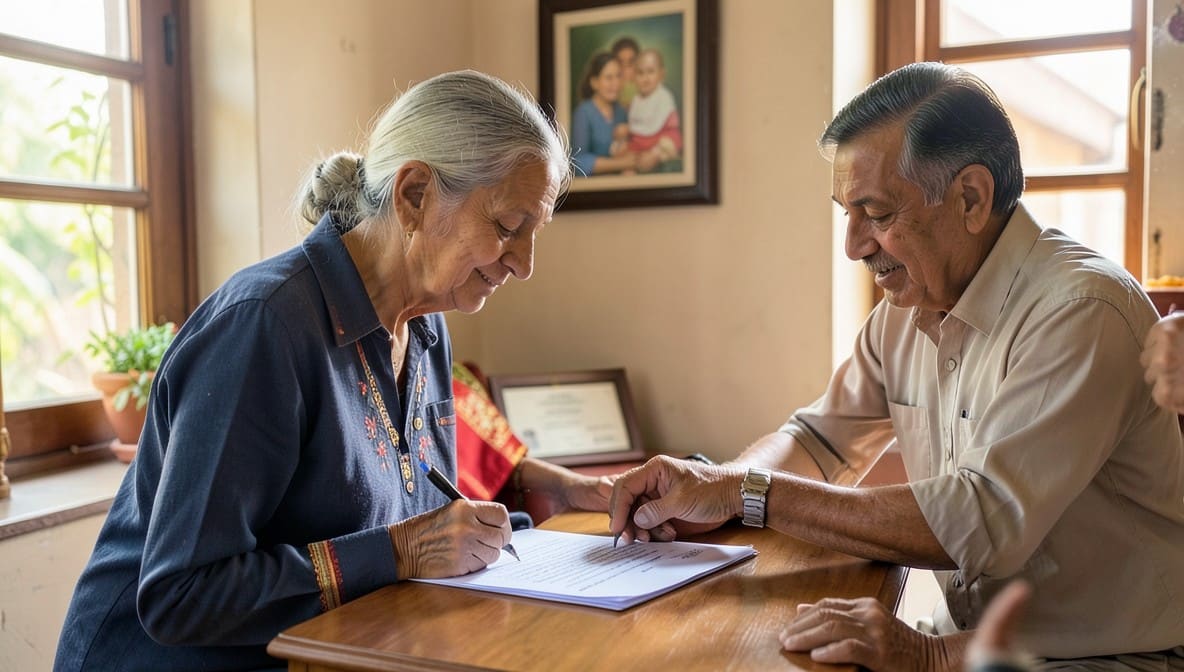
The dispute arose over the estate of the deceased Sadhu Singh. The plaintiffs, his sons, filed a suit seeking a declaration of ownership and a permanent injunction based on a Will dated 10.04.1999. The Will bequeathed portions of the property exclusively to the plaintiffs, citing their care and contributions during the testator’s lifetime. The defendants, including defendant No. 2 (now the appellant through her legal representatives), contested the Will’s authenticity, alleging forgery and fabrication.
Key Facts
- The Will was executed on 10.04.1999
- The testator, Sadhu Singh, was 82 years old at the time of execution
- The Will was unregistered
- The scribe and one attesting witness testified in court
- The plaintiffs produced expert evidence comparing thumb impressions on the Will with admitted specimens of the testator’s thumb impressions
- The expert report confirmed a match between the impressions
- The defendant did not call any expert witness to rebut the plaintiffs’ evidence
- No independent witnesses from the testator’s native village attested the Will
- The Will excluded some natural heirs, distributing property unequally
Procedural History
- 10.04.1999: Execution of the Will
- 26.08.2016: Trial Court decreed the suit, upholding the Will’s validity
- 18.08.2022: First Appellate Court affirmed the trial court’s findings
- 21.04.2026: Regular Second Appeal decided by the High Court
The Parties' Positions
Plaintiffs-Respondents: Asserted that the Will was duly executed, attested, and authenticated by expert evidence. They emphasized the reliability of the scribe and attesting witness, and the unchallenged expert opinion on thumb impressions.
Defendant-Appellant: Alleged the Will was forged, the testator was not of sound mind, and the absence of village witnesses raised suspicion. Argued that the Will’s unregistered nature and unnatural disposition rendered it invalid.
Relief Sought
The plaintiffs sought a declaration of ownership and a permanent injunction restraining the defendants from interfering with their possession of the property. The defendant sought dismissal of the suit and declaration that the Will was invalid.
The Legal Issue
The central question was whether the concurrent findings of the two lower courts, upholding the validity of an unregistered Will based on attestation and expert evidence, could be disturbed in a Regular Second Appeal in the absence of a substantial question of law.
Arguments Presented
For the Appellant
Learned counsel contended that the Will was surrounded by suspicious circumstances: the testator’s alleged frail mental state, absence of witnesses from his native village, unequal distribution among heirs, and non-registration. It was argued that these factors, taken together, should have cast doubt on the Will’s authenticity and that the courts below misread the evidence.
For the Respondent
The respondents relied on the testimony of the scribe and attesting witness, supported by unchallenged expert evidence confirming the thumb impressions. They argued that mere exclusion of heirs or non-registration does not constitute a suspicious circumstance under Section 63 of the Indian Succession Act, 1925 and Section 68 of the Indian Evidence Act, 1872. The burden of proving forgery lay on the defendant, who failed to adduce any rebuttal evidence.
The Court's Analysis
The Court emphasized that a Regular Second Appeal under Section 100 of the Code of Civil Procedure is not a forum for re-appreciating evidence. The scope is confined to substantial questions of law. The concurrent findings of fact by two lower courts are binding unless shown to be perverse, based on misreading of evidence, or patently illegal.
"It is well settled that mere exclusion of some natural heirs or unequal distribution of property does not by itself constitute a suspicious circumstance. Similarly, non-registration of a Will is not a circumstance to doubt its validity."
The Court noted that the scribe and one attesting witness had deposed consistently, and their testimony was not discredited. The expert evidence linking the thumb impressions on the Will to those of the testator remained unchallenged. The defendant’s failure to call a rebuttal expert was fatal to her case.
The Court further held that the absence of witnesses from the testator’s native village, while noted, did not invalidate the Will. The law does not require witnesses to be from the testator’s village, only that they be present and attesting at the time of execution.
The Court concluded that no substantial question of law arose. The findings were based on a proper appreciation of both oral and documentary evidence, and the appellant failed to demonstrate perversity or illegality.
The Verdict
The appeal was dismissed. The judgments and decrees of the Trial Court dated 26.08.2016 and the First Appellate Court dated 18.08.2022 were affirmed. The plaintiffs’ declaration of ownership and permanent injunction were upheld. No order as to costs was made.
What This Means For Similar Cases
Concurrent Findings Are Final Unless Perverse
- Practitioners must recognize that Second Appeals are not appeals on facts
- To succeed, appellants must demonstrate perversity, misreading of evidence, or illegality - not mere disagreement
- Courts will not re-evaluate witness credibility or expert testimony unless the findings are irrational
Expert Evidence Goes Unchallenged at Peril of the Opponent
- If a party leads expert evidence on signature/thumb impression matching, the burden shifts to the opponent to rebut it
- Failure to call a rebuttal expert is treated as an admission of the reliability of the evidence
- This principle applies equally to Wills, deeds, and other documents requiring authentication
Non-Registration Does Not Invalidate a Will
- A Will need not be registered to be valid under Section 63 of the Indian Succession Act
- Non-registration cannot be used as a standalone ground to cast doubt on authenticity
- Courts must examine the totality of evidence - attestation, testimony, and expert opinion - not procedural formalities