The Karnataka High Court has clarified a critical distinction in the application of Rule 8A of the Karnataka Minor Mineral Concession Rules, 1994, holding that the deemed extension of quarry leases applies only to subsisting leases where renewal applications were filed within the stipulated time. The judgment underscores that expired leases, particularly those over government lake beds, cannot be revived under the amended rules, reinforcing the primacy of environmental and revenue authorities' objections in mining permissions.
Background & Facts
The Dispute
The petitioners, Anusuyamma and B.G. Maruti Prasad, are the legal heirs of the original lessee, B. Ganganna, who was granted a quarry lease (QL-41) over 3.20 acres in Survey No. 26 of Maddakkanahalli village, Sira Taluk, Tumakuru District, for extracting grey granite. The lease was executed on 28.09.1996 for a term of five years, expiring on 27.09.2001. The dispute centers on the rejection of the petitioners' request to extend QL-41 under Rule 8A of the Karnataka Minor Mineral Concession Rules, 1994 (the Rules), which was amended in 2016 and 2023 to provide deemed extensions for existing leases.
Key Facts
- Original Lease Grant: B. Ganganna and his son, B.G. Ramadas, were granted QL-41 on 28.09.1996 for five years, expiring on 27.09.2001.
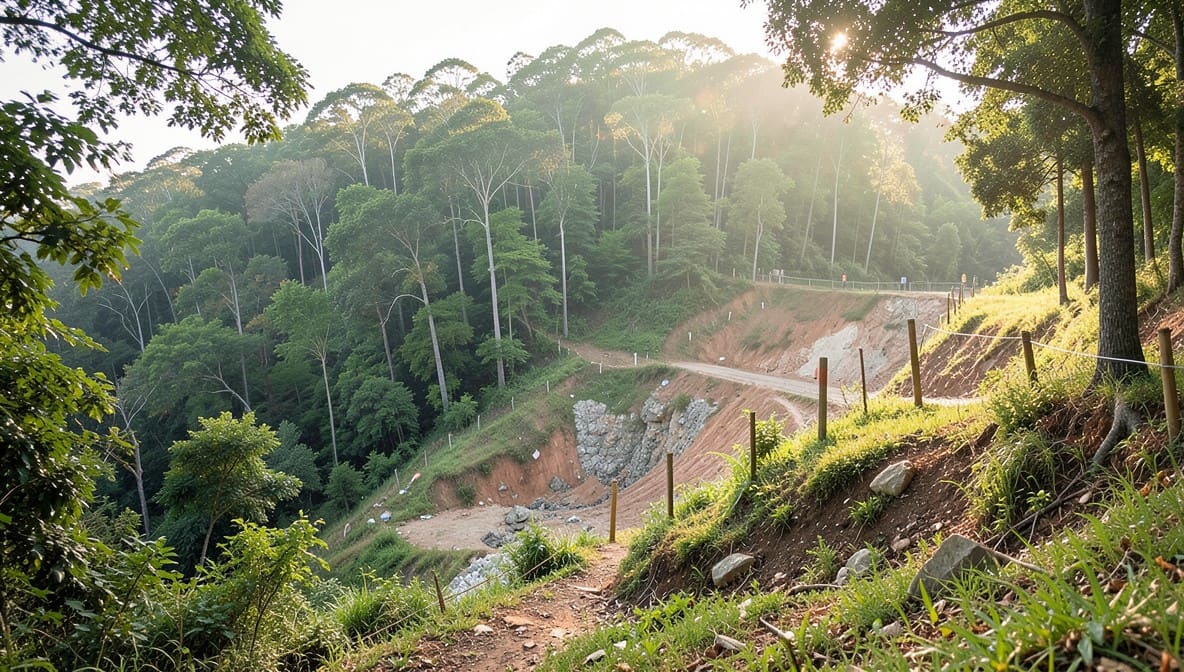
- Village Tank Controversy: Residents of Maddakkanahalli village filed public interest litigations (W.P. Nos. 23120/1989 to 23123/1989) contending that the quarry area was a government lake, and mining operations would damage it. The learned Single Judge quashed the lease notification on 03.12.1992.
- Court Commissioner Report: The Division Bench appointed the Chief Engineer, Minor Irrigation Department, as a Court Commissioner to assess the impact of quarrying on the lake. The report dated 22.03.1993 noted:
- The tank had an atchkat (catchment area) of 32 acres and 37 guntas, with a water spread area of 53 acres and 5 guntas.
- The tank had not received water since 1967-68 and was completely dry at the time of inspection.
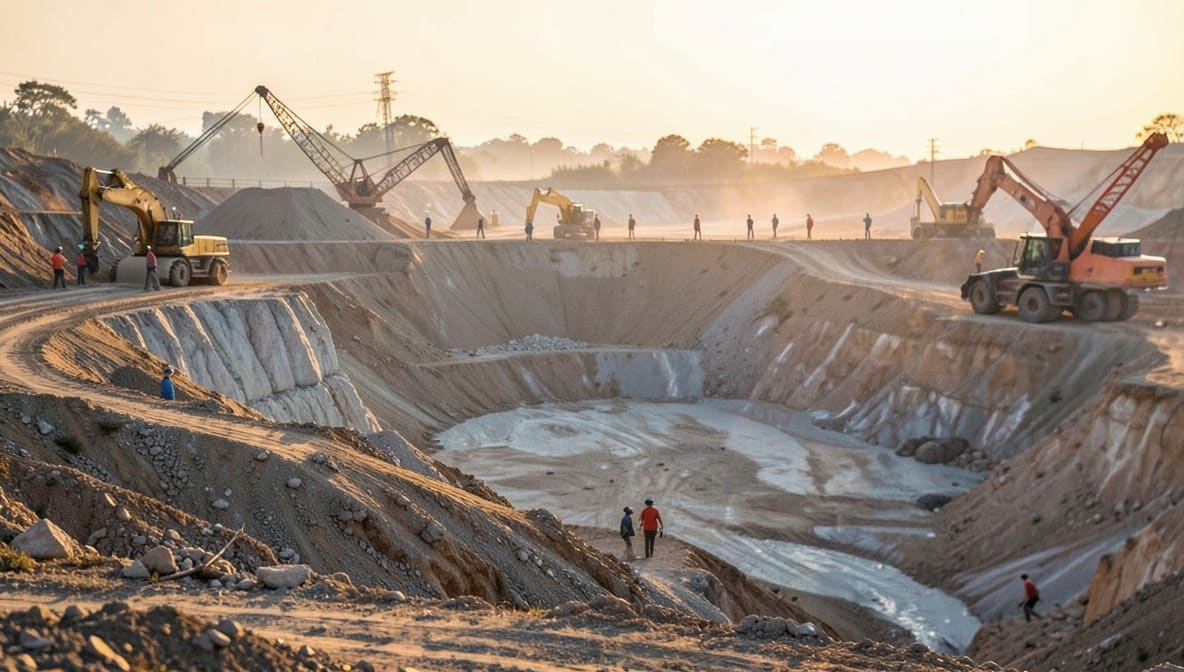
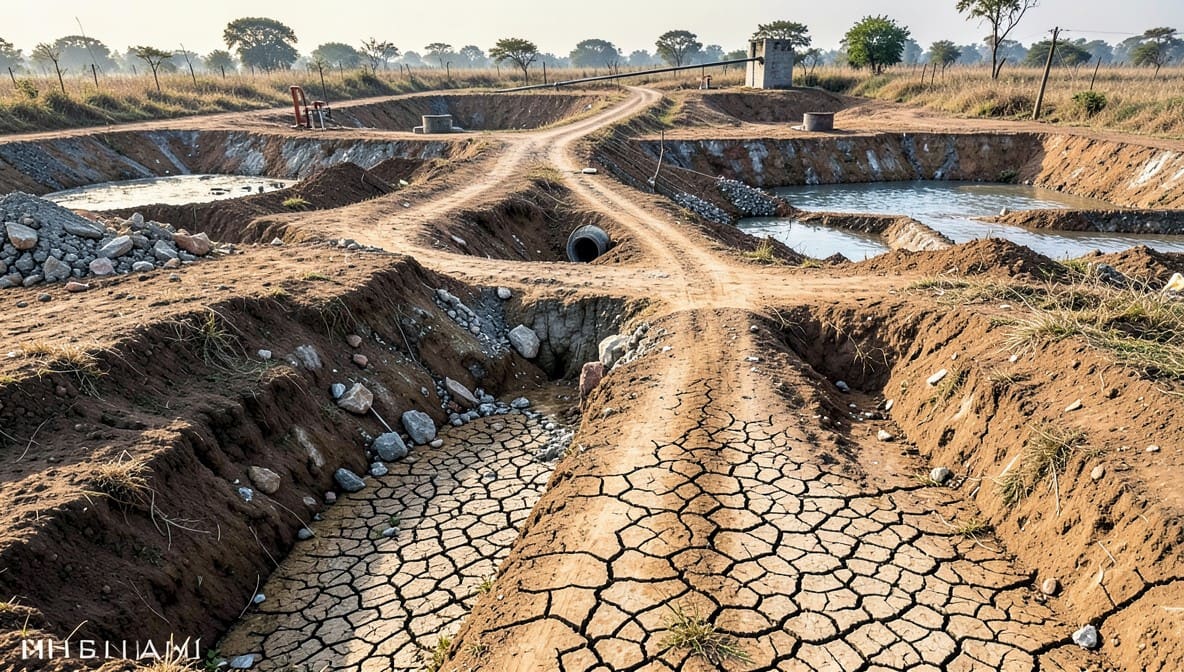
- Excavated debris and quarry muck had bifurcated the lake area, and deep pits from quarrying collected water, which was used for irrigation.
- No opinion from the Irrigation Authorities was sought before granting the lease.
- Renewal Applications:
- After B. Ganganna’s demise on 27.01.2000, his widow, Smt. Lokamma, requested transfer of QL-41 on 19.06.2000 (not on record but referenced in a letter dated 10.02.2004).
- Smt. Lokamma filed an application for renewal of QL-41 on 04.01.2003, beyond the stipulated period under Rule 9(2) of the Rules.
- The Deputy Commissioner, Tumakuru District, issued a no-objection certificate on 31.07.2003, despite noting that the land was a government lake.
- The Rule 11 Committee recommended renewal of QL-41 on 08.12.2010, subject to clearance of dues.
- The Deputy Conservator of Forests issued a no-objection on 16.06.2012, stating that quarrying activities had not harmed wildlife.
- Change in Authorities’ Opinion:
- After Rule 8(5) of the Rules was amended on 16.12.2013, requiring consultation with the Deputy Commissioner before granting or renewing leases, the Deputy Commissioner reversed his earlier stance. In a letter dated 13.07.2015, he objected to the renewal of QL-41, citing:
- The land was a government lake.
- The Revenue Inspector’s report confirmed Survey No. 26 as a government lake.
- Precedents: Hinch Lal Tiwari v. Kamala Devi ((2001) 6 SCC 496) and L. Krishna v. State of Tamil Nadu (2005(4) CTC 1), which prohibit quarrying in lake beds.
- After Rule 8(5) of the Rules was amended on 16.12.2013, requiring consultation with the Deputy Commissioner before granting or renewing leases, the Deputy Commissioner reversed his earlier stance. In a letter dated 13.07.2015, he objected to the renewal of QL-41, citing:
- Subsequent Events:
- Smt. Lokamma expired on 08.05.2016.
- The petitioners, claiming to be her heirs, requested extension of QL-41 under Rule 8A (as amended on 12.08.2016 and 17.03.2023) via a letter dated 18.01.2018.
- The Director and Competent Authority, Department of Mines and Geology, rejected the request by an endorsement dated 06.03.2019 (impugned order).
- The petitioners filed the present writ petition under Articles 226 and 227 of the Constitution, challenging the impugned endorsement.
Procedural History
- 1988-1989: Residents file W.P. Nos. 23120/1989 to 23123/1989 challenging the grant of quarry lease in Survey No. 26.
- 03.12.1992: Single Judge quashes the lease notification.
- 1993: Division Bench disposes of appeals (W.A. Nos. 41 to 49/1993), remitting the matter to the Competent Authority for fresh consideration, including the Court Commissioner’s report.
- 28.09.1996: QL-41 executed in favour of B. Ganganna for five years.
- 27.01.2000: B. Ganganna passes away.
- 19.06.2000: Smt. Lokamma requests transfer of QL-41 (letter not on record).
- 27.09.2001: QL-41 expires.
- 04.01.2003: Smt. Lokamma files application for renewal of QL-41.
- 10.02.2004: Secretary to Government directs the Director, Department of Mines and Geology, to take action for renewal of QL-41.
- 31.07.2003: Deputy Commissioner issues no-objection for quarrying.
- 08.12.2010: Rule 11 Committee recommends renewal of QL-41.
- 06.12.2010: Deputy Director issues no-dues certificate, subject to payment of interest.
- 16.06.2012: Deputy Conservator of Forests issues no-objection.
- 07.11.2014: Rule 11 Committee seeks fresh opinion from Deputy Commissioner.
- 13.07.2015: Deputy Commissioner objects to renewal, citing the land as a government lake.
- 08.05.2016: Smt. Lokamma expires.
- 12.08.2016: Rule 8A amended to provide deemed extension of leases for 30/50 years.
- 17.03.2023: Rule 8A further amended.
- 18.01.2018: Petitioners request extension of QL-41 under amended Rule 8A.
- 06.03.2019: Impugned endorsement rejects the petitioners’ request.
- 2024: Present writ petition filed.
Relief Sought
The petitioners sought:
- Quashing of the impugned endorsement dated 06.03.2019.
- Extension of QL-41 under Rule 8A of the Rules, as amended.
- A direction to the respondents to extend QL-41 for a period of 30 years from the date of its original grant.
The Legal Issue
The Court addressed two principal questions:
- Whether quarrying activities could be permitted in an area that is a government lake, even if it had dried up and not received water for decades.
- Whether the petitioners were entitled to the benefit of the deemed extension under Rule 8A of the Rules, despite the original lease having expired and the renewal application not being filed within the stipulated time.
Arguments Presented
For the Petitioners
- Deemed Extension Under Rule 8A: Relied on the amended Rule 8A, which provides for deemed extension of leases granted before 12.08.2016 for 50 years (specified minerals) or 30 years (non-specified minerals). Argued that QL-41 should be deemed extended under this provision.
- Estoppel by Conduct: Contended that the authorities had previously permitted quarrying in the subject area, despite knowing it was a lake. The Deputy Commissioner’s no-objection dated 31.07.2003 and the Rule 11 Committee’s recommendations (08.12.2010 and 07.11.2014) estopped the respondents from reversing their stance.
- Delay Condonation: Argued that the delay in filing the renewal application was condoned by the authorities’ conduct, including the Secretary to Government’s letter dated 10.02.2004 directing renewal.
- Expert Report: Relied on the Court Commissioner’s report (22.03.1993), which stated that the lake had not received water since 1967-68 and that quarrying would not affect drinking water sources.
For the Respondents
- Expired Lease: Contended that QL-41 expired on 27.09.2001 and was never validly renewed. The application for renewal filed on 04.01.2003 was beyond the stipulated period under Rule 9(2), which required renewal applications to be filed 90 days before expiry.
- No Vested Right: Argued that the authorities’ conduct in considering the renewal application did not create a vested right to extension. The lease could only be renewed or extended in accordance with the Rules.
- Government Lake Protection: Cited Hinch Lal Tiwari v. Kamala Devi ((2001) 6 SCC 496) and L. Krishna v. State of Tamil Nadu (2005(4) CTC 1) to argue that quarrying in a lake bed is prohibited, regardless of whether the lake is dry.
- Alternative Remedy: Contended that the petitioners had an equally efficacious remedy under Rule 53 of the Rules for revision and that the writ petition ought not to be entertained.
The Court's Analysis
The Court conducted a detailed examination of the factual and legal matrix, focusing on two key aspects: the environmental implications of quarrying in a lake bed and the applicability of Rule 8A to expired leases.
Quarrying in a Government Lake
The Court noted that the subject area was indisputably a government lake, as confirmed by the Revenue Inspector’s report and the Deputy Commissioner’s objection dated 13.07.2015. While the petitioners relied on the Court Commissioner’s report (22.03.1993) to argue that the lake had dried up and not received water since 1967-68, the Court observed:
"The material on record indicates that whenever the tank does receive water, the same stands for about two months during the rainy season before draining away by seepage. The Court Commissioner’s report also indicated that mounds of debris and excavated material have been created to demarcate the area of the lake where quarrying activities were conducted. It is also reported that deep pits from quarrying collect water from the lake, which is then used for irrigation."
The Court held that the revenue authorities’ opinion that quarrying should not be permitted in a lake bed was justified and warranted no interference. It emphasized that the earlier no-objection certificates issued by the Deputy Commissioner (31.07.2003) and the Rule 11 Committee (08.12.2010) did not estop the authorities from forming a contrary opinion, as the renewal of a lease is akin to granting a fresh lease.
Applicability of Rule 8A to Expired Leases
The Court examined the scope of Rule 8A, which was amended on 12.08.2016 and 17.03.2023 to provide deemed extensions for existing leases. The petitioners argued that QL-41 should be deemed extended for 30 years under this provision. However, the Court rejected this contention, holding:
"The deemed extension of the lease term did not revive dead leases. Rule 8A(3) of the Rules as in force with effect from 12.08.2016 expressly provides that the deemed extension is 'subject to the condition that all terms and conditions of the lease have been complied with and also subject to the condition that application for renewal of the expired lease had been made by the lessee within the time required for making such renewal application.'"
The Court noted that Rule 9(2) of the Rules, as in force at the material time, required renewal applications to be filed 90 days before the expiry of the lease. Smt. Lokamma’s application dated 04.01.2003 was filed over a year after the expiry of QL-41 (27.09.2001), and there was no provision for condoning the delay. Thus, the Court concluded:
"In the absence of any specific provision permitting renewal of the lease beyond the period stipulated at the material time, the concerned authorities have no power to renew an expired lease."
The Court also observed that even if the renewal application had been filed in time and granted, QL-41 would have expired on 27.09.2006, as Smt. Lokamma had sought renewal for only five years. There was no evidence of any subsequent applications for further renewal.
Petitioners’ Lack of Subsisting Interest
The Court further held that the petitioners had no subsisting interest in QL-41 as of 08.05.2016 (date of Smt. Lokamma’s demise). It noted:
"The petitioners claim rights as legal heirs of the original lessee. However, they had made no application for the transfer of the QL-41 in their names, upon the demise of the original lessee or upon the demise of Smt. Lokamma."
The Court also rejected the argument that the authorities’ conduct in considering the renewal application created a vested right, emphasizing that leases can only be granted, renewed, or extended in accordance with the Rules.
The Verdict
The Court dismissed the writ petition, holding that:
- The petitioners were not entitled to the benefit of the deemed extension under Rule 8A of the Karnataka Minor Mineral Concession Rules, 1994, as QL-41 had expired and the renewal application was not filed within the stipulated time.
- Quarrying activities could not be permitted in the subject area, as it was a government lake, and the revenue authorities’ objection was justified.
- The petitioners had no subsisting interest in QL-41 as of the date of Smt. Lokamma’s demise (08.05.2016), and no application for transfer of the lease was made in their favour.
- Pending applications were disposed of.
What This Means For Similar Cases
Deemed Extension Applies Only to Subsisting Leases
- Strict Compliance with Renewal Timelines: Practitioners must ensure that renewal applications for quarry leases are filed at least 90 days before expiry under Rule 9(2) of the Rules. The Court has clarified that there is no power to condone delays, and expired leases cannot be revived under Rule 8A.
- No Vested Rights from Authorities’ Conduct: The mere consideration of a renewal application by authorities (e.g., the Rule 11 Committee) does not create a vested right to extension. Leases can only be renewed or extended in accordance with the Rules.
- Legal Heirs Must Act Promptly: Legal heirs of lessees must apply for transfer of leases immediately upon the lessee’s demise. Failure to do so may result in the loss of subsisting interest, as seen in this case.
Environmental Protections Override Previous Permissions
- Government Lake Beds Are Non-Negotiable: The Court has reinforced that quarrying in government lake beds is prohibited, regardless of whether the lake is dry or has not received water for decades. Precedents like Hinch Lal Tiwari v. Kamala Devi and L. Krishna v. State of Tamil Nadu will continue to govern such cases.
- Revenue Authorities’ Opinion Prevails: The Deputy Commissioner’s objection to quarrying in lake beds will override previous no-objection certificates or recommendations from other authorities (e.g., Rule 11 Committee). Practitioners must ensure that all statutory consultations (e.g., with the Irrigation Department) are completed before seeking renewals.
- No Estoppel Against Environmental Laws: Authorities are not estopped from reversing their stance on environmental grounds, even if they previously permitted quarrying in a lake bed. Renewal of a lease is treated as a fresh grant, requiring compliance with all current rules.
Practical Takeaways for Mining Practitioners
- Documentary Evidence Is Critical: Maintain records of all communications with authorities, including no-objection certificates, committee recommendations, and expert reports. However, these do not guarantee renewal if statutory conditions are not met.
- Monitor Rule Amendments: Stay updated on amendments to mining rules (e.g., Rule 8A), as they may impact lease terms. However, amendments providing deemed extensions do not apply to expired leases.
- Alternative Remedies: Explore remedies under Rule 53 of the Rules for revision, but be mindful that writ petitions may be dismissed if alternative remedies exist and are not exhausted.