The Madras High Court has affirmed that public authorities cannot ignore representations seeking access to private land after infrastructure projects like ring roads have severed existing entry points. The judgment establishes a clear procedural obligation to consider such claims on their merits, ensuring that expropriation does not result in de facto denial of property rights.
Background & Facts
The Dispute
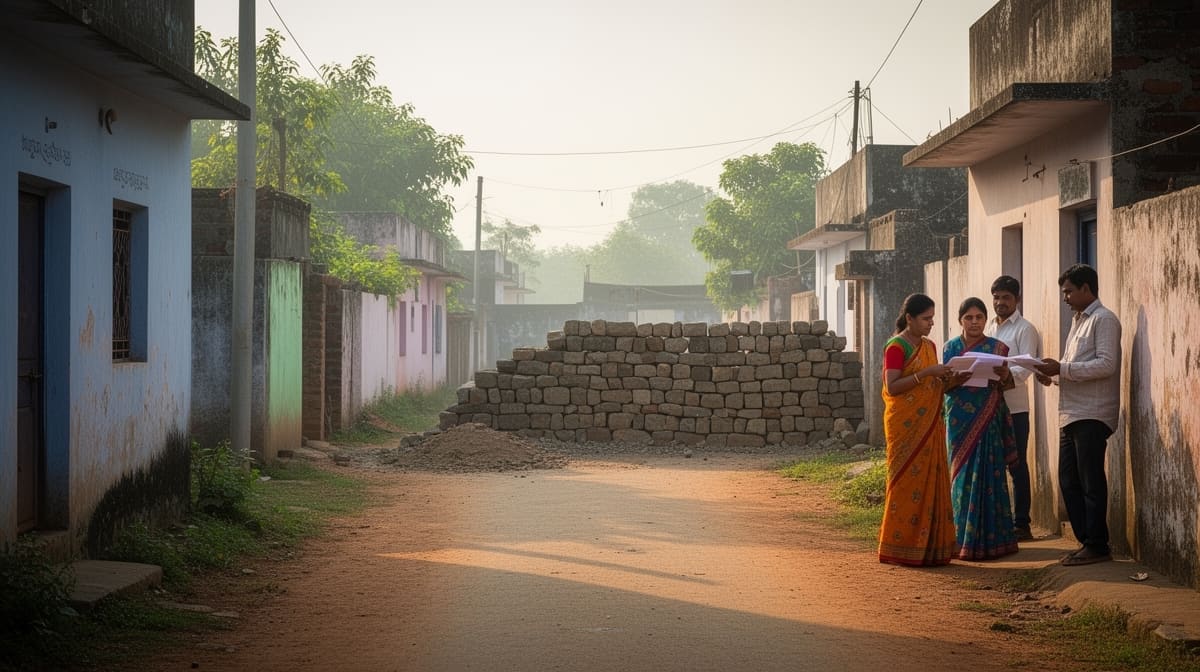
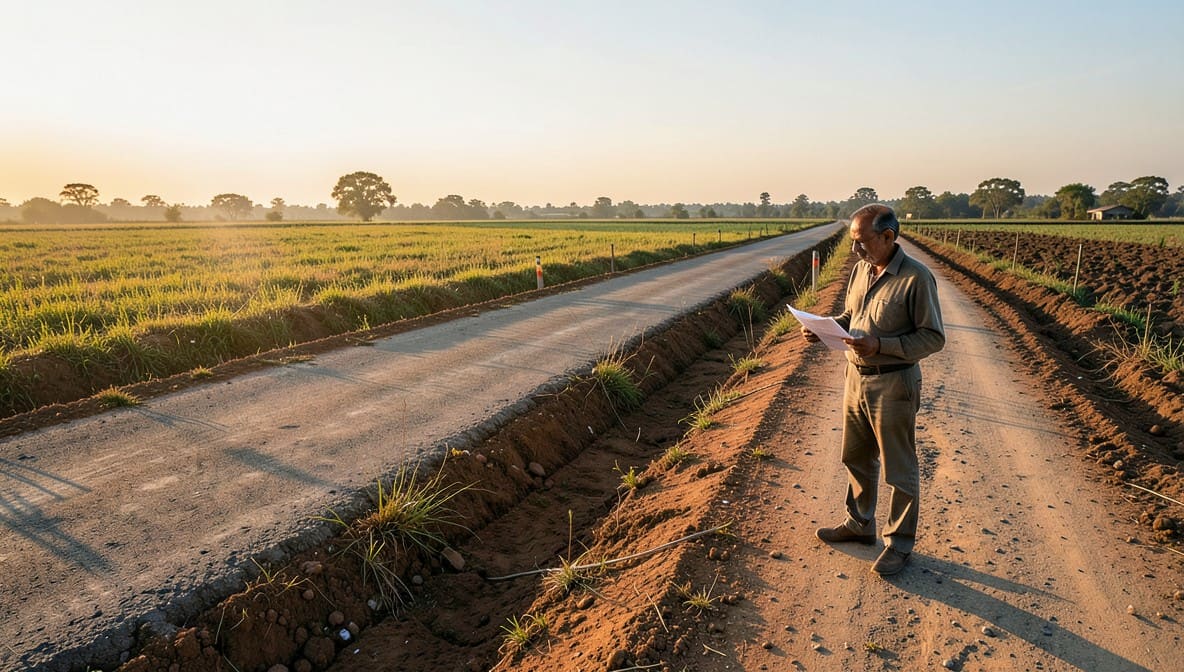
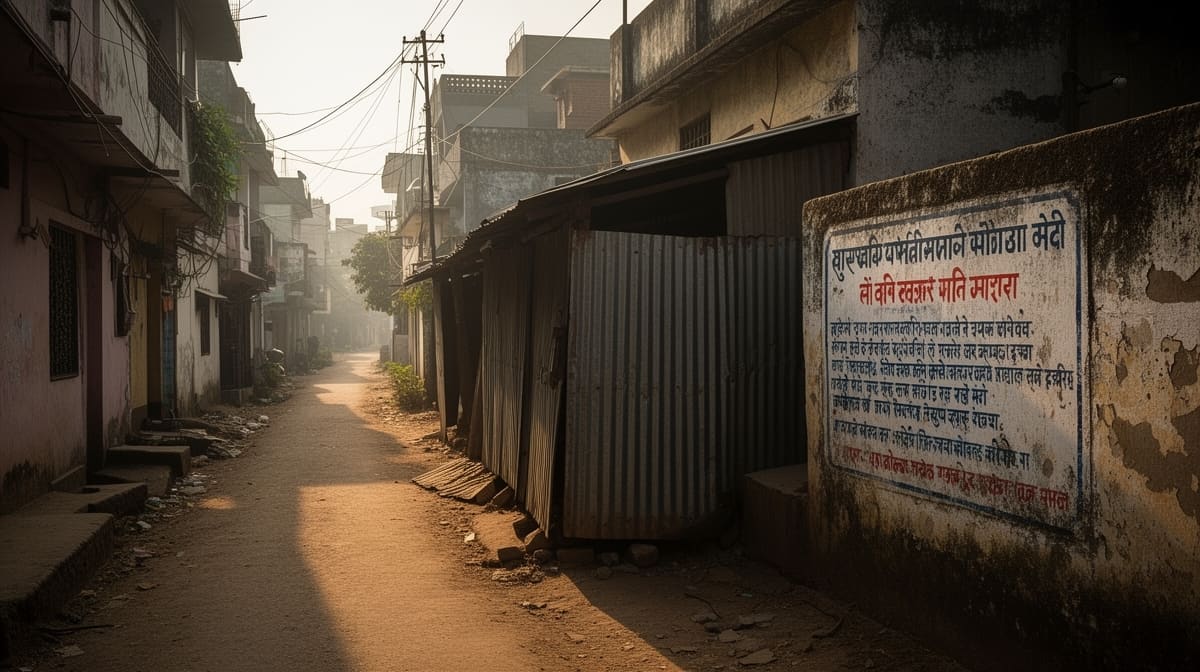
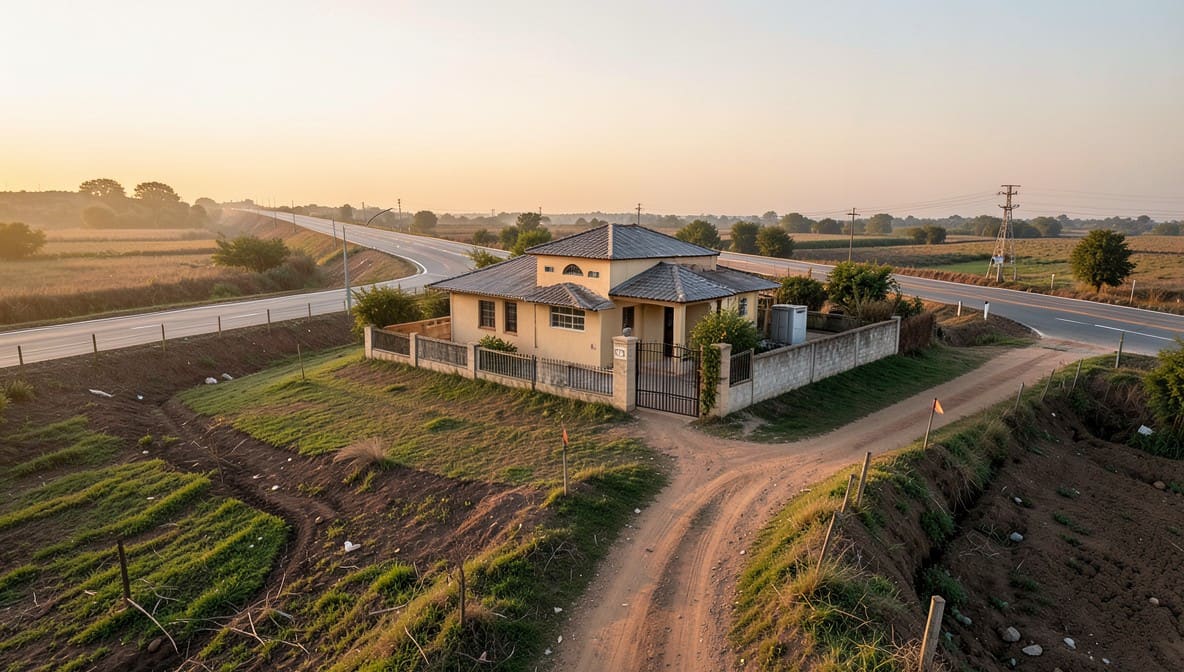
The petitioners, three brothers residing at No. 2/326, Mondiamman Koil Street, Redhills, Chennai, own contiguous parcels of land adjacent to the newly constructed Outer Ring Road (ORR). The construction of the ORR, undertaken by the Chennai Metropolitan Development Authority (CMDA), has effectively blocked the petitioners’ traditional access to their properties. The space between the petitioners’ residual lands and the ORR has been retained by the respondents, leaving no legal or physical pathway for entry or exit.
Key Facts
- The petitioners’ lands were not fully acquired but were partially retained as residual parcels after the ORR project.
- The construction of the ORR severed the existing access route to these residual lands.
- The petitioners submitted two formal representations seeking a vehicular access point:
- First representation dated 16.06.2025
- Second representation dated 15.11.2025
- Neither representation received any substantive response or order from the respondents.
- The petitioners allege that the lack of access renders their land unusable and effectively deprives them of its economic value.
- The petitioners have not been provided with any alternative access route or compensation for loss of access.
Procedural History
- 16.06.2025: First representation submitted to the second respondent, Special Thasildar, seeking access to the ORR.
- 15.11.2025: Second representation filed, reiterating the request and attaching site plans and photographs.
- No response received from either respondent within a reasonable time.
- 2026: Writ Petition No. 11812 of 2026 filed before the Madras High Court.
- WMP No. 12887 of 2026: Filed as a connected miscellaneous petition seeking interim relief, later withdrawn as unnecessary.
The Parties' Positions
Petitioners: Argued that the state’s construction of the ORR created a legal and physical barrier to their property, triggering a duty under Article 300A of the Constitution and principles of natural justice to provide reasonable access. They emphasized that their land remains legally owned and that denial of access amounts to constructive deprivation.
Respondents: Did not contest the factual premise of blocked access. The first respondent (CMDA) accepted notice but did not file a counter-affidavit. The second respondent (Special Thasildar) accepted notice through the Additional Government Pleader but offered no substantive defense or explanation for non-action.
Relief Sought
The petitioners sought a direction to the second respondent to:
- Consider their representations dated 16.06.2025 and 15.11.2025 on merits
- Provide a lawful and feasible access route from the Outer Ring Road to their properties
- Fix a timeline for such action
The Legal Issue
The central question was whether a public authority, having constructed a major infrastructure project that severs access to retained private land, is under a legal obligation to consider representations seeking restoration of access, and whether silence or inaction on such representations constitutes a violation of constitutional and procedural norms.
Arguments Presented
For the Petitioner
The petitioners relied on the principle that the state cannot create a situation where private property becomes unusable due to its own actions. They cited State of Haryana v. S.L. Arora and M.C. Mehta v. Union of India to argue that even partial acquisition triggers a duty to ensure reasonable access. They emphasized that Article 300A protects the right to property and that denial of access is tantamount to deprivation without compensation.
For the Respondent
The respondents did not file any written submissions or affidavits. The Standing Counsel for CMDA and the Additional Government Pleader merely accepted notice, offering no legal defense or factual rebuttal. The court noted the absence of any justification for non-adjudication of the representations.
The Court's Analysis
The Court observed that the petitioners’ representations were not merely requests but formal claims seeking redress of a tangible injury caused by state action. The construction of the ORR by the respondents had altered the physical and legal landscape of the petitioners’ property, rendering it inaccessible. The Court held that such a situation cannot be left unaddressed.
"The state cannot, through its own infrastructure projects, create a situation where private property is rendered unusable without providing a lawful means of access. Silence in the face of such representations is not an option under the rule of law."
The Court rejected the notion that the respondents were under no obligation to act because the land was not fully acquired. It emphasized that partial acquisition does not absolve the state of its duty to ensure that retained land remains functional. The Court further noted that the petitioners had exhausted all administrative remedies by submitting two representations over five months, with no response.
The Court declined to decide the merits of whether access should be granted, stating that such a determination required technical and administrative evaluation by the concerned authority. However, it held that the respondents were legally bound to consider the representations in accordance with law, examine supporting documents, and issue a reasoned order.
The Verdict
The writ petition was disposed of with the direction that the second respondent, the Special Thasildar, shall pass a final order on the petitioners’ representations dated 16.06.2025 and 15.11.2025 within twelve weeks from the date of receipt of a copy of this order. The order must be passed after due consideration of the documents submitted by the petitioners and in accordance with law. No costs were awarded. The connected miscellaneous petition was ordered subject to payment of a single court fee.
What This Means For Similar Cases
Access Cannot Be Denied After State-Induced Severance
- Practitioners representing landowners affected by highway, rail, or metro projects must now assert that partial acquisition triggers a duty to provide access, not just compensation.
- Representations seeking access must be treated as formal claims, not mere complaints, and must be adjudicated within a reasonable time.
Administrative Silence Is Not a Valid Response
- Public authorities cannot evade responsibility by ignoring representations. This judgment establishes that inaction constitutes a breach of procedural fairness.
- Where a state project alters land access, failure to respond to representations within 6 - 8 weeks may now be grounds for immediate writ relief.
Documentation Is Key
- Petitioners must retain copies of all representations and supporting documents (site plans, photographs, survey maps).
- Courts will not adjudicate access design but will compel authorities to do so - making thorough documentation critical for successful outcomes.