The Uttarakhand High Court has reaffirmed that ex-servicemen cannot be denied reservation benefits in subsequent government appointments merely because they previously availed such benefits. This judgment invalidates executive instructions that impose a one-time limit on reservation, aligning state practice with statutory definitions under the Purva Sainik Act.
Background & Facts
The Dispute
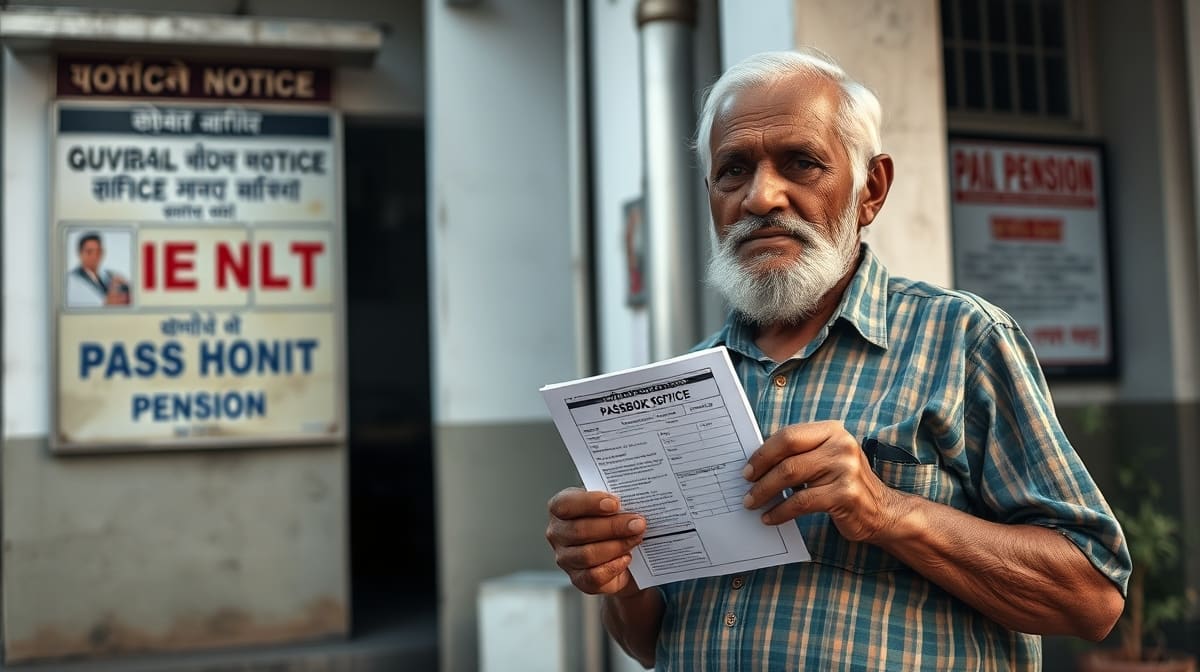
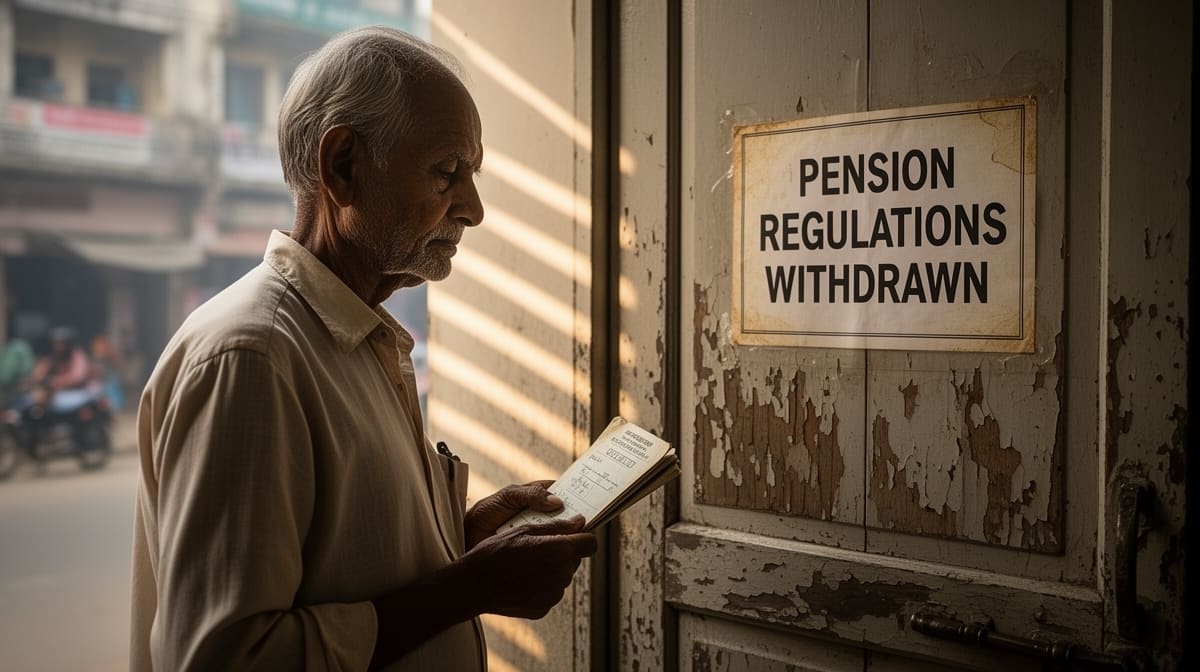
The petitioner, an ex-serviceman discharged from the Indian Army in 2017, applied for the post of Assistant Teacher (LT Grade) pursuant to an advertisement issued by the Uttarakhand Subordinate Services Selection Commission on 14.03.2024. He was selected and recommended for appointment against a vacancy reserved for ex-servicemen. However, on 13.10.2025, the Selection Commission issued a communication to the appointing authority stating that the petitioner was ineligible for the post because he had already availed the benefit of reservation as an ex-serviceman in his prior appointment as Village Development Officer.
Key Facts
- The petitioner was discharged from the Indian Army in 2017.
- He was appointed as Village Development Officer under a reservation quota for ex-servicemen after his discharge.
- He applied for the post of Assistant Teacher (LT Grade) on 14.03.2024, which was advertised with a reservation for ex-servicemen.
- He was recommended for appointment by the Selection Commission on the basis of merit and eligibility.
- On 13.10.2025, the Selection Commission withdrew its recommendation, citing Government Order dated 22.05.2020, Clause 8, which restricted ex-servicemen to one reservation benefit.
- The petitioner challenged the 13.10.2025 communication as arbitrary and contrary to law.
Procedural History
- 14.03.2024: Advertisement issued by Uttarakhand Subordinate Services Selection Commission for Assistant Teacher (LT Grade) posts with ex-servicemen reservation.
- Mid-2024: Petitioner applied, appeared for examination, and was selected.
- 13.10.2025: Selection Commission issued communication declaring petitioner ineligible due to prior availing of reservation.
- 23.01.2026: Writ Petition (WPSS/737/2026) filed before the Uttarakhand High Court.
- 23.03.2026: Hearing concluded; judgment delivered.
The Parties' Positions
For the Petitioner
The petitioner contended that his prior appointment as Village Development Officer did not extinguish his right to claim reservation in subsequent posts. He relied on the Division Bench judgment in WPSB No. 491 of 2021, which had struck down Clause 8 of the Government Order dated 22.05.2020 as ultra vires.
For the Respondents
The State and Selection Commission initially defended the 13.10.2025 communication on the basis of Clause 8 of the 2020 Government Order. However, during hearing, both conceded that the Clause had been invalidated by the Division Bench and could no longer be relied upon.
Relief Sought
The petitioner sought quashing of the communication dated 13.10.2025, and a direction to the Selection Commission to recommend his name afresh for appointment against the reserved vacancy, and for the appointing authority to proceed with appointment as per law.
The Legal Issue
The central question was whether an ex-serviceman, once appointed to a government post under reservation, loses his eligibility for future reservations under the Purva Sainik Act, or whether executive instructions imposing a one-time benefit restriction are legally sustainable.
Arguments Presented
For the Petitioner
The petitioner’s Senior Counsel relied on the Division Bench judgment in WPSB No. 491 of 2021, which held that Clause 8 of the Government Order dated 22.05.2020 was invalid because it created an artificial classification not sanctioned by the Purva Sainik Act. The Act defines "Purva Sainik" broadly under Section 2(c), encompassing all categories of ex-servicemen without restriction on re-employment. The Counsel argued that executive instructions cannot override statutory definitions and that denying reservation a second time violates Article 14 of the Constitution.
For the Respondent
The State and Selection Commission initially relied on Clause 8 of the 2020 Government Order to deny the petitioner’s eligibility. However, during the hearing, both respondents conceded that the Division Bench’s judgment had rendered Clause 8 legally unsustainable and that the restriction could no longer be enforced.
The Court's Analysis
The Court examined the legal framework governing ex-servicemen reservations under the Purva Sainik Act and the binding precedent set by its own Division Bench in WPSB No. 491 of 2021. The Court noted that the Act defines "Purva Sainik" in Section 2(c) to include all persons discharged from service under specified conditions, without any limitation on the number of times they may claim reservation.
"Legislation, which covers the field, does not permit classification of Purva Sainik (Ex-servicemen) based on their reemployment status."
The Court emphasized that executive instructions, such as Clause 8 of the 2020 Government Order, cannot impose conditions contrary to statutory definitions. The Division Bench had already held that such a restriction was discriminatory and ultra vires. The Court found no legal basis to distinguish the present case from the precedent, particularly since the respondents themselves conceded the invalidity of Clause 8.
The Court further held that once a candidate is selected and recommended under a reservation category, the subsequent withdrawal of eligibility based on an invalid executive instruction amounts to arbitrary action. The principle of legitimate expectation and the doctrine of equality under Article 14 required the petitioner to be treated on par with other eligible ex-servicemen.
The Verdict
The writ petition was allowed. The communication dated 13.10.2025, declaring the petitioner ineligible for appointment against the reserved vacancy, was quashed. The Selection Commission was directed to recommend the petitioner’s name afresh for the post of Assistant Teacher (LT Grade) against the vacancy reserved for ex-servicemen. The appointing authority was directed to take necessary action on the fresh recommendation in accordance with law.
What This Means For Similar Cases
Reservation Benefits Are Not Exhaustible
- Practitioners must now argue that ex-servicemen retain eligibility for reservation in every subsequent government recruitment, regardless of prior appointments.
- Any policy or circular limiting reservation to "one-time benefit" is legally untenable if it contradicts the statutory definition under the Purva Sainik Act.
- State commissions and appointing authorities must review all reservation policies to remove such non-statutory restrictions.
Executive Instructions Cannot Override Statutory Definitions
- This judgment reinforces that executive orders cannot narrow or qualify the scope of rights granted by legislation.
- Where a statute defines a class broadly (e.g., "Purva Sainik" under Section 2(c)), administrative bodies cannot impose additional conditions like "first-time only" eligibility.
- Legal challenges against similar restrictions in other categories (e.g., SC/ST, women, persons with disabilities) may now be strengthened by this precedent.
Procedural Fairness in Selection
- Once a candidate is recommended under a reserved category, withdrawal of recommendation based on an invalid policy violates natural justice.
- Selection commissions must ensure that eligibility criteria are strictly aligned with statutory provisions, not internal guidelines.
- Candidates who face similar refusals should immediately challenge such decisions via writ petitions, citing this judgment.