The Madras High Court’s recent order underscores a critical principle: when public officials entrusted with religious endowments fail to maintain records and respond to transparency requests with evasive silence, it triggers a duty to investigate. This judgment reinforces that administrative inaction in the face of credible allegations of financial misconduct cannot be tolerated, especially when public trust in religious institutions is at stake.
Background & Facts
The Dispute
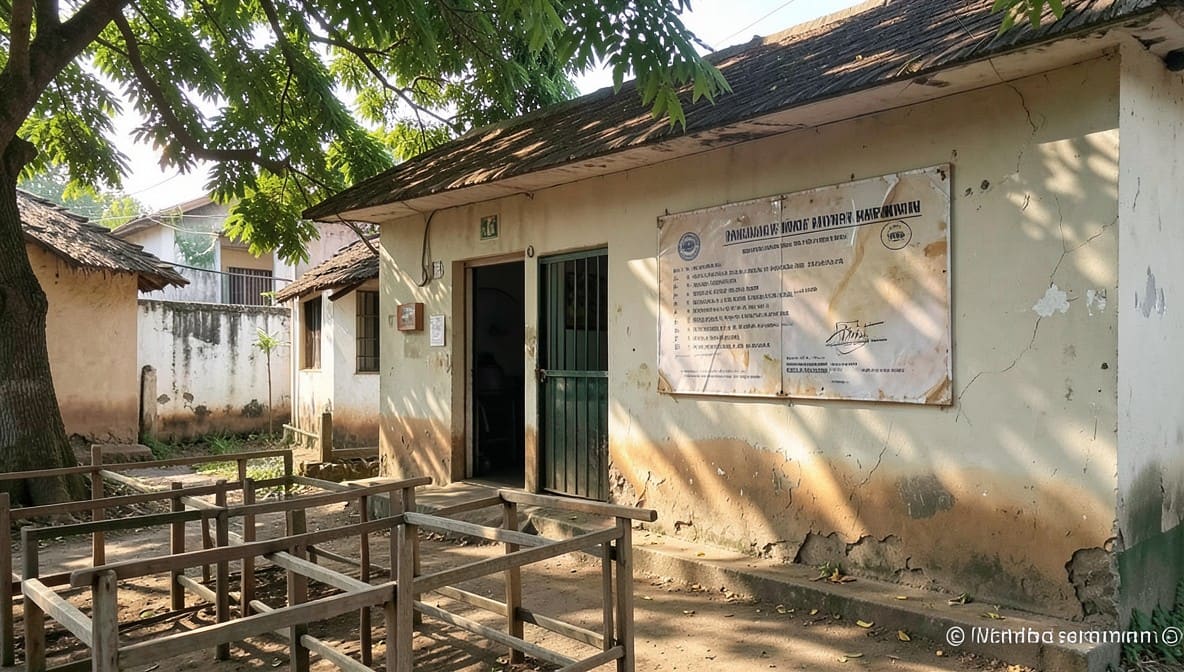
The petitioner, a devotee and concerned citizen, alleged that the 3rd respondent, Executive Officer of the Arulmighu Eswari Bathrakkali Amman Temple under the HR&CE Department, colluded with private individuals to illegally collect donations during temple festivals. During the Thirukarthigai Deepam festival in December 2025, two WhatsApp groups operating under the temple’s name collected Rs. 2,500 from each of 135 devotees, aggregating Rs. 3,37,500, without any official receipts, account books, or authorization.
Procedural History
- 2015: Similar allegations were made against the 3rd respondent; a criminal case (Crime No. 40/2015) was registered but closed as "Mistake of Fact".
- December 2025: Illegal collection occurred during the festival.
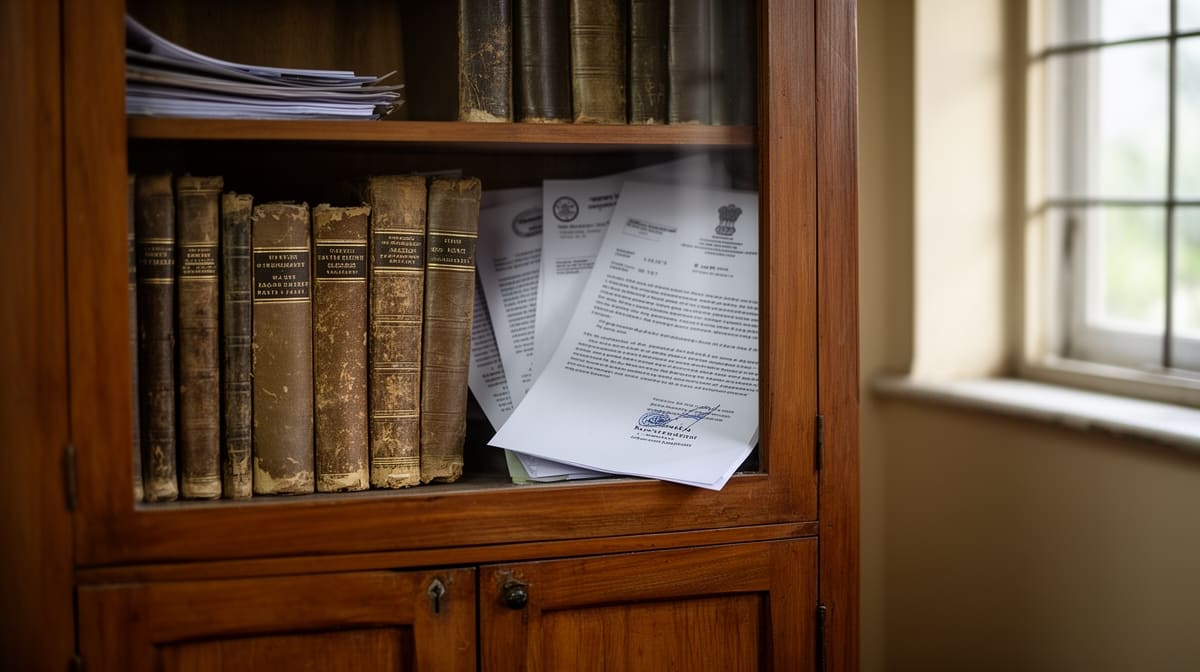
- 29.12.2025: The petitioner filed an RTI application seeking details of the donations; the 3rd respondent replied that no documents were maintained.
- 23.01.2026: The petitioner submitted a formal representation to the Anti-Corruption & Vigilance Department (1st and 2nd respondents) demanding inquiry and criminal registration.
- No action taken: The respondents failed to respond or initiate proceedings.
- February 2026: Writ petition filed under Article 226.
Relief Sought
The petitioner sought a writ of mandamus directing the Anti-Corruption Department to conduct a proper inquiry and register criminal proceedings against the 3rd respondent for criminal breach of trust, cheating, and corruption under the Prevention of Corruption Act.
The Legal Issue
The central question was whether a public official’s admission, through an RTI reply, that no records exist for large-scale cash collections - while not denying the collections themselves - constitutes sufficient grounds to compel an anti-corruption inquiry under Article 226.
Arguments Presented
For the Petitioner
The petitioner’s counsel argued that the 3rd respondent’s RTI reply - admitting absence of records while not denying receipt of Rs. 3.37 lakh - amounted to an implicit acknowledgment of unaccounted funds. Relying on State of U.P. v. Raj Kumar, the counsel contended that silence or evasion in the face of specific allegations, particularly from a fiduciary, raises a prima facie case warranting investigation. The failure to maintain accounts under the HR&CE Act and the prior closure of a similar case without final adjudication further supported the need for fresh scrutiny.
For the Respondent
The Additional Public Prosecutor argued that the 2015 case, closed as "Mistake of Fact", rendered the current complaint repetitive and baseless. He submitted that mere representations without independent evidence cannot trigger mandatory investigations, citing State of Haryana v. Bhagwan Das to argue that administrative discretion must not be curtailed by courts absent clear malafide.
The Court's Analysis
The Court rejected the notion that prior closure of a case automatically bars fresh scrutiny, noting that a Protest Petition in the 2015 matter remained pending. The Court emphasized that the 3rd respondent, as a public servant entrusted with temple funds, owed a fiduciary duty to maintain transparency. The RTI reply was pivotal: by not denying the collection but only stating that no documents were maintained, the official effectively conceded the absence of accountability.
"This Court finds that there is some substance in the petitioner's complaint. The reply under RTI, instead of a categorical denial, admits to non-maintenance of records, which is itself a violation of statutory obligations."
The Court held that such conduct, particularly in the context of religious endowments governed by the Tamil Nadu Hindu Religious and Charitable Endowments Act, raises a reasonable suspicion of misappropriation. The Court declined to direct immediate registration of an FIR, recognizing the procedural role of the Anti-Corruption Department, but made clear that inaction would constitute a dereliction of statutory duty.
The Verdict
The petitioner succeeded. The Madras High Court directed the 1st respondent, Director of the Anti-Corruption & Vigilance Department, to consider the representation dated 23.01.2026 on its merits, along with any supporting documents, and pass appropriate orders within six weeks. The Court did not order immediate registration of an FIR but mandated a substantive, time-bound inquiry.
What This Means For Similar Cases
RTI Silence Can Trigger Investigative Duty
- Practitioners must now treat an RTI reply that admits non-maintenance of records while avoiding denial of alleged transactions as a red flag warranting formal inquiry.
- In cases involving public fiduciaries (temple officers, trust managers, municipal officials), silence on financial records is not neutrality - it is suspicion.
- A prior closed case does not extinguish the duty to investigate new or corroborated allegations.
Fiduciary Accountability Trumps Discretion
- Public officials managing religious or charitable funds cannot evade accountability by claiming administrative convenience.
- The HR&CE Act imposes a statutory duty to maintain accounts; failure to do so is not merely procedural - it is a potential criminal offense under Section 409 IPC and the Prevention of Corruption Act.
- Courts will not defer to investigative agencies when the evidence of concealment is self-admitted.
Mandamus Is Available for Procedural Failure
- A writ of mandamus is maintainable not only for outright refusal but for unreasonable delay or passive inaction in the face of credible allegations.
- The six-week deadline sets a precedent for time-bound responses in public accountability matters.
- Practitioners should cite this judgment when seeking judicial intervention against bureaucratic inertia in corruption-related complaints.