The Madras High Court has clarified that participation in a peaceful protest during a COVID-19 lockdown, even if in technical violation of Section 144 CrPC, does not automatically constitute a criminal offence under Sections 269 or 270 of the IPC. The judgment underscores that the mere act of assembling without permission, without evidence of reckless or malicious conduct, cannot sustain criminal prosecution under public health statutes.
Background & Facts
The Dispute
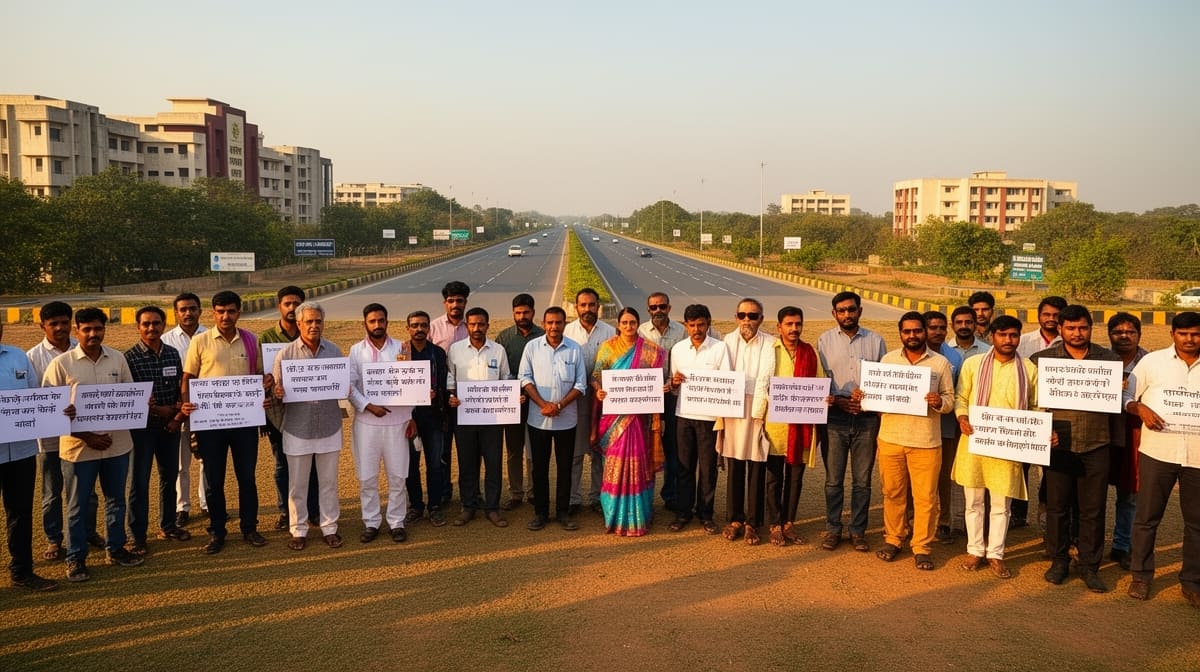
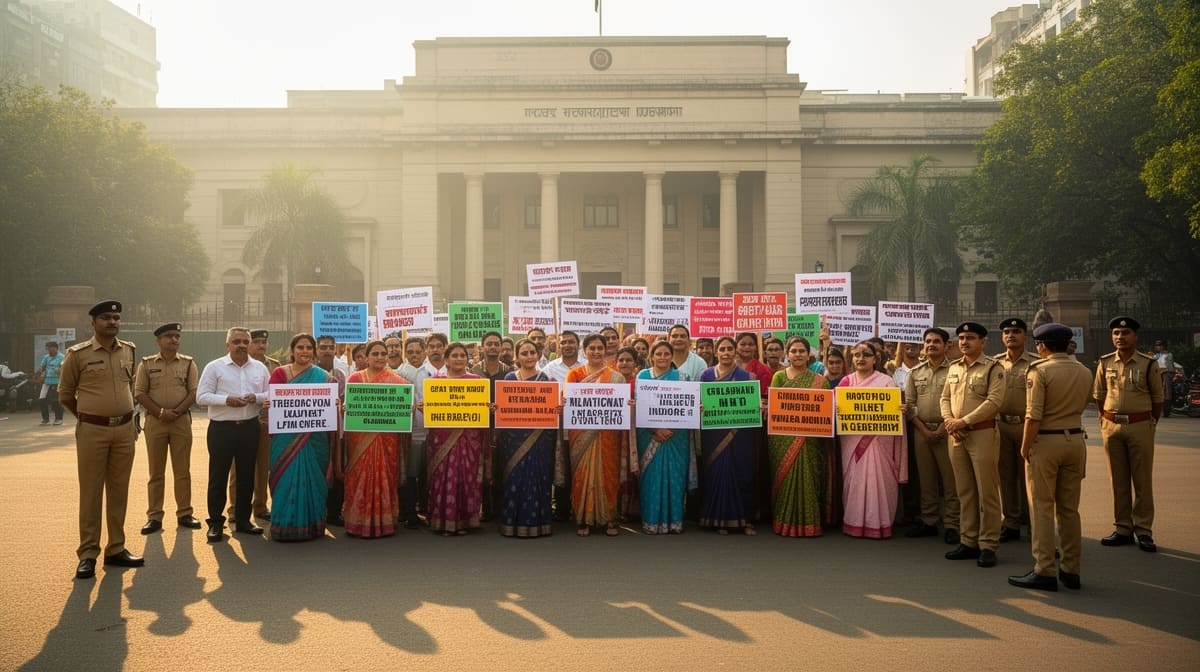
The petitioner, S. Salam Khan, was named in Crime No.2205 of 2020 registered by the Vaniyambadi Town Police Station on 6 December 2020. The case arose from a public gathering where participants raised slogans demanding "Justice for Babri Masjid" during the nationwide COVID-19 lockdown. The assembly occurred without prior permission, in apparent contravention of Section 144 CrPC issued by state and central authorities to curb mass gatherings.
Procedural History
- 6 December 2020: FIR registered under Sections 143, 269, 270 IPC read with Sections 2 and 3 of the Epidemic Diseases Act, 1987, and Section 51(b) of the Disaster Management Act.
- 2026: Petitioner filed Criminal Original Petition under Section 528 of the Bharatiya Nagarik Suraksha Sanhita (BNSS) seeking quashing of the FIR.
- 19 February 2026: Madras High Court heard arguments and delivered judgment.
Relief Sought
The petitioner sought quashing of the entire criminal proceedings on the grounds that the conduct did not meet the threshold for criminal liability under the invoked statutes, and that analogous precedents had already quashed similar cases.
The Legal Issue
The central question was whether peaceful assembly in violation of Section 144 CrPC during a pandemic, without evidence of intentional harm or negligence likely to spread disease, constitutes a punishable offence under Sections 269 and 270 IPC or Sections 2 and 3 of the Epidemic Diseases Act, 1987.
Arguments Presented
For the Petitioner
Learned counsel relied on two precedents: Jeevanandham and others v. Inspector of Police, Velayuthampalayam Police Station (2018 2 LW (Crl) 606) and Sri Raja v. Inspector of Police, Sivakasi Town Police Station (Crl.O.P(MD) No.7922 of 2019). In both cases, the Madras High Court had quashed FIRs against individuals who participated in similar protests during lockdown, holding that mere violation of Section 144 does not equate to criminal negligence or malicious conduct under Sections 269 and 270 IPC. The petitioner argued that the FIR lacked mens rea and failed to establish any causal link between the assembly and actual disease transmission.
For the Respondent
The Government Advocate did not oppose the quashing and endorsed the petitioner’s submissions, acknowledging that the facts of the case were indistinguishable from the cited precedents and that further prosecution would serve no public interest.
The Court's Analysis
The Court examined the nature of the offences invoked and found that Sections 269 and 270 IPC require proof of negligent or malicious conduct likely to spread infection. The judgment emphasized that Section 144 CrPC is a preventive measure, not a substantive criminal provision. Violation of such an order, without more, cannot be transmuted into a criminal offence under public health statutes.
"The mere act of assembling without permission, even during a pandemic, cannot be equated with conduct that is likely to spread a dangerous disease. There is no allegation that the petitioner or others engaged in spitting, coughing, or any act that could reasonably be construed as a vector for transmission."
The Court further noted that Sections 2 and 3 of the Epidemic Diseases Act, 1987 empower authorities to take special measures, but do not create standalone criminal offences. Criminal liability must arise from the IPC or other penal statutes. The absence of any specific allegation of reckless or intentional conduct rendered the FIR legally unsustainable.
The Court also reaffirmed that quashing under Section 528 BNSS is appropriate where proceedings are manifestly illegal, vexatious, or devoid of legal basis. The precedents cited were directly on point and binding.
The Verdict
The petitioner succeeded. The Madras High Court quashed Crime No.2205 of 2020 in its entirety. The Court held that violation of Section 144 CrPC alone cannot ground prosecution under Sections 269 and 270 IPC unless there is clear evidence of conduct likely to spread disease. The FIR was found to be legally unsustainable.
What This Means For Similar Cases
Violation of Section 144 Is Not a Criminal Offence
- Practitioners must challenge FIRs that conflate administrative violations under Section 144 CrPC with substantive criminal offences under IPC or Epidemic Diseases Act.
- Absent proof of actual or likely transmission risk, courts should routinely quash such proceedings.
Prosecution Requires Specific Allegations of Risk
- Police and prosecutors must now articulate how the assembly created a concrete danger of disease spread.
- Generic allegations of "gathering during lockdown" are insufficient. The burden lies on the State to show negligence or malice under Section 269/270 IPC.
Precedents Bind Lower Courts
- The judgments in Jeevanandham and Sri Raja are now binding authority across Tamil Nadu.
- Lower courts and police stations must not register or pursue cases based solely on Section 144 breaches without corroborating evidence of public health endangerment.