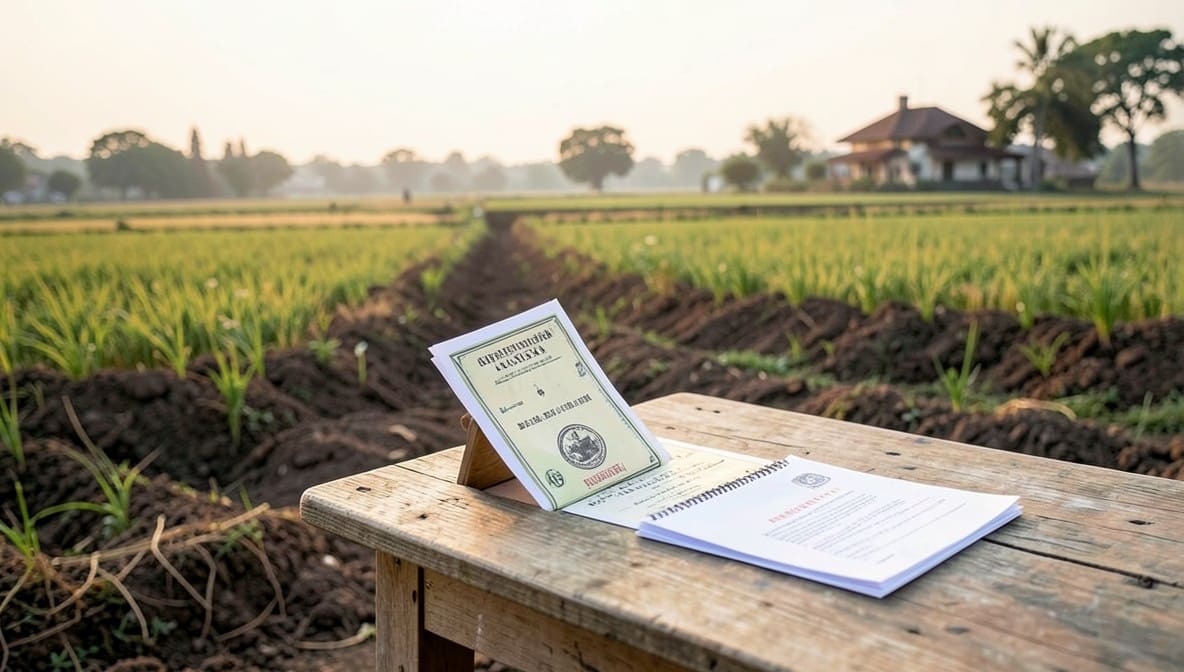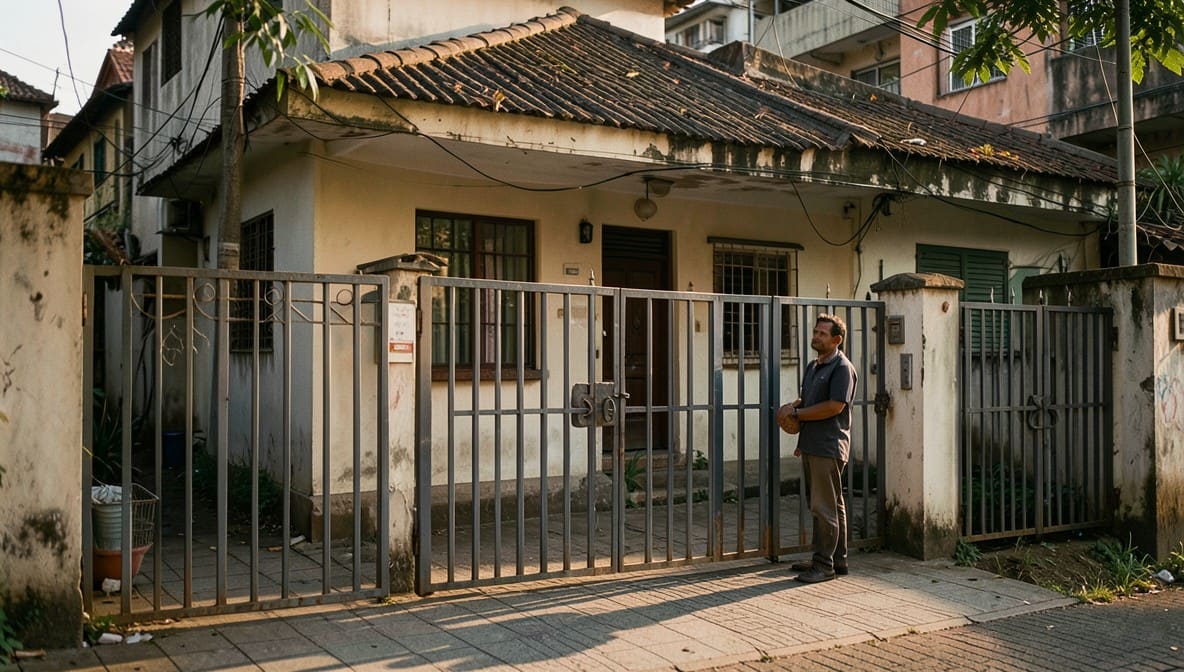
A caretaker’s physical occupation of property, even if prolonged and affectionate, does not confer any legal right to resist the owner’s demand for possession. The Bombay High Court has clarified that such possession cannot be shielded by interim injunction unless the occupant establishes a subsisting legal interest - such as lease, license, or title - beyond mere custodial occupancy.
Background & Facts
The Dispute
The dispute arose from the death of Sushilaben Madanlal Mistry on 10.02.2026, after which her relatives, the Defendants, sought to reclaim possession of a bungalow at 47, Kennedy Bridge, Opera House, Girgaum, Mumbai. The Plaintiff, Mrs. Kishabai Sachin Kadam, had been residing in the ground floor of the bungalow since March 2021 as a paid caretaker. She claimed rights under a Will dated 23.02.2024, bequeathing her 25% of Sushilaben’s 1/3rd share in the property, but had not applied for probate.
Key Facts
- The Plaintiff was appointed as a caretaker on 01.03.2021 at a monthly salary of Rs. 22,000 plus Rs. 3,000 for food and medicines.
- She resided in the bungalow with her two sons for 24-hour care of the elderly Sushilaben, who had no other family support.
- Sushilaben executed a Will on 23.02.2024 on a Rs. 100 stamp paper, notarized by two witnesses, bequeathing the Plaintiff 25% of her 1/3rd share in the bungalow, 25% of her Indian Bank SB account, and 25% of other estate assets.
- The Plaintiff did not file for probate of the Will.
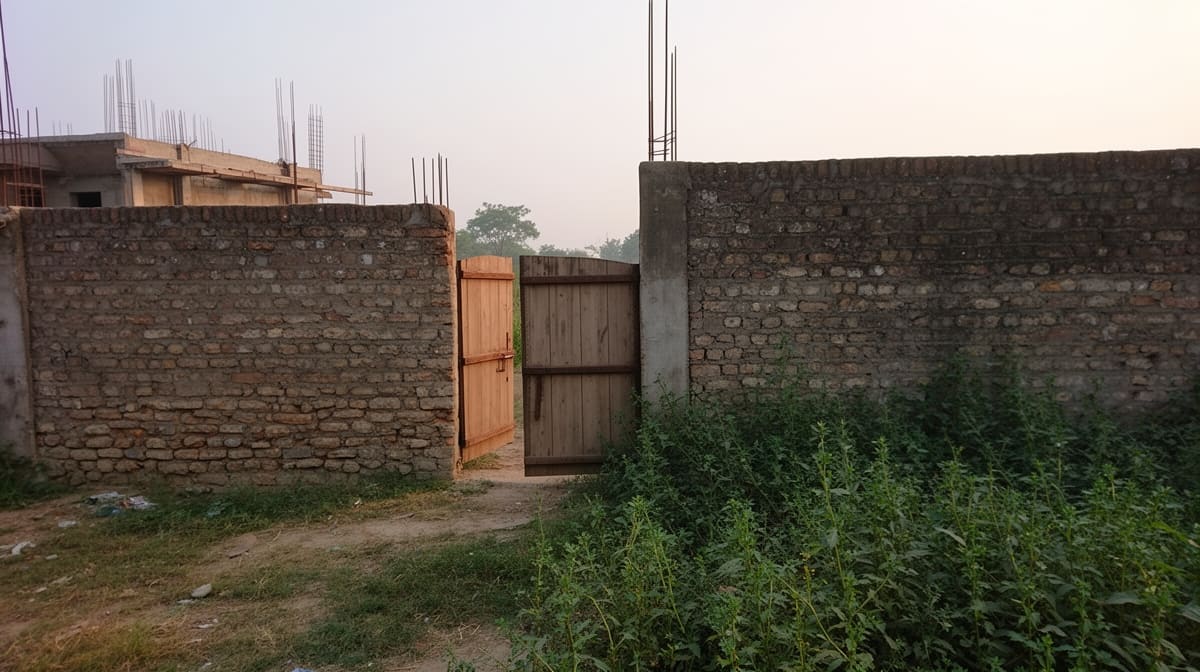
- On 29.03.2026, Defendant Nos. 2, 3, and 7 locked the first floor and rear gate of the bungalow and demanded the Plaintiff vacate.
- The Plaintiff filed Suit No. 1072 of 2026 seeking declaration of the Will’s validity and an injunction against dispossession.
Procedural History
- 01.03.2021: Plaintiff appointed as caretaker and moved into the bungalow.
- 23.02.2024: Sushilaben executed the Will.
- 10.02.2026: Death of Sushilaben Madanlal Mistry.
- 29.03.2026: Defendants locked the property and demanded possession.
- 05.04.2026: Plaintiff filed Notice of Motion No. 2473 of 2026 seeking interim injunction.
- 08.05.2026: Trial Court granted partial injunction, restraining Defendants from dispossessing Plaintiff otherwise than by due process of law.
- 25.06.2026: Bombay High Court heard appeal and set aside the interim order.
The Parties' Positions
Plaintiff (Respondent): Argued she was in settled physical possession since March 2021, and the Defendants’ lock placement constituted forcible dispossession. She claimed moral and emotional ties to Sushilaben, and sought protection of possession pending probate.
Defendants (Appellants): Contended the Plaintiff was a mere caretaker with no legal interest in the property. They asserted that possession must be surrendered on demand, and that the Trial Court erred in protecting possession without establishing title or lease.
Relief Sought
The Plaintiff sought an interim injunction restraining the Defendants from dispossessing her from the bungalow and directing the bank to release 25% of the deceased’s account balance. The Defendants sought vacation of the injunction and immediate handover of possession.
The Legal Issue
Can a caretaker, who has no lease, license, or title to the property, claim protection of possession through interim injunction on the ground of "settled possession," even after the death of the owner and upon demand for repossession?
Arguments Presented
For the Appellant
Counsel for the Defendants relied on Maria Margarida Sequeira Fernandes v. Erasmo Jack De Sequeira and Rame Gowda v. M. Varadappa Naidu to argue that a caretaker’s possession is always vicarious and never independent. He emphasized that possession by a servant or agent is legally deemed possession of the principal. Long-term stay, affection, or even emotional bonds do not create any proprietary right. He contended that the Trial Court’s characterization of caretaker possession as "settled possession" was legally untenable and contrary to binding precedents.
For the Respondent
Counsel for the Plaintiff argued that the Plaintiff had been in continuous, open, and exclusive physical possession since 2021, and that the Trial Court rightly protected her from forcible eviction. He submitted that the Will, though unprobated, demonstrated a moral claim and that the balance of convenience favored preserving status quo until probate proceedings concluded.
The Court's Analysis
The Court undertook a rigorous analysis of the nature of possession by a caretaker under Indian property law. It held that the Trial Court erred in equating physical occupancy with legal possession. The Court cited Maria Margarida Sequeira Fernandes to reaffirm that "a caretaker, watchman or servant can never acquire interest in the property irrespective of his long possession. The caretaker or servant has to give possession forthwith on demand."
"The possession of a servant or agent is that of his master or principal as the case may be for all purposes and the former cannot maintain a suit against the latter on the basis of such possession."
The Court further noted that the Plaintiff had not claimed any title, nor had she sought probate of the Will. The Trial Court itself had found that the Plaintiff had not established legal entitlement to the estate. Yet, it proceeded to protect her possession - a contradiction the High Court found legally unsustainable.
The Court also examined the concept of "due process of law" as interpreted in Maria Margarida Sequeira Fernandes. It held that due process is satisfied when a court adjudicates the rights of the parties, regardless of which party initiates the proceeding. Since the Plaintiff had approached the court seeking protection and failed to establish any legal right to possession, the Defendants were under no obligation to institute a separate suit to reclaim their property.
"The `due process' condition is satisfied the moment the rights of the parties are adjudicated upon by a court of competent jurisdiction. It does not matter who brought the action to court."
The Court concluded that the Plaintiff’s possession was never anything more than custodial, and that the Trial Court’s injunction was an impermissible extension of equitable relief beyond the bounds of law.
The Verdict
The appeal was allowed. The impugned order dated 08.05.2026 of the Bombay City Civil Court was quashed and set aside. The Plaintiff was directed to hand over possession of the entire suit bungalow to the Defendants within four weeks from the date of judgment. The interim application was disposed of as infructuous.
What This Means For Similar Cases
Caretaker Possession Is Not Legal Possession
- Practitioners must advise clients that long-term occupancy as a caretaker, even with emotional ties or familial-like relationships, creates no enforceable right to remain on property.
- Any claim to continued possession must be grounded in a written lease, license, or title - not moral claims or past service.
Injunctions Cannot Substitute Probate or Title Proceedings
- A plaintiff seeking to remain in property based on a Will must first pursue probate; interim injunctions cannot be granted on the basis of unprobated Wills.
- Civil courts lack jurisdiction to adjudicate the validity of Wills; such matters are exclusively before the Testamentary Court.
Due Process Is Satisfied by Adjudication, Not Initiation
-
If a party seeking protection fails to establish a prima facie case, the opposing party need not initiate a separate suit to reclaim possession.
-
Courts will not compel owners to litigate when the occupant’s claim has been judicially rejected.
-
Always verify whether possession is based on legal entitlement or mere custodial occupancy.
-
Do not seek injunctions for caretakers without a lease, license, or probate application pending.
-
Advise clients to initiate probate proceedings before filing civil suits involving Wills.